


As a trusted supplier of brake caliper pistons for Kia, I understand the importance of ensuring these critical components function flawlessly. Brake caliper pistons play a vital role in a vehicle's braking system, and any issues with them can compromise safety and performance. In this blog, I'll share some expert insights on how to troubleshoot problems with a brake caliper piston for Kia models.
Understanding the Brake Caliper Piston
Before delving into troubleshooting, it's essential to have a basic understanding of what a brake caliper piston does. When you press the brake pedal, hydraulic pressure is sent through the brake lines to the caliper. The caliper piston then moves, squeezing the brake pads against the brake rotor, which creates friction and slows down the vehicle. Any problem with the piston can lead to inefficient braking or even complete brake failure.
Common Problems with Brake Caliper Pistons
1. Piston Seizing
One of the most common issues is piston seizing. This occurs when the piston gets stuck in the caliper bore and cannot move freely. Seizing can be caused by corrosion, dirt, or lack of lubrication. When the piston seizes, it may not retract properly after you release the brake pedal, leading to the brake pads constantly rubbing against the rotor. This can cause excessive wear on the pads and rotor, as well as increased fuel consumption due to the extra drag.
2. Piston Leakage
Another problem is piston leakage. If the piston seals are damaged or worn out, brake fluid can leak from the caliper. You may notice a puddle of brake fluid under the vehicle or a soft brake pedal. Leaking brake fluid not only reduces the effectiveness of the braking system but can also be a safety hazard.
3. Uneven Wear
Uneven wear of the brake pads can also indicate a problem with the caliper piston. If one piston is not functioning correctly, it may not apply the same amount of pressure as the other pistons. This can result in one brake pad wearing out faster than the others, leading to uneven braking performance.
Troubleshooting Steps
Step 1: Visual Inspection
The first step in troubleshooting a brake caliper piston is to perform a visual inspection. Start by removing the wheel to access the caliper. Check for any signs of leakage, such as wet spots or a film of brake fluid on the caliper. Look for corrosion or damage to the piston and the caliper bore. If you notice any visible damage, the caliper may need to be replaced.
Step 2: Check for Seizing
To check if the piston is seized, try to push it back into the caliper bore using a C-clamp or a brake piston tool. If the piston does not move or is difficult to move, it may be seized. In some cases, you may be able to free the piston by applying a penetrating oil and gently tapping it with a rubber mallet. However, if the piston is severely seized, the caliper will likely need to be rebuilt or replaced.
Step 3: Inspect the Brake Pads
Examine the brake pads for uneven wear. If one pad is significantly more worn than the others, it could indicate a problem with the corresponding caliper piston. Measure the thickness of the brake pads using a caliper to ensure they are within the manufacturer's specifications. If the pads are worn beyond the recommended limit, they should be replaced.
Step 4: Test the Brake System
After performing the visual inspection and addressing any visible issues, it's time to test the brake system. Start the vehicle and pump the brake pedal a few times to build up pressure. Then, apply the brakes gently and feel for any pulsation, pulling to one side, or a soft pedal. If you notice any of these symptoms, there may still be a problem with the caliper piston or another component of the braking system.
Solutions to Common Problems
1. Piston Seizing
If the piston is seized but can be freed, you can try cleaning and lubricating it. Remove the piston from the caliper and clean it thoroughly with a brake cleaner. Inspect the piston seals for damage and replace them if necessary. Apply a thin layer of silicone brake grease to the piston and the caliper bore before reinstalling the piston.
2. Piston Leakage
If the piston is leaking, the seals will need to be replaced. You can purchase a seal kit specifically designed for your Kia model and follow the manufacturer's instructions to replace the seals. In some cases, if the caliper is severely damaged, it may be more cost-effective to replace the entire caliper.
3. Uneven Wear
To address uneven wear, you may need to replace the worn brake pads and ensure that the caliper piston is functioning correctly. If the problem persists, it's recommended to have the braking system inspected by a professional mechanic.
Recommended Products
As a supplier of brake caliper pistons for Kia, I offer a wide range of high-quality products to meet your needs. Here are some of our recommended products:
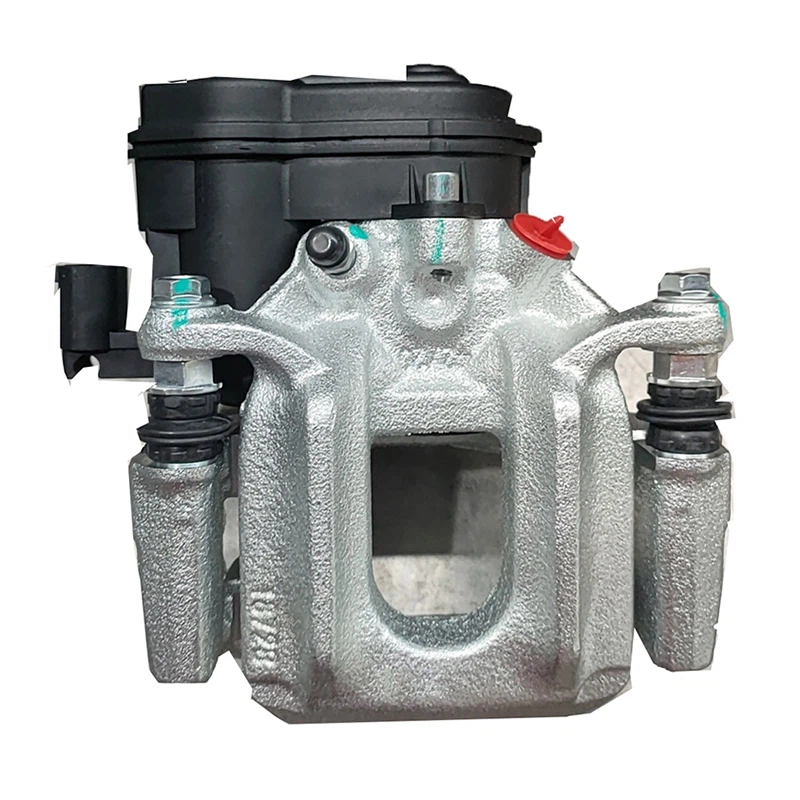
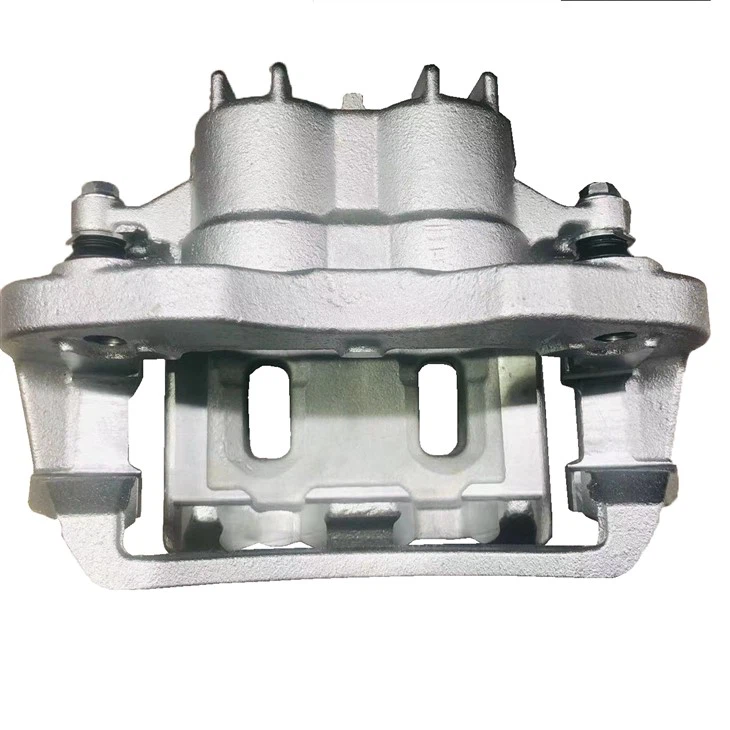
- 19-B6676 Car Spare Parts Brake Calipers: These brake calipers are designed to provide reliable performance and durability. They are a direct replacement for your Kia's original calipers and are easy to install.
- 19-B6788 / 19-B6789 Rear Brake Caliper With Bracket: Our rear brake calipers with brackets are engineered to meet or exceed OEM specifications. They are built to last and ensure smooth and efficient braking.
- Car Wheel Brake Caliper: This car wheel brake caliper is a high-quality replacement part that offers excellent braking performance. It is designed to fit perfectly on your Kia and provide long-lasting reliability.
Contact Us for Procurement
If you're experiencing problems with your Kia's brake caliper piston or are in need of high-quality replacement parts, don't hesitate to contact us. We have a team of experts ready to assist you with your procurement needs. Whether you're a mechanic, a car enthusiast, or a fleet manager, we can provide you with the right products at competitive prices.
References
- "Automotive Brake Systems" by James D. Halderman
- "Brake Handbook" by Hayes Brake
- Kia vehicle owner's manuals


