


When it comes to the braking system of a vehicle, the brake calipers play a crucial role in ensuring safety and efficient stopping power. Brake calipers are a vital component that clamps down on the brake pads, which in turn press against the brake rotors to slow down or stop the vehicle. There are two main types of brake calipers in a vehicle: front brake caliper sets and rear brake caliper sets. In this blog, I'll delve into the differences between these two types of caliper sets and also highlight why our rear brake caliper sets are a great choice for your customers.
Design and Function
One of the primary differences between front and rear brake caliper sets lies in their design and function. The front brakes are responsible for the majority of the braking force in a vehicle. When you apply the brakes, the weight of the vehicle shifts forward, increasing the load on the front wheels. As a result, the front brake calipers are typically larger and more powerful than the rear ones. They need to handle a greater amount of heat and force during the braking process.
The front brake calipers are designed to provide quick and strong stopping power. They often have multiple pistons to generate high clamping force on the brake pads. For example, Front Brake Calipers18 - B4646, 18 - B4647 are engineered for optimal performance in the front of the vehicle. These calipers are built with precision to ensure that they can handle the intense demands of front - wheel braking and provide a reliable and responsive braking experience.
On the other hand, the rear brake calipers have a more supplementary role. They contribute to the overall braking force but to a lesser extent compared to the front brakes. The rear brakes help with stability during braking, preventing the vehicle from swaying or fishtailing. Since they handle less force and heat, rear brake calipers are generally smaller and lighter. They are designed to provide a more balanced braking performance in conjunction with the front brakes.
Location and Installation
The location of the front and rear brake calipers is, as the names suggest, different. The front brake calipers are installed on the front wheels of the vehicle, while the rear brake calipers are placed on the rear wheels. This difference in location also affects the way they are installed.
Installing front brake calipers can be a bit more complex due to their larger size and the need to align them precisely with the front brake rotors. The front suspension components and steering linkages can sometimes make access to the front calipers more challenging. However, proper installation of front brake calipers is crucial for the safety and performance of the vehicle. For instance, the Front Brake Calipers 18 - B5032C, 18 - B5033C are designed to fit specific front - wheel setups, and correct installation is necessary to ensure that they function as intended.
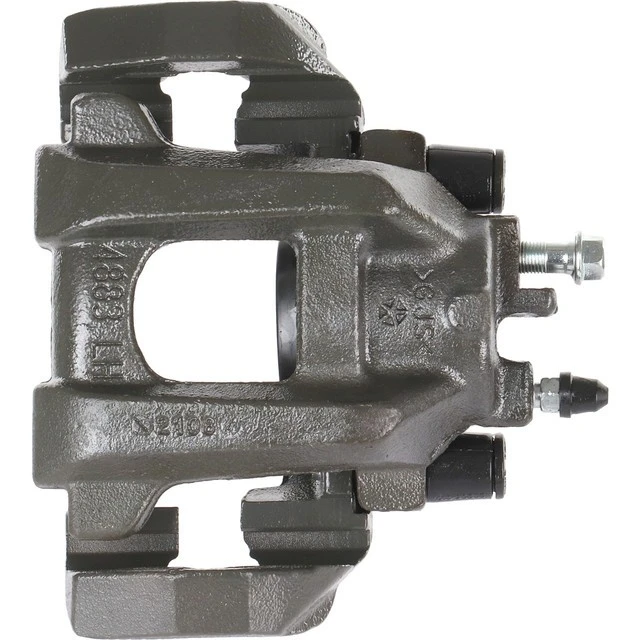
Rear brake calipers, on the other hand, are usually easier to access and install. The rear wheel area generally has more space and fewer interfering components. This makes the replacement or maintenance of rear brake calipers a relatively straightforward task for many mechanics or even some DIY enthusiasts. However, it's still important to follow the manufacturer's instructions carefully to ensure proper installation and operation.

Braking Force Distribution
Another significant difference between front and rear brake caliper sets is the distribution of braking force. As mentioned earlier, the front brakes typically handle about 70 - 80% of the total braking force. This is because of the weight transfer that occurs during braking, which puts more load on the front wheels. The front brake calipers are designed to generate a large amount of clamping force to slow down the front wheels effectively.
The rear brake calipers contribute the remaining 20 - 30% of the braking force. Their role is mainly to provide additional stopping power and to help maintain the stability of the vehicle. If the rear brakes were to generate too much force relative to the front brakes, it could lead to the rear wheels locking up, causing the vehicle to skid or lose control. Therefore, the design and performance of rear brake calipers are carefully calibrated to work in harmony with the front brakes.
Heat Dissipation
Heat dissipation is an important factor in the performance and longevity of brake calipers. The front brake calipers generate a significant amount of heat during braking due to the large amount of force they need to apply. To handle this heat, front brake calipers are often equipped with better heat - dissipation features such as larger caliper bodies, finned designs, or ventilation channels. These features help to dissipate the heat quickly and prevent the brake fluid from boiling, which could lead to a loss of braking performance.
The rear brake calipers, since they generate less heat, do not require as extensive heat - dissipation measures. However, they still need to be able to handle the heat generated during normal braking operations. Our rear brake caliper sets are designed with efficient heat - management in mind. They are constructed from high - quality materials that can withstand the heat generated during braking and ensure reliable performance over time.
Wear and Tear
The front brake calipers tend to experience more wear and tear compared to the rear ones. This is because they are subjected to higher forces and temperatures during braking. The brake pads and the pistons inside the front calipers are more likely to wear out faster. As a result, front brake calipers may need to be replaced more frequently than rear brake calipers.
Rear brake calipers, with their lighter workload, generally have a longer lifespan. However, they still require regular inspection and maintenance to ensure that they are functioning properly. If a rear brake caliper fails, it can affect the overall braking performance of the vehicle and compromise safety.
Why Choose Our Rear Brake Caliper Sets?
As a rear brake caliper set supplier, we take pride in offering high - quality products that meet the needs of our customers. Our rear brake caliper sets are designed and manufactured to the highest standards. We use only the best materials to ensure durability and reliability.
Our calipers are engineered to provide a perfect fit for a wide range of vehicle models. Whether it's a compact car, a sedan, or an SUV, we have the right rear brake caliper set for you. For example, our 18 - B5300 Hanging Car Brake Caliper is designed to provide excellent performance and reliability in various vehicle applications.
We understand the importance of safety when it comes to braking systems. That's why our rear brake caliper sets are rigorously tested to ensure that they meet or exceed all relevant safety standards. We also offer competitive pricing and excellent customer service to make your purchasing experience as smooth as possible.
If you're in the market for rear brake caliper sets, we invite you to get in touch with us to discuss your needs. Whether you're an auto repair shop, a parts distributor, or an individual looking to upgrade your vehicle's braking system, we have the products and expertise to assist you. Our team of professionals is ready to answer any questions you may have and help you find the perfect rear brake caliper set for your requirements. Contact us today to start a conversation about your brake caliper needs and take the first step towards ensuring the safety and performance of your vehicles.
References
- Bosch Automotive Handbook, 8th Edition.
- Chilton's Automotive Repair Manuals.


