


As a supplier of big brake calipers, I've encountered numerous inquiries from customers about the bleeding process of these high - performance components. The question of whether big brake calipers need to be bled differently is a crucial one, and in this blog, I'll delve into the topic to provide you with a comprehensive understanding.
Understanding Brake Caliper Bleeding
Before we discuss the differences in bleeding big brake calipers, let's first understand the basic concept of brake caliper bleeding. Brake fluid is a vital part of your vehicle's braking system. Over time, air can enter the brake lines, which can lead to a spongy brake pedal and reduced braking performance. Bleeding the brake calipers is the process of removing this air from the system and replacing it with fresh brake fluid.
The standard bleeding procedure usually involves the following steps:
- Preparation: Gather the necessary tools, including a wrench, a clear plastic tube, a container to collect the old brake fluid, and fresh brake fluid. Make sure the vehicle is parked on a level surface and the parking brake is engaged.
- Locating the Bleeder Screw: Each brake caliper has a bleeder screw. This is usually a small, hexagonal bolt located on the back or top of the caliper.
- Bleeding the Caliper: Attach one end of the clear plastic tube to the bleeder screw and place the other end into the container. Have an assistant press the brake pedal slowly and hold it down. Then, open the bleeder screw slightly. The air and old brake fluid will flow out through the tube. Close the screw before the assistant releases the brake pedal. Repeat this process until no more air bubbles are present in the fluid.
Do Big Brake Calipers Require a Different Bleeding Process?
The short answer is that big brake calipers generally follow the same basic bleeding principles as standard calipers, but there are some factors to consider that might make the process a bit different.
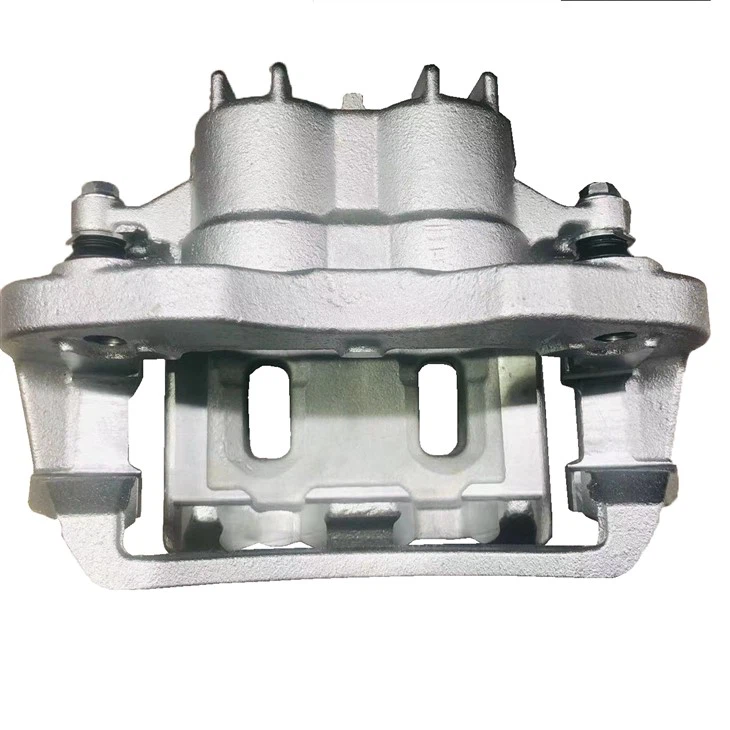

Fluid Volume
Big brake calipers typically have a larger volume of brake fluid compared to standard calipers. This means that more fluid needs to be bled to ensure that all the air is removed from the system. You may need to refill the master cylinder more frequently during the bleeding process to prevent air from being drawn back into the system.
For example, if you're working on a standard caliper, you might only need to bleed a few ounces of fluid to remove the air. However, with a big brake caliper, you could be looking at bleeding several times that amount. This increased fluid volume can also make the bleeding process take longer.
Design Complexity
Big brake calipers often have more complex designs. They may have multiple pistons or a more intricate internal structure. This can create additional pockets where air can become trapped. As a result, you may need to be more thorough when bleeding these calipers.
In some cases, you might need to use a more advanced bleeding technique, such as pressure bleeding or vacuum bleeding. Pressure bleeding involves using a pressure bleeder to force the fluid through the system, which can help dislodge air bubbles that are stuck in hard - to - reach places. Vacuum bleeding, on the other hand, uses a vacuum pump to draw the fluid and air out of the system.
Brake Line Length
Big brake calipers are often used in high - performance vehicles where the brake lines may be longer. Longer brake lines mean that air has more distance to travel to be removed from the system. This can make the bleeding process more challenging and time - consuming.
You may need to take extra care to ensure that all the air is removed from the entire length of the brake line. One way to do this is to start bleeding the caliper closest to the master cylinder and work your way out to the farthest caliper.
Our Big Brake Caliper Offerings
At our company, we offer a wide range of big brake calipers to meet the needs of different customers. For instance, our 19 - B6268 Right Front Caliper is designed to provide excellent braking performance. It is made from high - quality materials and is built to last.
Another popular product is our High Quality Brake Caliper For Audi Q3 19 - B6156. This caliper is specifically designed for the Audi Q3, ensuring a perfect fit and optimal performance.
We also have a variety of Car Wheel Brake Caliper options that are suitable for different makes and models of cars. These calipers are engineered to deliver reliable braking power and are easy to install.
Tips for Bleeding Big Brake Calipers
If you're planning to bleed your big brake calipers, here are some tips to make the process easier and more effective:
- Use the Right Tools: Make sure you have the appropriate tools for the job. A high - quality wrench, a clear plastic tube, and a pressure bleeder or vacuum pump can make the bleeding process much smoother.
- Follow the Manufacturer's Instructions: Always refer to the manufacturer's instructions for your specific brake calipers. They may have specific recommendations or procedures for bleeding the calipers.
- Be Patient: Bleeding big brake calipers can take time, especially if you're dealing with a complex system. Don't rush the process, and make sure you remove all the air from the system.
- Check for Leaks: After bleeding the calipers, check for any signs of leaks. If you notice any fluid leaking from the caliper or the brake lines, address the issue immediately.
Conclusion
In conclusion, while big brake calipers follow the same basic principles of bleeding as standard calipers, there are some differences due to factors such as fluid volume, design complexity, and brake line length. By understanding these differences and following the right procedures, you can ensure that your big brake calipers are properly bled and functioning at their best.
If you're in the market for high - quality big brake calipers, we're here to help. Our team of experts can provide you with the information and support you need to choose the right calipers for your vehicle. Whether you're a professional mechanic or a DIY enthusiast, we have the products and knowledge to meet your needs. Contact us today to start a conversation about your brake caliper requirements and let's discuss how we can work together to enhance your vehicle's braking performance.
References
- Haynes Repair Manuals
- Chilton's Automotive Repair Manuals
- Brake Manufacturer's Technical Documents


