


In the realm of automotive engineering, the choice between aluminum and steel rear brake caliper sets is a topic that often sparks debate among enthusiasts and professionals alike. As a supplier of rear brake caliper sets, I've witnessed firsthand the various perspectives and preferences that customers hold when it comes to this crucial component of a vehicle's braking system. In this blog post, I'll delve into the key differences between aluminum and steel rear brake caliper sets, exploring their respective advantages and disadvantages to help you make an informed decision.
Material Properties: Aluminum vs. Steel
To understand the performance characteristics of aluminum and steel rear brake caliper sets, it's essential to first examine the fundamental properties of these materials.
Aluminum
Aluminum is a lightweight metal known for its excellent strength - to - weight ratio. It has a relatively low density, which means that brake calipers made from aluminum are significantly lighter than their steel counterparts. This lightweight nature offers several benefits in automotive applications. For one, it reduces the unsprung weight of the vehicle. Unsprung weight refers to the mass of components not supported by the vehicle's suspension, such as wheels, tires, and brake calipers. A reduction in unsprung weight can improve the vehicle's handling, responsiveness, and fuel efficiency.
Aluminum also has good corrosion resistance. It forms a thin oxide layer on its surface when exposed to air, which protects it from further oxidation and corrosion. This makes aluminum brake calipers suitable for use in a variety of environments, including those with high humidity or where road salt is used during winter.
Steel
Steel is a strong and durable material with a high density. It offers excellent structural integrity, which is crucial for withstanding the high forces generated during braking. Steel brake calipers are less likely to deform under heavy braking conditions, ensuring consistent and reliable performance.
Steel also has good heat - dissipation properties. During braking, a significant amount of heat is generated, and the ability of the brake caliper to dissipate this heat is vital to prevent brake fade. Brake fade occurs when the braking performance deteriorates due to excessive heat buildup, leading to longer stopping distances and reduced safety.
Performance Considerations
Weight and Handling
As mentioned earlier, the lightweight nature of aluminum brake calipers can have a positive impact on a vehicle's handling. A reduction in unsprung weight allows the suspension to work more effectively, as it has less mass to control. This results in improved traction, better cornering ability, and a more responsive steering feel. For high - performance vehicles or those used in motorsports, where every ounce counts, aluminum brake calipers can provide a competitive edge.
On the other hand, steel brake calipers' heavier weight may not be as favorable in terms of handling. However, in some cases, the added weight can provide a more stable and planted feel, especially in larger or heavier vehicles.
Braking Performance
When it comes to braking performance, both materials have their merits. Steel's high strength and resistance to deformation ensure that the brake caliper can apply consistent pressure to the brake pads, resulting in reliable and predictable braking. This is particularly important in heavy - duty applications or when braking at high speeds.
Aluminum brake calipers, while lighter, can still offer excellent braking performance. However, their lower mass may require more precise engineering to ensure that they can handle the same braking forces as steel calipers. In some cases, aluminum calipers may be designed with larger pistons or more advanced brake pad materials to compensate for their lower inherent strength.
Heat Dissipation
Heat management is a critical aspect of brake performance. Steel's good heat - dissipation properties make it well - suited for applications where high - energy braking is common. The ability to quickly dissipate heat helps prevent brake fade and ensures that the brakes maintain their effectiveness over multiple stops.
Aluminum also has some heat - dissipation capabilities, but it may not be as efficient as steel in extreme conditions. To address this, some aluminum brake calipers are designed with cooling fins or other heat - management features to enhance their heat - dissipation performance.
Cost and Durability
Cost
Aluminum is generally more expensive than steel. The production process for aluminum brake calipers often involves more complex manufacturing techniques, such as precision machining and casting, which contribute to the higher cost. Additionally, the raw material cost of aluminum is relatively high compared to steel.
Steel brake calipers, on the other hand, are more cost - effective. They can be produced using simpler manufacturing methods, and the abundance of steel as a raw material keeps the cost down. This makes steel brake calipers a popular choice for budget - conscious consumers and for use in mass - produced vehicles.
Durability
Both aluminum and steel brake calipers can be durable if properly designed and maintained. Aluminum's corrosion resistance gives it an advantage in terms of long - term durability, especially in harsh environments. However, aluminum is softer than steel and may be more prone to scratches and damage.
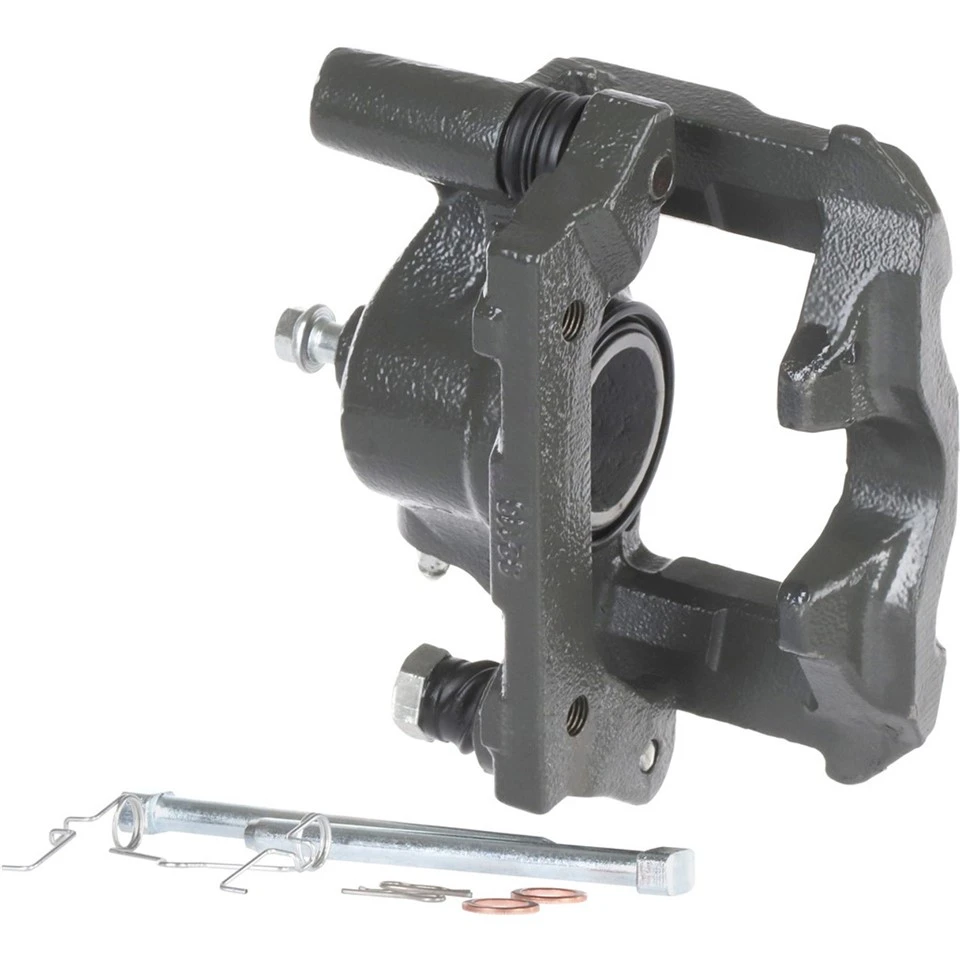

Steel brake calipers are more resistant to physical damage but are more susceptible to corrosion if not properly protected. A well - coated steel brake caliper can provide many years of reliable service, but regular maintenance and inspection are necessary to prevent rust and corrosion.
Our Product Offerings
As a rear brake caliper set supplier, we offer a wide range of options to meet the diverse needs of our customers. Our Car Accessories Brake Caliper 18 - B4890 is a high - quality aluminum brake caliper set that combines lightweight design with excellent performance. It is suitable for a variety of vehicles and is engineered to provide reliable braking in both normal and high - performance driving conditions.
For Lexus IS250 owners, our Premium Brake Calipers For Lexus IS250 are designed to fit perfectly and offer enhanced braking performance. These calipers are available in both aluminum and steel options, allowing customers to choose based on their specific preferences and requirements.
If you're looking for a rear electric brake caliper for your Volvo, our Rear Electric Break Caliper For Volvo 19 - B3520NM is a great choice. It is built to the highest standards and provides precise and efficient braking.
Conclusion
In conclusion, whether aluminum rear brake caliper sets are better than steel ones depends on several factors, including the specific application, performance requirements, budget, and personal preferences. Aluminum offers the benefits of lightweight design, corrosion resistance, and potentially improved handling, while steel provides strength, durability, and excellent heat - dissipation properties.
As a supplier, we understand that each customer has unique needs, and we are committed to providing the best solutions. Whether you're a performance enthusiast looking for the ultimate in lightweight braking or a budget - conscious consumer in need of a reliable and cost - effective option, we have the right rear brake caliper set for you.
If you're interested in learning more about our rear brake caliper sets or have any questions about the choice between aluminum and steel, please don't hesitate to contact us. We're here to assist you in making the best decision for your vehicle. Let's start a conversation about your braking needs and find the perfect solution together.
References
- Automotive Braking Systems: Principles and Design by Tom Denton
- Fundamentals of Vehicle Dynamics by Thomas D. Gillespie


