


A malfunctioning brake caliper in a car can have severe safety implications that every driver should be aware of. As a leading supplier of brake calipers for cars, I've seen firsthand the critical role these components play in vehicle safety. In this blog, I'll delve into the safety issues associated with malfunctioning brake calipers, the signs to look out for, and how our high - quality products can help prevent such problems.
How Brake Calipers Work
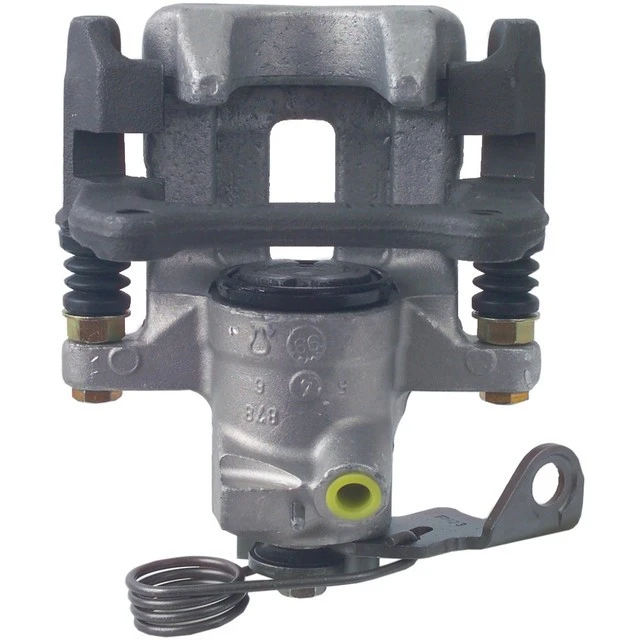
Before we discuss the safety implications of a malfunctioning brake caliper, it's essential to understand how they work. A brake caliper is a crucial part of a car's disc brake system. When you press the brake pedal, hydraulic pressure is sent to the brake caliper. Inside the caliper, pistons are forced out, which then squeeze the brake pads against the brake rotor. This friction between the pads and the rotor slows down and eventually stops the vehicle.
Safety Implications of a Malfunctioning Brake Caliper
Reduced Braking Performance
One of the most immediate safety concerns of a malfunctioning brake caliper is reduced braking performance. If a caliper fails to apply the proper pressure on the brake pads, the friction between the pads and the rotor will be insufficient. This means that the car will take longer to stop, especially at high speeds or in emergency situations. For example, if you're driving on a highway and need to make a sudden stop, a malfunctioning caliper could cause your stopping distance to increase significantly, increasing the risk of a collision.

Uneven Braking
A malfunctioning caliper can also lead to uneven braking. If one caliper is not functioning correctly while the others are working properly, the car will pull to one side when you apply the brakes. This can be extremely dangerous, especially when driving at high speeds or in adverse weather conditions. For instance, if you're driving in the rain and the car pulls to one side during braking, it can be difficult to maintain control, increasing the likelihood of skidding or losing control of the vehicle.
Overheating of Brake Components
Another safety issue related to a malfunctioning caliper is overheating of the brake components. When a caliper is stuck or not releasing properly, the brake pads will continue to rub against the rotor even when you're not pressing the brake pedal. This constant friction generates a large amount of heat, which can cause the brake pads to wear out prematurely, damage the brake rotor, and even lead to brake fluid boiling. Boiling brake fluid can result in a loss of hydraulic pressure, further reducing braking performance and putting you at risk.
Brake Failure
In severe cases, a malfunctioning brake caliper can lead to complete brake failure. If the caliper's pistons seize or the caliper leaks hydraulic fluid, the brakes may not work at all. Imagine being on a busy road or going down a steep hill and suddenly having no brakes. This is a life - threatening situation that can result in serious accidents and injuries.
Signs of a Malfunctioning Brake Caliper
Squealing or Grinding Noises
One of the most common signs of a malfunctioning caliper is squealing or grinding noises when you apply the brakes. This can be due to worn - out brake pads, which may be a result of the caliper not applying the pressure evenly. The uneven pressure can cause the pads to wear unevenly, leading to these noises.
Pulling to One Side
As mentioned earlier, if your car pulls to one side when you brake, it's a clear indication that there may be a problem with one of the calipers. This could be due to a stuck piston or a caliper that is not releasing properly.
Burning Smell
A burning smell coming from the wheels, especially after driving or braking, can be a sign of a caliper problem. The overheating caused by a malfunctioning caliper can produce a distinct burning odor, which is a warning sign that something is wrong with the braking system.
Soft or Spongy Brake Pedal
If you notice that your brake pedal feels soft or spongy when you press it, it could be related to a caliper issue. This may be due to a hydraulic leak in the caliper, which reduces the pressure in the brake system.
Our Brake Caliper Products
At our company, we understand the importance of reliable and high - quality brake calipers for vehicle safety. We offer a wide range of brake calipers that are designed to meet the highest standards of performance and durability.
For example, we have the Front Left & Front Right Brake Calipers with Brackets - Fit for Lexus RX350 2015 - 10, Toyota Highlander 2019 - 10, Sienna 2020 - 11 (Cardone: 19 - B6274, 19 - B6275). These calipers are specifically engineered to fit these popular vehicle models, ensuring a perfect match and optimal braking performance.
We also have the Volkswagen Right Front Brake Caliper 19 - B6157, which is designed for Volkswagen vehicles. Our calipers are made from high - quality materials and undergo rigorous testing to ensure they can withstand the demands of daily driving and emergency braking situations.
In addition, our 19 - B2108 Auto Parts Car Brake Caliper is a versatile option that can be used in a variety of car models. It offers excellent braking performance and reliability, helping to keep you and your passengers safe on the road.
Conclusion
A malfunctioning brake caliper is a serious safety concern that should not be ignored. The reduced braking performance, uneven braking, overheating, and potential for brake failure can all put you and others at risk. By being aware of the signs of a malfunctioning caliper and investing in high - quality brake calipers from a trusted supplier, you can ensure the safety and reliability of your vehicle's braking system.
If you're interested in purchasing our brake calipers or have any questions about our products, we encourage you to reach out to us for a procurement discussion. Our team of experts is ready to assist you in finding the right brake calipers for your vehicle.
References
- Bosch Automotive Handbook, 7th Edition
- Chilton's Auto Repair Manuals
- Society of Automotive Engineers (SAE) Technical Papers


