


Inspecting the brake caliper bracket for damage is a crucial part of vehicle maintenance, especially for those in the automotive industry like us, a supplier of brakes, rotors, and calipers. A damaged brake caliper bracket can compromise the safety and performance of a vehicle's braking system. In this blog, I'll share some detailed steps on how to inspect the brake caliper bracket for damage.
Step 1: Prepare the Necessary Tools and Safety Equipment
Before starting the inspection, gather all the tools you'll need. This typically includes a jack, jack stands, a socket set, a torque wrench, a flashlight, and a wire brush. Safety should always be your top priority, so make sure to wear safety glasses, gloves, and appropriate clothing. Park the vehicle on a flat, stable surface and engage the parking brake.
Step 2: Lift the Vehicle
Use the jack to lift the vehicle on the side where you'll be inspecting the brake caliper bracket. Place the jack stands under the vehicle's designated lift points and lower the vehicle onto the stands. Make sure the vehicle is stable and secure before proceeding.
Step 3: Remove the Wheel
Using the socket set, remove the lug nuts from the wheel and carefully take the wheel off. This will give you clear access to the brake caliper and its bracket.
Step 4: Visually Inspect the Brake Caliper Bracket
Once the wheel is removed, take a close look at the brake caliper bracket. Shine the flashlight on the bracket to illuminate all areas. Look for any signs of physical damage such as cracks, dents, or deformation. Cracks are particularly concerning as they can weaken the bracket and lead to failure. Check the mounting points of the bracket to the vehicle's suspension or steering knuckle. Look for any signs of wear, corrosion, or loose bolts. If the bolts are loose, they can cause the bracket to move, which can affect the alignment and performance of the brake caliper.
Step 5: Check for Rust and Corrosion
Rust and corrosion can also cause damage to the brake caliper bracket over time. Use the wire brush to gently clean the surface of the bracket and remove any loose rust or debris. Pay close attention to areas where moisture can accumulate, such as around the mounting holes and edges of the bracket. If you notice significant rust or corrosion, it may be necessary to replace the bracket to ensure the safety and reliability of the braking system.
Step 6: Inspect the Caliper Mounting Surface
The caliper mounting surface on the bracket should be flat and smooth. Any irregularities or damage to this surface can prevent the caliper from mounting properly, leading to uneven braking and potential safety issues. Use a straightedge or feeler gauge to check the flatness of the mounting surface. If you find any deviations, the bracket may need to be machined or replaced.
Step 7: Check the Caliper Pins and Boots
The caliper pins and boots play an important role in the operation of the brake caliper. Inspect the pins for any signs of wear, damage, or corrosion. The boots should be intact and free of tears or cracks. If the pins or boots are damaged, they should be replaced to ensure proper caliper movement and prevent brake drag.
Step 8: Reinstall the Wheel and Lower the Vehicle
Once you've completed the inspection and made any necessary repairs or replacements, reinstall the wheel and tighten the lug nuts to the manufacturer's recommended torque specification using the torque wrench. Carefully lower the vehicle off the jack stands using the jack.
Step 9: Test the Brakes
After the inspection and repair, it's important to test the brakes to ensure they are functioning properly. Take the vehicle for a short test drive in a safe area and apply the brakes gently at various speeds. Pay attention to any unusual noises, vibrations, or pulling to one side. If you notice any problems, stop the vehicle immediately and have the brakes inspected again.
As a supplier of brakes, rotors, and calipers, we offer a wide range of high - quality products to meet your automotive needs. For example, we have the Front Disc Brake Caliper For Benz 18 - B5088, which is designed to provide reliable braking performance for Benz vehicles. Our Car Auto Brake Caliper 18 - B5404 is a great option for general car applications, and the Car Accessories Brake Caliper For Ford 18 - B5110 is specifically tailored for Ford vehicles.

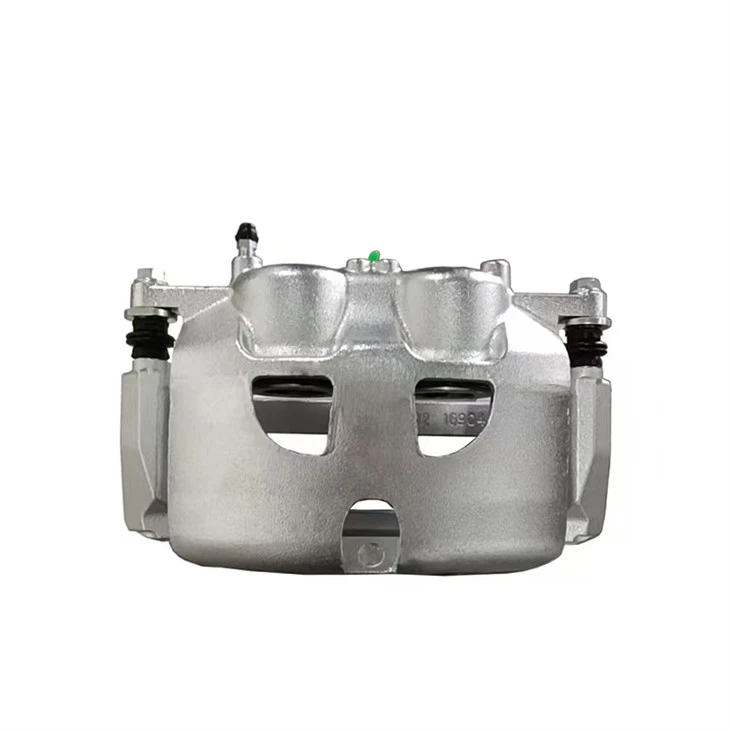
If you're in the market for brake calipers, rotors, or other related products, we encourage you to contact us for a purchase negotiation. Our team of experts is ready to assist you in finding the right products for your specific requirements.
References
- Haynes Automotive Repair Manuals
- Chilton's Automotive Repair Manuals
- Automotive Brake System Design and Analysis textbooks


