


Hey there, folks! As a supplier of brake caliper clips pads, I've been getting a bunch of questions lately about the proper break-in procedure for these crucial components. So, I thought I'd sit down and write this blog to share some insights and tips with you all.
First off, let's talk about why a proper break-in procedure is so important. When you install new brake caliper clips pads, they need to be properly "seated" on the brake rotors. This process helps to create an even friction surface between the pads and the rotors, which in turn improves braking performance and extends the lifespan of both the pads and the rotors. If you don't break in your new brake pads correctly, you might experience issues like uneven braking, noise, and reduced stopping power.
So, what's the proper break-in procedure? Well, it's actually pretty straightforward, but it does require a bit of patience. Here's a step-by-step guide:
Step 1: Initial Driving
After you've installed your new brake caliper clips pads, take your vehicle for a short drive around the block. Keep your speed below 30 mph and avoid any hard braking. This initial drive helps to ensure that the pads are properly aligned and seated in the calipers.
Step 2: Moderate Braking
Once you've completed the initial drive, it's time to start the actual break-in process. Find a quiet road with little traffic and drive at a moderate speed, around 30 - 40 mph. Every now and then, apply the brakes gently to slow down your vehicle. Don't come to a complete stop; just slow down to about 10 - 15 mph and then accelerate again. Repeat this process about 10 - 15 times.
Step 3: Hard Braking
After you've completed the moderate braking phase, it's time to do some hard braking. Find a safe area, like an empty parking lot, and drive at a speed of about 40 - 50 mph. Then, apply the brakes firmly but smoothly until you come to a complete stop. Do this about 5 - 7 times, but make sure to give your brakes a chance to cool down between each hard stop.
Step 4: Cool Down
After you've completed the hard braking phase, it's important to let your brakes cool down. Drive at a slow speed for about 5 - 10 minutes without applying the brakes. This will help to prevent the brakes from overheating and causing damage to the pads and rotors.
Step 5: Normal Driving
Once your brakes have cooled down, you can start driving normally. However, it's still a good idea to avoid any extreme braking for the first few hundred miles. This will give the pads and rotors time to fully break in and develop a good friction surface.
Now, I know what you're thinking: "That sounds like a lot of work. Can't I just drive normally and let the brakes break in on their own?" Well, you could, but following a proper break-in procedure will definitely give you better results. It will help to ensure that your brakes perform at their best and last as long as possible.
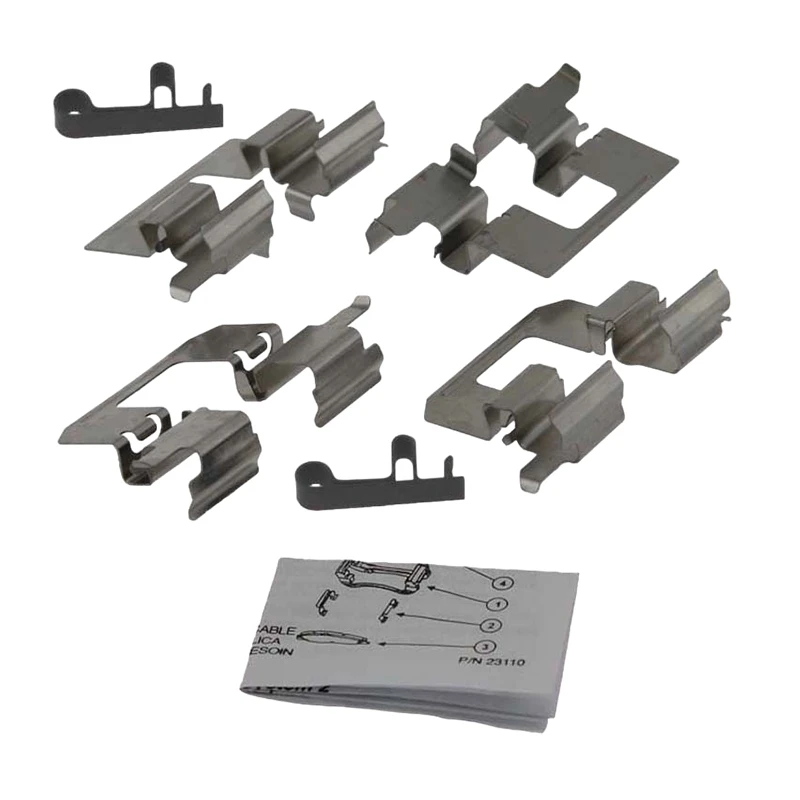
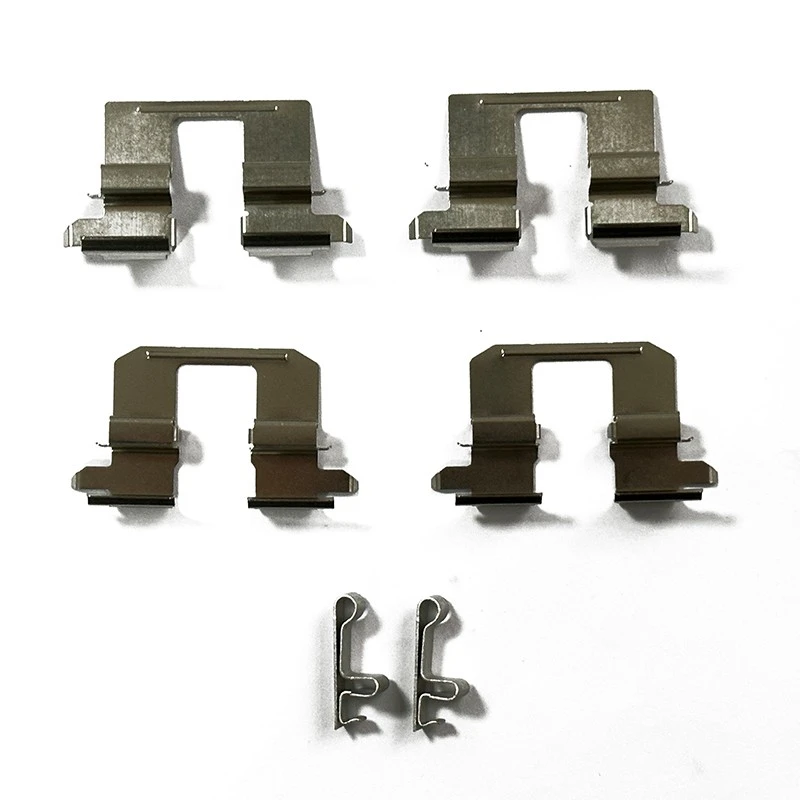
As a brake caliper clips pads supplier, I want to make sure that you're getting the most out of your purchase. That's why I offer a wide range of high-quality products, including Automatic Brake Pads For BENZ, Brake Pad Repair Kit Model D1325 For Toyota Models, and Brake Spring Clip Repair Kit. These products are designed to meet the highest standards of quality and performance, and they come with a warranty to give you peace of mind.
If you're in the market for new brake caliper clips pads or any other brake-related products, I encourage you to get in touch with me. I'd be happy to answer any questions you might have and help you find the right products for your needs. Whether you're a professional mechanic or a DIY enthusiast, I've got you covered.
In conclusion, a proper break-in procedure is essential for getting the most out of your new brake caliper clips pads. By following the steps outlined in this blog, you can ensure that your brakes perform at their best and last as long as possible. And if you need any help or have any questions, don't hesitate to reach out. I'm here to help you keep your vehicle safe and running smoothly.
References
- Brake System Basics, Brake Manufacturers Council
- How to Break In New Brake Pads, Car and Driver Magazine


