


A new brake caliper piston is a crucial component in your Kia's braking system, and a proper break - in procedure is essential to ensure its optimal performance and longevity. As a trusted supplier of brake caliper pistons for Kia, I've witnessed firsthand the importance of this process. In this blog, I'll share detailed insights into the proper break - in procedure for a new brake caliper piston for Kia vehicles.
Understanding the Brake Caliper Piston
Before delving into the break - in procedure, it's important to understand what a brake caliper piston does. The brake caliper piston is responsible for applying pressure to the brake pads, which in turn clamp down on the brake rotor to slow or stop the vehicle. When you press the brake pedal, hydraulic fluid is forced into the caliper, causing the piston to move and engage the brakes.
A new brake caliper piston may have a smooth surface finish straight from the factory. During the break - in period, the piston needs to develop a proper contact pattern with the brake pads and adapt to the specific conditions of your Kia's braking system.
Pre - Break - In Inspection
Before starting the break - in process, it's crucial to perform a thorough pre - break - in inspection. This inspection helps to identify any potential issues that could affect the break - in or the overall performance of the braking system.
First, visually inspect the new brake caliper piston. Look for any signs of damage, such as scratches, dents, or deformities. Check the seals around the piston to ensure they are intact and properly seated. A damaged seal can lead to hydraulic fluid leaks, which can compromise the braking performance.
Next, inspect the brake pads and rotors. The brake pads should be in good condition, with no excessive wear or unevenness. The rotors should be smooth and free of any grooves or warping. If the brake pads or rotors are worn beyond the recommended limits, it's advisable to replace them before proceeding with the break - in.
The Break - In Procedure
The break - in procedure for a new brake caliper piston typically consists of a series of gentle stops and controlled driving. This process allows the piston to gradually adapt to the braking forces and develop a proper contact pattern with the brake pads.
-
Initial Driving Phase
- Start by driving your Kia at a moderate speed, around 30 - 40 mph (48 - 64 km/h). Avoid sudden or hard braking during this phase. The goal is to allow the piston to start moving within the caliper and get accustomed to the normal operating conditions.
- Drive for about 10 - 15 minutes without applying the brakes too aggressively. This gives the piston a chance to warm up and the hydraulic fluid to circulate properly throughout the system.
-
Gentle Braking Phase
- After the initial driving phase, begin a series of gentle stops. When you need to stop, apply the brakes gradually and smoothly. Press the brake pedal with light to moderate pressure, bringing the vehicle to a stop over a relatively long distance.
- Repeat this process of gentle stops at least 10 - 15 times. Make sure to give the brakes enough time to cool down between each stop. This helps to prevent overheating, which can damage the brake components.
-
Intermediate Driving Phase
- After the gentle braking phase, increase your driving speed to around 40 - 50 mph (64 - 80 km/h). Drive for another 10 - 15 minutes, continuing to avoid hard braking. This phase allows the piston to experience slightly higher braking forces and further adapt to the system.
-
Moderate Braking Phase
- Once again, perform a series of stops, but this time with a slightly higher level of braking force. Apply the brakes with moderate pressure, bringing the vehicle to a stop in a reasonable distance.
- Repeat these moderate stops about 10 times. As before, allow the brakes to cool down between stops. This helps to build up the proper friction between the piston, brake pads, and rotors.
-
Final Driving and Testing Phase
- After the moderate braking phase, drive your Kia at various speeds, including highway speeds if possible. During this phase, you can perform normal braking maneuvers, but still avoid sudden and hard stops.
- Test the brakes in different situations, such as braking on flat roads, uphill, and downhill. Pay attention to the feel of the brake pedal. It should have a firm and consistent response. If you notice any sponginess, vibration, or unusual noises, it could indicate a problem with the break - in or the braking system.
Post - Break - In Inspection
Once you've completed the break - in procedure, it's important to perform a post - break - in inspection. This inspection helps to ensure that the break - in was successful and that the braking system is functioning properly.
Inspect the brake pads and rotors again. Look for signs of even wear on the brake pads. The contact pattern on the pads should be uniform, indicating that the piston is applying pressure evenly. Check the rotors for any signs of overheating, such as discoloration or warping.
Also, check the brake fluid level. A significant drop in the brake fluid level could indicate a leak in the system. If you notice any issues during the post - break - in inspection, it's advisable to consult a professional mechanic.
Importance of a Proper Break - In
A proper break - in procedure is not just a formality; it has several important benefits. Firstly, it ensures that the brake caliper piston develops a proper contact pattern with the brake pads. This leads to more efficient braking performance, reduced brake noise, and longer pad and rotor life.
Secondly, a proper break - in helps to seat the piston and the seals properly. This reduces the risk of hydraulic fluid leaks, which can be extremely dangerous. It also helps to prevent premature wear of the piston and other brake components.
Related Products
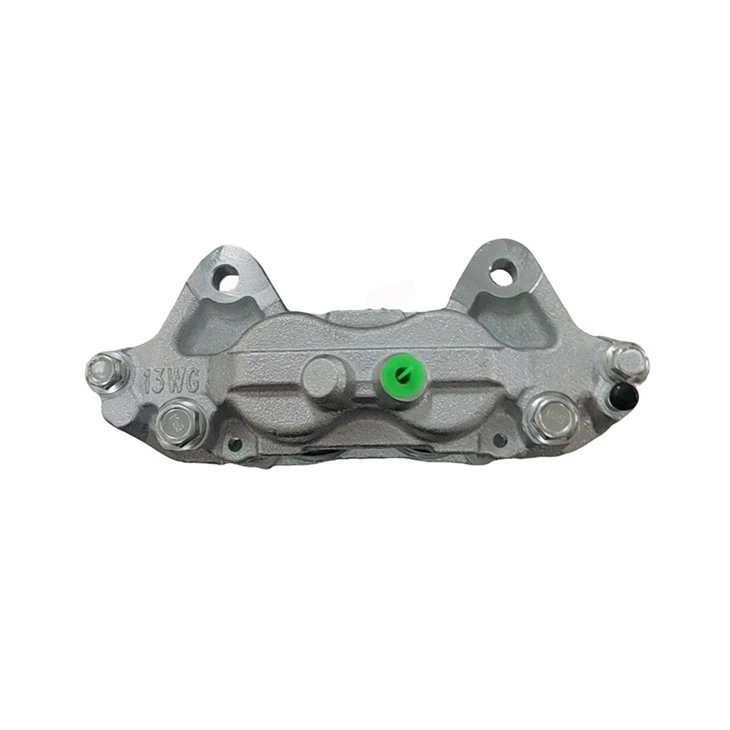
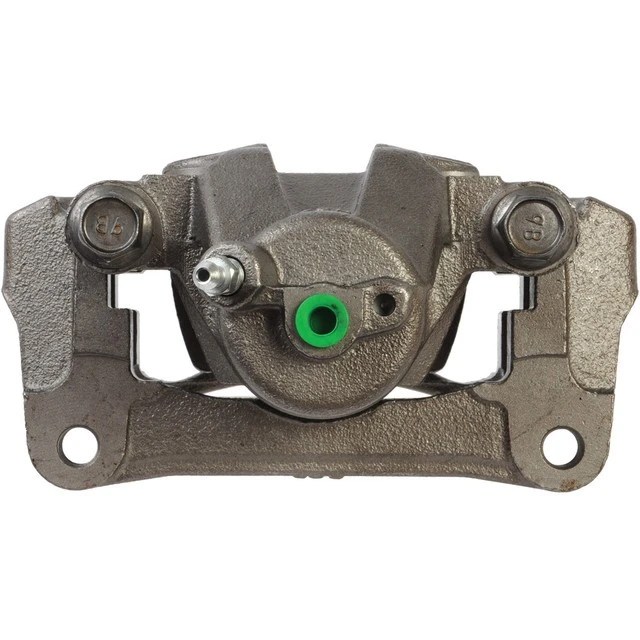
As a supplier of brake caliper pistons for Kia, we offer a wide range of high - quality products. For example, our 19 - B6269 Left Front Caliper is designed to provide reliable and efficient braking performance for your Kia. We also have the Front Disc Brake Caliper (Cardone 19 - 2984,19 - 2985) - Reliable Replacement for Toyota 4Runner (2009.03) & FJ Cruiser (2014.07), which is a great option if you're looking for a replacement caliper for other vehicles. And our Rear brake caliper set 19 - B3956 is perfect for ensuring balanced braking performance on your Kia.
Conclusion
A proper break - in procedure for a new brake caliper piston for your Kia is essential for optimal braking performance and safety. By following the steps outlined in this blog, you can ensure that your new brake caliper piston is properly broken in and ready to provide reliable service.
If you're in the market for high - quality brake caliper pistons for your Kia or other vehicles, we'd love to hear from you. Our team of experts is ready to assist you in finding the right products for your needs. Contact us to start a purchase negotiation and experience the difference of our top - notch brake components.
References
- Brake System Handbook, SAE International
- Kia Vehicle Maintenance Manuals


