


What is the lifespan of a brake caliper piston in a car?
As a dedicated supplier of car brake calipers, I often get asked about the lifespan of a brake caliper piston in a car. This is a crucial question for car owners and mechanics alike, as the brake caliper piston plays a vital role in the overall braking system. In this blog post, I'll delve into the factors that influence the lifespan of a brake caliper piston, signs of wear and tear, and how to maximize its longevity.
Understanding the Role of a Brake Caliper Piston
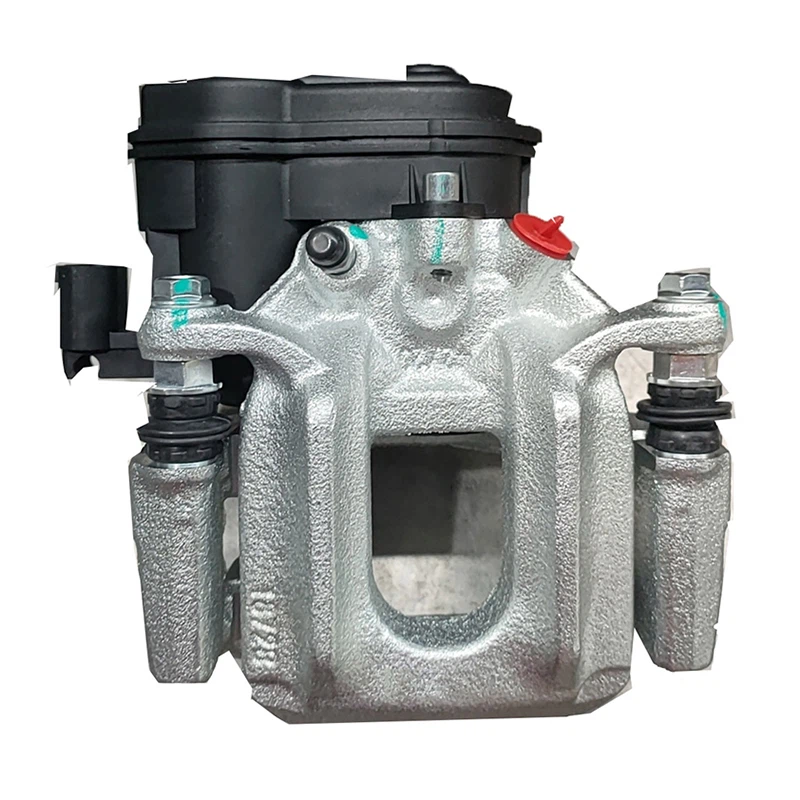
Before we discuss the lifespan, let's briefly understand what a brake caliper piston does. When you press the brake pedal, hydraulic pressure is generated in the brake lines. This pressure is transferred to the brake caliper, where it acts on the piston. The piston then pushes the brake pads against the brake rotor, creating friction that slows down or stops the vehicle. It's a simple yet effective mechanism that is essential for safe driving.

Factors Affecting the Lifespan of a Brake Caliper Piston
The lifespan of a brake caliper piston can vary significantly depending on several factors. Here are some of the key factors that can influence how long a piston will last:
Driving Habits
Aggressive driving, such as frequent hard braking, can put excessive stress on the brake caliper piston. Each time you brake hard, the piston has to exert a large amount of force to push the brake pads against the rotor. Over time, this can cause the piston to wear out more quickly. On the other hand, gentle driving with smooth braking can help extend the lifespan of the piston.
Environmental Conditions
The environment in which you drive your car can also have an impact on the brake caliper piston. For example, if you live in an area with a lot of salt on the roads during the winter, the salt can corrode the piston and its seals. Similarly, driving in dusty or muddy conditions can cause dirt and debris to enter the caliper, which can also lead to premature wear.
Quality of the Brake Caliper and Piston
The quality of the brake caliper and piston is perhaps the most important factor in determining its lifespan. Higher-quality components are typically made from better materials and are manufactured to more precise tolerances. This means they are less likely to wear out or fail prematurely. As a supplier, we offer a range of high-quality brake calipers and pistons, such as the 19-B2810 Car Accessories Brake Caliper For Chevrolet, which are designed to provide long-lasting performance.
Maintenance and Inspection
Regular maintenance and inspection of the brake system can help identify potential problems with the brake caliper piston before they become serious. This includes checking the brake fluid level, inspecting the brake pads for wear, and looking for signs of leaks or damage to the caliper. By catching problems early, you can take steps to prevent further damage and extend the lifespan of the piston.
Signs of a Worn or Failing Brake Caliper Piston
It's important to be aware of the signs of a worn or failing brake caliper piston so you can address the problem before it affects your safety. Here are some common signs to look out for:
Uneven Brake Pad Wear
If you notice that one brake pad is wearing more quickly than the others, it could be a sign of a problem with the brake caliper piston. A stuck or seized piston may not be able to apply equal pressure to the brake pads, causing uneven wear.
Pulling to One Side When Braking
If your car pulls to one side when you apply the brakes, it could be due to a problem with the brake caliper piston on one side. A stuck or leaking piston may not be able to generate enough pressure to stop the wheel on that side, causing the car to pull in the opposite direction.
Soft or Spongy Brake Pedal
A soft or spongy brake pedal can indicate a problem with the brake caliper piston or the brake system in general. This could be due to a leak in the brake lines, a worn piston seal, or air in the brake system.
Grinding or Squealing Noise
If you hear a grinding or squealing noise when you apply the brakes, it could be a sign that the brake pads are worn down to the metal. However, it could also be due to a problem with the brake caliper piston, such as a stuck or seized piston.
Maximizing the Lifespan of a Brake Caliper Piston
While the lifespan of a brake caliper piston is influenced by several factors, there are some steps you can take to maximize its longevity. Here are some tips:
Drive Responsibly
Avoid aggressive driving and practice smooth, gentle braking. This will reduce the stress on the brake caliper piston and help extend its lifespan.
Keep Your Car Clean
Regularly wash your car, especially during the winter months when there is salt on the roads. This will help prevent corrosion and keep dirt and debris from entering the brake caliper.
Use High-Quality Brake Components
When it's time to replace your brake caliper or piston, choose high-quality components from a reputable supplier. This will ensure that you get a product that is built to last.
Follow the Manufacturer's Maintenance Schedule
Regularly maintain your brake system according to the manufacturer's recommendations. This includes changing the brake fluid, inspecting the brake pads and calipers, and replacing any worn or damaged components.
Conclusion
In conclusion, the lifespan of a brake caliper piston in a car can vary depending on several factors, including driving habits, environmental conditions, the quality of the components, and maintenance. By understanding these factors and taking steps to maximize the lifespan of the piston, you can ensure that your brake system remains safe and reliable.
As a leading supplier of car brake calipers, we are committed to providing high-quality products and excellent customer service. If you have any questions about our brake calipers or pistons, or if you are interested in purchasing our products, please don't hesitate to contact us for a procurement discussion. We look forward to working with you to meet your brake system needs.
References
- Haynes, John. "Haynes Repair Manuals." Various editions, Haynes Publishing Group, 1970 - present.
- Chilton, Robert. "Chilton's Automotive Repair Manuals." Various editions, Chilton Book Company, 1946 - present.


