


Hey there, fellow car enthusiasts! As a supplier of rear brake caliper sets, I've seen my fair share of issues with stuck pistons in these crucial components. It's a problem that can lead to all sorts of headaches for drivers, from reduced braking performance to uneven wear on brake pads and rotors. So, let's dive into what causes the pistons in a rear brake caliper set to stick and how you can prevent it.
1. Corrosion and Rust
One of the most common culprits behind stuck brake caliper pistons is corrosion and rust. Brake calipers are constantly exposed to moisture, road salt, and other contaminants, especially in areas with harsh weather conditions. Over time, these elements can cause the piston bore inside the caliper to corrode, creating rough surfaces that prevent the piston from moving smoothly.
When corrosion occurs, it can also cause the rubber seals around the piston to deteriorate. These seals are designed to keep brake fluid in and contaminants out, but if they're damaged, moisture and debris can enter the caliper, further exacerbating the corrosion problem. As a result, the piston may become stuck in its bore, leading to reduced braking effectiveness.
To prevent corrosion, it's important to keep your brake calipers clean and dry. Regularly washing your car, especially during the winter months when road salt is prevalent, can help remove salt and other contaminants from the calipers. Additionally, using a high-quality brake caliper grease on the piston and seals during installation can provide a protective barrier against moisture and corrosion.
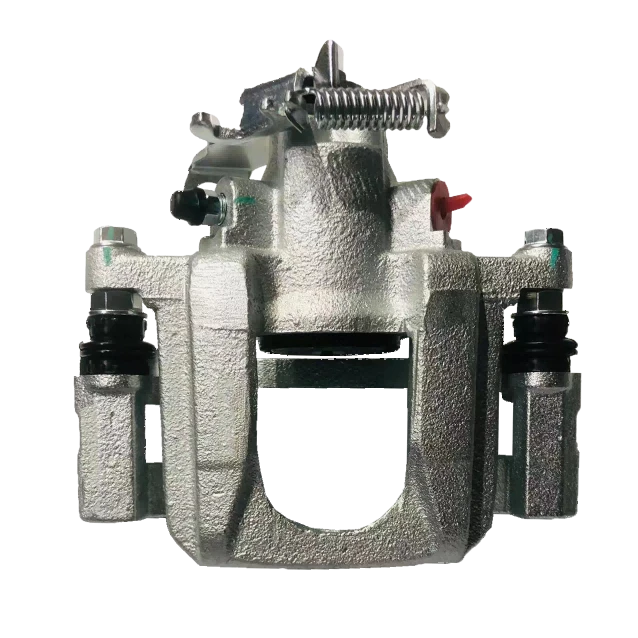

2. Brake Fluid Contamination
Brake fluid is a critical component of your vehicle's braking system, as it transfers the force from the brake pedal to the caliper pistons. However, over time, brake fluid can become contaminated with moisture, dirt, and other impurities. When this happens, it can cause the pistons to stick.
Moisture in the brake fluid can lead to corrosion inside the caliper, as mentioned earlier. Additionally, contaminants in the fluid can cause the seals and pistons to wear prematurely, reducing their ability to move freely. If you notice that your brake pedal feels spongy or that your brakes are not performing as well as they should, it could be a sign of contaminated brake fluid.
To prevent brake fluid contamination, it's important to follow your vehicle manufacturer's recommended brake fluid change intervals. Typically, brake fluid should be changed every two to three years, depending on your driving conditions. When changing the brake fluid, make sure to use a high-quality, DOT-approved fluid that meets the specifications for your vehicle.
3. Overheating
Another common cause of stuck brake caliper pistons is overheating. When you apply the brakes, friction between the brake pads and rotors generates heat. If you're driving aggressively or towing a heavy load, the brakes can overheat, causing the brake fluid to boil and the caliper pistons to expand.
When the pistons expand, they can become stuck in their bores, preventing them from retracting properly. This can lead to uneven brake pad wear, increased brake pedal effort, and reduced braking performance. In severe cases, overheating can even cause the brake fluid to break down, leading to a complete loss of braking power.
To prevent overheating, it's important to drive responsibly and avoid excessive braking. If you're towing a heavy load or driving in mountainous terrain, make sure to give your brakes plenty of time to cool down between stops. Additionally, using high-performance brake pads and rotors can help dissipate heat more effectively, reducing the risk of overheating.
4. Worn or Damaged Seals
The rubber seals around the brake caliper pistons play a crucial role in keeping the brake fluid in and contaminants out. However, over time, these seals can wear out or become damaged, allowing moisture and debris to enter the caliper. When this happens, the pistons can become stuck, leading to reduced braking performance.
Worn or damaged seals can also cause brake fluid leaks, which can further compromise the braking system. If you notice any signs of brake fluid leakage, such as a puddle of fluid under your vehicle or a low brake fluid level, it's important to have your brakes inspected by a professional mechanic as soon as possible.
To prevent seal damage, it's important to use high-quality seals during brake caliper installation. Additionally, avoiding excessive force when compressing the pistons can help prevent the seals from being damaged. If you're unsure how to properly compress the pistons, it's best to consult your vehicle's service manual or a professional mechanic.
5. Improper Installation
Finally, improper installation of the brake caliper can also cause the pistons to stick. If the caliper is not installed correctly, it can put uneven pressure on the pistons, causing them to bind in their bores. Additionally, if the brake pads are not properly aligned with the rotors, it can cause the caliper to tilt, further exacerbating the problem.
To ensure proper installation, it's important to follow the manufacturer's instructions carefully. Make sure to clean the caliper and piston bore thoroughly before installation, and use the correct torque specifications when tightening the caliper bolts. Additionally, make sure the brake pads are properly seated in the caliper and aligned with the rotors.
If you're not comfortable installing the brake caliper yourself, it's best to have it done by a professional mechanic. They have the tools and expertise to ensure that the caliper is installed correctly, reducing the risk of stuck pistons and other braking problems.
Solutions and Our Products
If you're experiencing stuck pistons in your rear brake caliper set, there are several solutions available. In some cases, simply cleaning the caliper and pistons and replacing the seals may be enough to fix the problem. However, if the corrosion or damage is severe, you may need to replace the entire caliper.
As a rear brake caliper set supplier, we offer a wide range of high-quality products to meet your needs. Our 19-B2108 Auto Parts Car Brake Caliper is designed to provide reliable braking performance and is built to last. We also offer Brake Caliper Piston for Kia and Disc Brake Calipers Fit for Audi A3 (2011 - 2013 Models) - PN: 19-6650, 19-6651, among other products.
Our brake calipers are made from high-quality materials and are rigorously tested to ensure they meet or exceed industry standards. We also offer a warranty on all of our products, giving you peace of mind knowing that you're getting a reliable and durable product.
Contact Us for Procurement
If you're in the market for a rear brake caliper set or have any questions about our products, we'd love to hear from you. Whether you're a professional mechanic or a DIY enthusiast, we can help you find the right brake caliper for your vehicle. Contact us today to start the procurement process and let's work together to keep your brakes in top condition!
References
- Brake & Front End Magazine. "Understanding Brake Caliper Problems."
- Chilton's Auto Repair Manual. "Brake System Diagnosis and Repair."
- Motor Age. "Common Brake Caliper Issues and How to Fix Them."


