


Hey there, fellow car enthusiasts! As a supplier of brake calipers for cars, I've seen my fair share of caliper failures over the years. It's a common issue that can lead to some serious safety concerns if not addressed promptly. So, I thought I'd take a moment to share some insights into what causes a brake caliper to fail in a car.
1. Wear and Tear
One of the most common reasons for brake caliper failure is simple wear and tear. Over time, the components of the brake caliper, such as the pistons, seals, and slides, can start to degrade. The pistons are responsible for pushing the brake pads against the rotor to create friction and slow down the vehicle. With repeated use, the pistons can become worn, causing them to stick or not move smoothly.
The seals in the caliper are designed to keep the brake fluid in and prevent contaminants from getting in. However, these seals can also deteriorate over time, leading to leaks. When brake fluid leaks, it not only reduces the effectiveness of the braking system but can also cause corrosion and damage to other parts of the caliper.
The slides, which allow the caliper to move back and forth as the brakes are applied and released, can also wear out. If the slides become stuck or seize up, the caliper may not be able to apply the brakes evenly, resulting in uneven brake pad wear and reduced braking performance.
2. Corrosion
Corrosion is another major culprit when it comes to brake caliper failure. Brake calipers are constantly exposed to moisture, road salt, and other contaminants, especially in areas with harsh weather conditions. Over time, these elements can cause the metal parts of the caliper to rust and corrode.
Corrosion can affect the pistons, seals, and other components of the caliper. For example, rust on the pistons can prevent them from moving freely, leading to uneven braking or a complete failure of the caliper. Corrosion can also damage the seals, causing them to leak and allowing moisture and contaminants to enter the caliper, further accelerating the corrosion process.
3. Contaminated Brake Fluid
Brake fluid plays a crucial role in the proper functioning of the brake caliper. It transfers the force from the brake pedal to the caliper pistons, allowing them to apply pressure to the brake pads. However, if the brake fluid becomes contaminated, it can cause problems for the caliper.
Contaminants in the brake fluid can include moisture, dirt, and debris. Moisture can enter the brake system through small cracks in the hoses or seals, and it can cause the brake fluid to boil at a lower temperature. When the brake fluid boils, it creates air bubbles, which can reduce the effectiveness of the braking system and cause the caliper to fail.
Dirt and debris can also accumulate in the brake fluid over time. These particles can clog the small passages in the caliper, preventing the proper flow of brake fluid and causing the pistons to stick or not function correctly.

4. Overheating
Overheating is a significant issue that can lead to brake caliper failure. When you apply the brakes, the friction between the brake pads and the rotor generates a lot of heat. Under normal driving conditions, the brakes are designed to dissipate this heat effectively. However, in certain situations, such as heavy braking or driving in mountainous terrain, the brakes can overheat.
When the caliper overheats, the brake fluid can boil, and the seals can be damaged. The high temperatures can also cause the metal parts of the caliper to expand and warp, leading to uneven braking and potential caliper failure. Additionally, overheating can cause the brake pads to glaze over, reducing their friction and effectiveness.
5. Improper Installation
Believe it or not, improper installation of the brake caliper can also lead to failure. If the caliper is not installed correctly, it may not be aligned properly with the brake pads and rotor. This can cause uneven braking, excessive wear on the brake pads, and damage to the caliper itself.
For example, if the caliper bolts are not tightened to the correct torque specification, the caliper may move or vibrate while the vehicle is in motion. This can lead to premature wear on the components and eventually cause the caliper to fail. Additionally, if the brake lines are not connected properly, it can result in leaks and a loss of braking power.
6. Manufacturing Defects
Although rare, manufacturing defects can also cause brake caliper failure. Sometimes, there may be a problem with the materials used in the caliper or a flaw in the manufacturing process. For example, a caliper may have a crack or a weak spot in the housing, which can lead to structural failure.
Defects in the pistons, seals, or other components can also cause problems. These defects may not be apparent immediately but can manifest over time, leading to caliper failure. It's important to purchase brake calipers from a reputable supplier to minimize the risk of manufacturing defects.
How to Prevent Brake Caliper Failure
Now that we've discussed the common causes of brake caliper failure, let's talk about how you can prevent it. Regular maintenance is key. Make sure to have your brakes inspected regularly by a qualified mechanic. They can check for signs of wear, corrosion, and other issues and recommend any necessary repairs or replacements.
Keep your brake fluid clean and at the proper level. Brake fluid should be changed according to the manufacturer's recommendations, usually every two to three years. This helps to prevent contamination and ensures that the brake system functions properly.
Avoid overheating your brakes by driving smoothly and avoiding excessive braking. If you're driving in mountainous terrain, use engine braking to help slow down the vehicle and reduce the strain on the brakes.
When replacing brake calipers or other brake components, make sure to have them installed by a professional. They have the knowledge and experience to install the parts correctly and ensure that the braking system is functioning properly.
Our Products
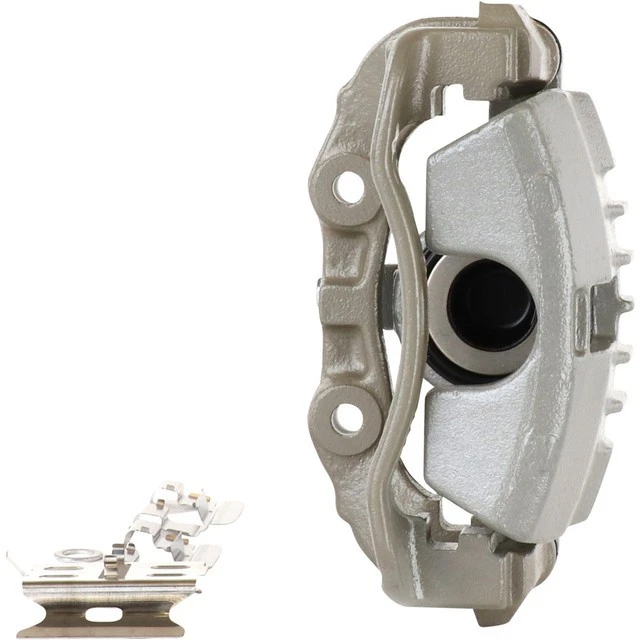
As a brake caliper supplier, we offer a wide range of high-quality brake calipers for various makes and models of cars. For example, we have Rear Left & Rear Right Brake Calipers with Brackets for Chrysler Town & Country 2008 - 2012, Dodge Grand Caravan 2008 - 2012 | Cardone 18 - B5080, 18 - B5081. These calipers are designed to meet or exceed the original equipment specifications, ensuring reliable performance and long-lasting durability.
We also have Auto Accessories Brake Calipers For Buick and Parking Brake Caliper For Chevrolet. Our calipers are made from high-quality materials and undergo rigorous testing to ensure that they meet the highest standards of quality and safety.
Contact Us for Purchasing
If you're in the market for new brake calipers or have any questions about our products, we'd love to hear from you. Contact us to start a purchasing negotiation, and we'll do our best to provide you with the best products and services at competitive prices.
References
- "Brake System Basics." AutoZone.
- "How to Inspect and Maintain Your Brakes." Consumer Reports.
- "Common Brake Problems and Solutions." Car and Driver.


