


Hey there! If you're into cars, you know how crucial it is to have reliable brakes. And as a supplier of high - quality hanging car brake calipers, I've seen it all when it comes to brake caliper warranties. So, let's take a deep dive into the different warranty options for car brake calipers.
Why Warranties Matter for Brake Calipers
First off, why should you care about a warranty for your brake calipers? Well, brake calipers are a vital part of your car's braking system. They're responsible for squeezing the brake pads against the rotors, which stops your car. Any failure in the brake calipers can be not just an inconvenience but extremely dangerous.
A good warranty gives you peace of mind. You don't have to worry about shelling out a ton of cash if something goes wrong with the calipers within the warranty period. It's like having an insurance policy for your car's braking performance.
Types of Warranty Options
Manufacturer's Warranty
Most brake calipers come with a manufacturer's warranty. This is the basic warranty that the company producing the calipers offers. The length and terms of this warranty can vary widely from one manufacturer to another.
Some manufacturers might offer a 1 - year warranty. This means that if your brake calipers fail within that one - year period, the manufacturer will either repair or replace them at no cost to you. Other manufacturers might be more generous and offer a 2 - or 3 - year warranty.
For example, if you buy our 19 - B2928, 19 - B2929 Rear Brake Calipers, they come with a standard 2 - year manufacturer's warranty. This gives you a decent amount of time to use the calipers without having to constantly worry about potential defects.
The manufacturer's warranty usually covers defects in materials and workmanship. So, if there's a problem with the metal used in the caliper, or if there's a mistake in the manufacturing process that causes the caliper to fail, the manufacturer will take care of it.
Extended Warranty
In addition to the manufacturer's warranty, you might also have the option to purchase an extended warranty. An extended warranty is like an add - on that extends the coverage period beyond the manufacturer's original warranty.
Let's say you really want extra protection for your brake calipers. You can pay an additional fee to get an extended warranty for another 1 or 2 years. This can be a good idea if you plan to keep your car for a long time or if you drive a lot.
For instance, if you buy our Rear Disc Brake Caliper 18 - B4894, you have the option to purchase an extended 1 - year warranty. This gives you a total of 3 years of coverage, which is great for long - term peace of mind.
However, it's important to read the fine print of an extended warranty. Some extended warranties might have limitations on what they cover. For example, they might not cover damage caused by normal wear and tear or improper installation.
Lifetime Warranty
Some suppliers offer a lifetime warranty on their brake calipers. This sounds amazing, right? A lifetime warranty means that as long as you own the car with those brake calipers, the supplier will repair or replace them if there are any defects.

But here's the catch. A lifetime warranty often comes with certain conditions. For example, you might have to follow specific maintenance procedures, like regularly changing the brake fluid. If you don't meet these conditions, the warranty might be void.
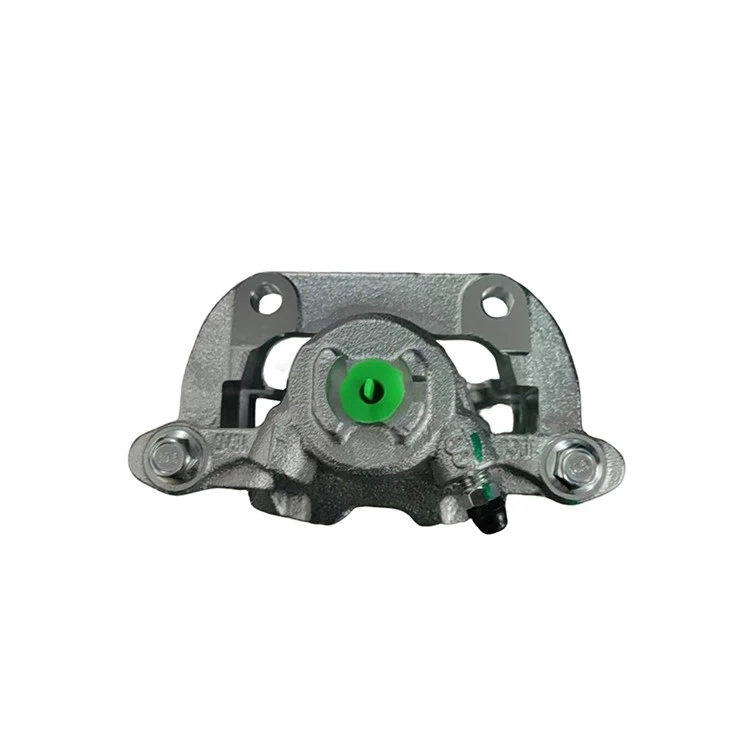
Our 19 - 6278/19 - 6279 Front Brake Caliper with Bracket comes with a conditional lifetime warranty. This is a great option for those who want long - term security and are willing to take good care of their brakes.
What's Usually Covered and Not Covered
Covered
Most warranties cover defects in materials and workmanship. This includes things like a crack in the caliper housing due to a manufacturing flaw or a problem with the piston seal that was incorrectly installed.
If the caliper starts to leak brake fluid because of a defect in the seals, which are part of the manufacturing process, the warranty will usually cover the repair or replacement.
Not Covered
As mentioned earlier, normal wear and tear is usually not covered. Brake calipers, like all parts of a car, will gradually wear out over time. If the caliper fails because of excessive wear from normal driving, the warranty won't apply.
Damage caused by accidents or improper installation is also typically not covered. If you or someone else installs the brake calipers incorrectly and it leads to a failure, the warranty provider won't be responsible.
How to Make a Warranty Claim
Making a warranty claim can seem like a hassle, but it doesn't have to be. If you think your brake calipers are covered under warranty, the first step is to contact the supplier.
You'll usually need to provide some information, like the purchase date, the model number of the brake calipers, and a description of the problem. The supplier might ask you to send photos or bring the car to an authorized repair shop for an inspection.
Once the supplier verifies that the problem is covered under the warranty, they'll either send you a replacement caliper or arrange for the repair to be done. It's important to keep all your receipts and documentation related to the purchase of the brake calipers, as you'll need them to make a claim.
Conclusion
In conclusion, there are several warranty options available for car brake calipers, each with its own pros and cons. The manufacturer's warranty is a good starting point, but you might want to consider an extended or lifetime warranty for extra protection.
As a supplier of high - quality hanging car brake calipers, we're committed to providing our customers with the best possible warranty options. We want you to feel confident in your purchase and know that you're covered in case something goes wrong.
If you're interested in purchasing our brake calipers or have any questions about our warranty options, don't hesitate to reach out to start a procurement discussion. We'd love to help you find the perfect brake calipers for your car.
References
- Automotive Brake Systems Handbook
- Brake Caliper Manufacturing Standards and Guidelines


