


Yo, what's up! I'm a supplier of auto braking system calipers, and today I wanna talk about the impacts of vehicle weight on these calipers. It's a topic that's super important in the auto world, and as someone in the biz, I've seen firsthand how weight can mess with braking performance.
Let's start with the basics. The braking system caliper is a key part of your vehicle's brakes. It's like the muscle that squeezes the brake pads against the rotors to slow down or stop your ride. But here's the thing: not all calipers are created equal, and one of the big factors that affects how they work is the weight of the vehicle they're on.
When a vehicle is heavier, it takes more force to slow it down or bring it to a stop. Think about it like pushing a big truck versus a small car. The truck is way heavier, so you gotta push a lot harder to get it moving or to stop it. The same principle applies to braking. A heavier vehicle needs a more powerful braking system to handle the extra weight.
One of the main impacts of vehicle weight on calipers is wear and tear. Heavier vehicles put more stress on the calipers and brake pads. Every time you hit the brakes, the calipers have to work harder to generate enough force to stop the vehicle. This extra stress can cause the calipers to wear out faster. The pistons inside the calipers, which are responsible for pushing the brake pads against the rotors, can start to leak or get stuck. The seals can also break down more quickly, leading to fluid leaks and reduced braking performance.
Another issue is heat. When you brake, the friction between the brake pads and the rotors generates a ton of heat. Heavier vehicles generate even more heat because they have more mass to slow down. This excess heat can cause the brake fluid to boil, which can lead to a loss of braking power. It can also warp the rotors and damage the calipers. If the calipers get too hot, they can expand, which can affect how they work and lead to uneven braking.
Now, let's talk about how this all affects the performance of the braking system as a whole. A caliper that's struggling to handle the weight of a vehicle won't be able to provide consistent braking force. This can lead to longer stopping distances, which is a major safety concern. You might also notice that your brakes feel spongy or that the pedal goes all the way to the floor. These are signs that your calipers are having trouble coping with the weight of your vehicle.
So, what can you do to make sure your calipers can handle the weight of your vehicle? Well, if you're driving a heavy vehicle, like a truck or an SUV, you need to make sure you have the right calipers installed. Look for calipers that are designed for heavy-duty use. They'll have stronger pistons, better seals, and more heat-resistant materials.
At our company, we offer a wide range of calipers that are suitable for different vehicle weights. For example, we have Rear Brake Calipers For Ford 18 - B4688. These calipers are specifically designed for Ford vehicles and are built to handle the weight and braking demands of these cars. They're made with high - quality materials and are tested to ensure they provide reliable braking performance.
We also have Rear Disc Brake Caliper For Toyota 19 - 1653. Toyota vehicles come in all shapes and sizes, and these calipers are engineered to fit perfectly and deliver the right amount of braking force for Toyota models. Whether you have a small sedan or a larger SUV, these calipers will do the job.
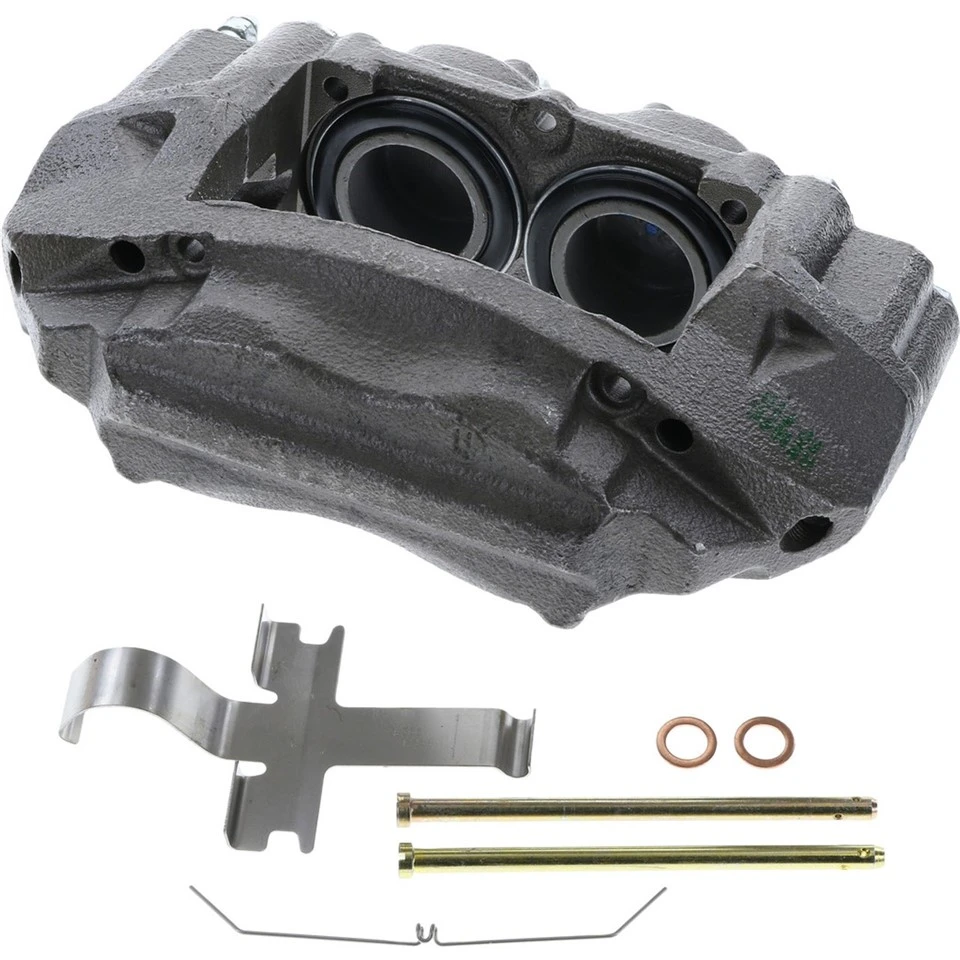
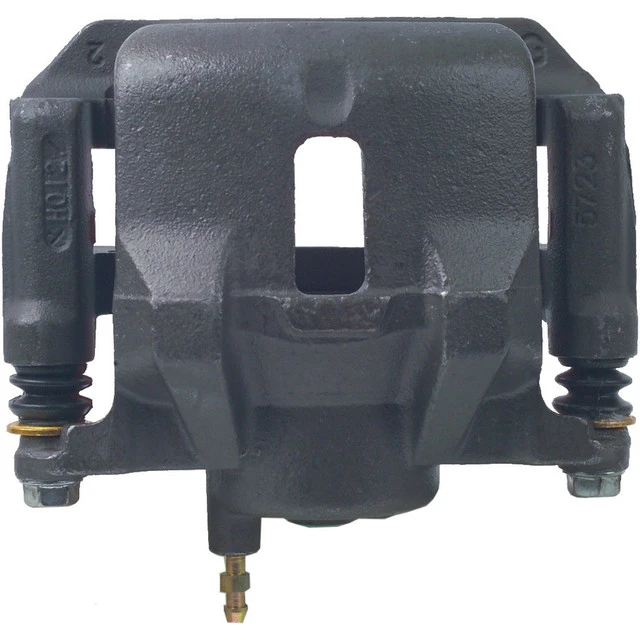
And if you're a Toyota owner, we've got Auto Parts Brake Caliper For Toyota 4775002140. These calipers are a great option for keeping your Toyota's braking system in top shape. They're easy to install and are designed to work with the specific braking requirements of your vehicle.
Regular maintenance is also crucial. You should have your brakes checked regularly by a professional mechanic. They can inspect the calipers for signs of wear and tear, check the brake fluid level, and make sure everything is working as it should. If they notice any problems, they can recommend the right calipers for your vehicle and install them for you.
In conclusion, vehicle weight has a huge impact on auto braking system calipers. Heavier vehicles put more stress on the calipers, leading to increased wear and tear, heat issues, and reduced braking performance. But by choosing the right calipers for your vehicle and keeping up with regular maintenance, you can ensure that your brakes are safe and reliable.
If you're in the market for new calipers or just want to learn more about how to keep your braking system in good shape, don't hesitate to get in touch. We're here to help you find the best calipers for your vehicle and answer any questions you might have. Let's work together to keep your rides safe on the road!
References:
- Automotive Brake Systems Handbook, various industry experts
- Vehicle Dynamics and Control, textbooks on automotive engineering


