


When it comes to the safety and performance of a vehicle, the braking system stands out as one of the most critical components. At the heart of this system lies the brake caliper, a device that plays a pivotal role in the process of decelerating and stopping a vehicle. As a brake caliper supplier, I have witnessed firsthand the diverse range of brake calipers available in the market, each designed to meet specific needs and applications. In this blog post, I will delve into the different types of brake calipers, their unique features, and the advantages they offer.
Floating Brake Calipers
Floating brake calipers, also known as sliding calipers, are the most common type of brake calipers found in modern vehicles. They are relatively simple in design and cost - effective to manufacture, which makes them a popular choice for mass - produced cars.
The basic structure of a floating brake caliper consists of a single piston located on one side of the brake rotor. When the brake pedal is pressed, hydraulic pressure is applied to the piston, which then pushes the inner brake pad against the rotor. As the inner pad makes contact with the rotor, the caliper body slides on guide pins or bushings, causing the outer brake pad to also come into contact with the opposite side of the rotor. This creates the clamping force necessary to slow down or stop the vehicle.
One of the main advantages of floating brake calipers is their simplicity. With fewer moving parts compared to other types of calipers, they are generally more reliable and require less maintenance. Additionally, their compact design allows for easy installation in a variety of vehicle models. However, floating brake calipers may not provide the same level of braking performance as fixed calipers, especially in high - performance or heavy - duty applications. This is because the sliding action of the caliper can introduce some flex, which may result in a slightly less precise clamping force.
Fixed Brake Calipers
Fixed brake calipers, as the name suggests, are firmly attached to the vehicle's suspension or steering knuckle and do not move during the braking process. They typically feature multiple pistons on both sides of the brake rotor, which are arranged symmetrically.
When the brake pedal is depressed, hydraulic pressure is applied equally to all the pistons on both sides of the caliper. This causes the inner and outer brake pads to simultaneously clamp down on the rotor with a more uniform and precise force. The symmetrical design of fixed calipers helps to minimize rotor distortion and provides better heat dissipation, which is crucial for maintaining consistent braking performance under heavy use.
Fixed brake calipers are commonly used in high - performance vehicles, sports cars, and racing applications. Their ability to deliver a more powerful and consistent braking force makes them ideal for situations where rapid deceleration is required. However, they are more complex and expensive to manufacture than floating calipers, and they also tend to be larger and heavier. This can increase the unsprung weight of the vehicle, which may have a negative impact on ride quality and handling to some extent.
Opposed - Piston Brake Calipers
Opposed - piston brake calipers are a specialized type of fixed caliper that feature an even number of pistons arranged in pairs on opposite sides of the brake rotor. For example, a four - piston opposed - piston caliper will have two pistons on each side of the rotor.
The advantage of the opposed - piston design is that it provides a more balanced and powerful clamping force. Since the pistons are directly opposite each other, they can apply pressure to the brake pads in a more symmetrical manner, resulting in better braking performance and reduced brake fade. Brake fade is a phenomenon where the braking efficiency decreases due to excessive heat buildup in the braking system.
Opposed - piston calipers are often used in high - end performance vehicles and heavy - duty applications such as trucks and buses. They are designed to handle high levels of stress and heat, making them suitable for vehicles that carry heavy loads or operate at high speeds. However, like other fixed calipers, they are more expensive and complex than floating calipers.
Single - Piston Brake Calipers
Single - piston brake calipers are the simplest and most basic type of brake caliper. As the name implies, they have only one piston, which is usually located on the inboard side of the brake rotor.
These calipers are commonly found in older vehicles and some entry - level or economy cars. They work in a similar way to floating calipers, where the piston pushes the inner brake pad against the rotor, and the caliper body slides to engage the outer pad. Single - piston calipers are inexpensive to produce and are relatively lightweight, but they offer limited braking performance compared to multi - piston calipers.
Multi - Piston Brake Calipers
Multi - piston brake calipers are an evolution of the single - piston and opposed - piston designs. They can have anywhere from two to eight or more pistons, depending on the specific application.
The use of multiple pistons allows for a greater amount of hydraulic pressure to be applied to the brake pads, resulting in a more powerful braking force. This is particularly beneficial for larger vehicles or those that require high - performance braking, such as SUVs, luxury cars, and high - speed sports cars. Multi - piston calipers can also be designed to provide a more progressive braking feel, allowing the driver to have better control over the braking force.
Performance - Oriented Brake Calipers
In addition to the basic types of brake calipers, there are also performance - oriented calipers that are specifically designed to enhance the braking capabilities of a vehicle. These calipers often feature advanced materials and technologies to improve performance.
For example, some performance calipers are made from lightweight materials such as aluminum alloy to reduce unsprung weight. This helps to improve the vehicle's handling and acceleration. Other performance calipers may incorporate features such as cross - drilled or slotted rotors, which help to improve heat dissipation and reduce brake fade.
As a brake caliper supplier, we offer a wide range of brake calipers to meet the diverse needs of our customers. Whether you are looking for a replacement caliper for your daily driver or a high - performance caliper for your sports car, we have the right product for you. Here are some of our popular products:

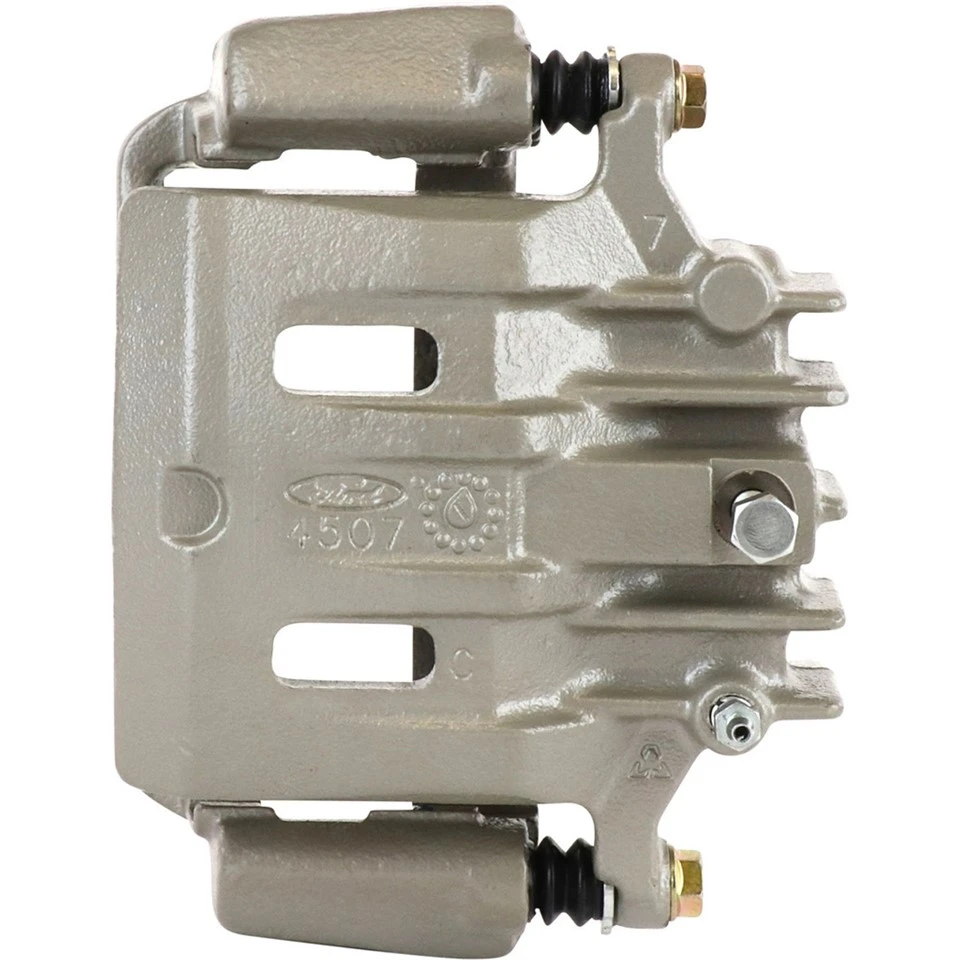
- Auto Brake Caliper Assembly for Chevrolet: This caliper is specifically designed for Chevrolet vehicles, providing reliable and efficient braking performance.
- 18 - B4752 Rear Right Brake Caliper For Ford: A high - quality replacement caliper for Ford vehicles, ensuring proper fit and function.
- Nissan Specific Brake Calipers 19 - B3306: These calipers are engineered to meet the unique braking requirements of Nissan models.
If you are in the market for brake calipers, we encourage you to get in touch with us. Our team of experts is ready to assist you in selecting the right calipers for your vehicle and provide you with all the necessary information. We are committed to delivering high - quality products and excellent customer service. Whether you are an individual car owner, a mechanic, or an automotive parts distributor, we look forward to the opportunity to work with you and discuss your brake caliper needs.
References
- "Automotive Braking Systems" by Richard Stone and John Crolla
- "Brake Handbook" by Hayes Brakes


