


Brake fade is a critical issue that can significantly compromise the safety and performance of a vehicle's braking system. As a leading rear brake caliper set supplier, I understand the importance of preventing brake fade to ensure the reliability of our products. In this blog post, I will share some effective strategies to prevent brake fade in a rear brake caliper set.
Understanding Brake Fade
Before delving into prevention methods, it's essential to understand what brake fade is and what causes it. Brake fade occurs when the braking system loses its ability to generate sufficient friction to slow down or stop the vehicle effectively. This can happen due to several factors, including overheating, excessive wear, and improper maintenance.
When the brakes are applied, the friction between the brake pads and the rotors generates heat. If the heat builds up too quickly or exceeds the capacity of the braking system to dissipate it, the brake pads and rotors can become overheated. This can cause the brake pads to glaze over, reducing their friction coefficient and making them less effective at stopping the vehicle. Additionally, overheating can cause the brake fluid to boil, which can lead to a loss of hydraulic pressure and a spongy or unresponsive brake pedal.
Choosing the Right Brake Caliper Set
One of the most important steps in preventing brake fade is choosing the right rear brake caliper set for your vehicle. Not all brake caliper sets are created equal, and selecting a high-quality set that is designed to handle the specific demands of your vehicle is crucial.
When choosing a brake caliper set, consider the following factors:
- Vehicle Type and Usage: Different vehicles have different braking requirements based on their size, weight, and intended use. For example, a high-performance sports car will require a more powerful braking system than a compact sedan. Consider your vehicle's specific needs and choose a brake caliper set that is designed to meet those requirements.
- Quality and Durability: Look for a brake caliper set that is made from high-quality materials and is built to last. A well-constructed caliper set will be more resistant to wear and tear, reducing the risk of brake fade and other braking problems.
- Compatibility: Ensure that the brake caliper set you choose is compatible with your vehicle's make, model, and year. Using an incompatible caliper set can lead to improper fitment, reduced braking performance, and potential safety hazards.
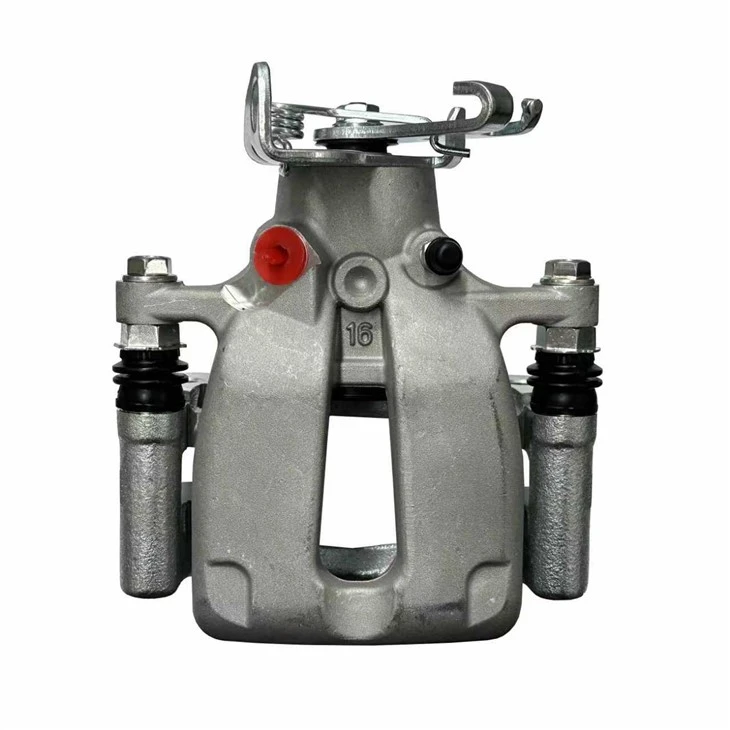
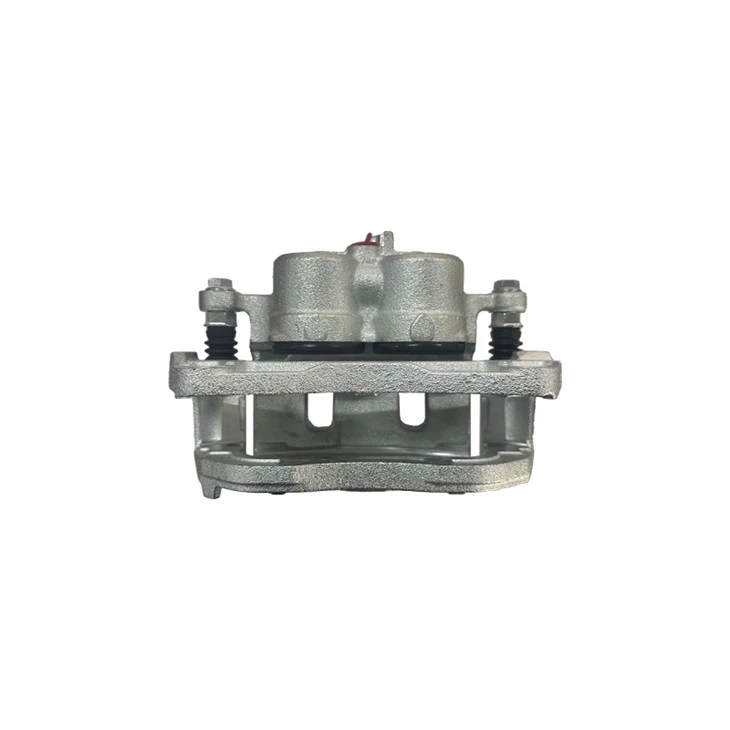
As a rear brake caliper set supplier, I offer a wide range of high-quality caliper sets that are designed to meet the needs of various vehicles. For example, the Cardone 18-B5324 / 18-B5325 Rear Brake Caliper With Bracket is compatible with Buick LaCrosse 2016 - 12, Regal 2017 - 11, and Chevrolet Malibu 2013. This caliper set is built to provide reliable performance and is designed to withstand the rigors of daily driving.
Proper Installation and Maintenance
Proper installation and maintenance are essential for preventing brake fade in a rear brake caliper set. Even the highest-quality caliper set can experience problems if it is not installed correctly or maintained properly.
- Installation: When installing a rear brake caliper set, it's important to follow the manufacturer's instructions carefully. This includes using the correct tools, torquing the bolts to the specified values, and ensuring that all components are properly aligned. Improper installation can lead to uneven braking, premature wear, and brake fade.
- Brake Pad Selection: Choosing the right brake pads is crucial for preventing brake fade. Different brake pads are designed for different applications, and selecting the appropriate pads for your vehicle's usage is important. For example, high-performance brake pads are designed to withstand higher temperatures and provide better stopping power, but they may also wear out more quickly.
- Brake Fluid Maintenance: Brake fluid plays a vital role in the braking system, as it transfers the force from the brake pedal to the calipers. Over time, brake fluid can absorb moisture, which can lower its boiling point and increase the risk of brake fade. It's important to flush and replace the brake fluid at regular intervals to ensure its effectiveness.
- Rotor Inspection and Maintenance: The brake rotors also play a key role in the braking system. Over time, the rotors can become worn, warped, or scored, which can affect the performance of the brake pads and lead to brake fade. Regularly inspect the rotors for signs of wear and damage, and replace them if necessary.
Cooling and Ventilation
Another effective way to prevent brake fade is to ensure proper cooling and ventilation of the rear brake caliper set. As mentioned earlier, overheating is one of the primary causes of brake fade, so keeping the brakes cool is essential.
- Ventilated Rotors: Ventilated rotors are designed with internal vanes that allow air to flow through them, helping to dissipate heat more effectively. By using ventilated rotors in your rear brake caliper set, you can reduce the risk of overheating and brake fade.
- Brake Ducts: Brake ducts are another option for improving cooling. These ducts direct air from the front of the vehicle to the brakes, helping to keep them cool during heavy braking. Some high-performance vehicles are equipped with factory-installed brake ducts, but they can also be added as an aftermarket upgrade.
- Heat Shields: Heat shields can help protect the brake calipers and other components from excessive heat. These shields are typically made of metal or ceramic and are installed between the brake caliper and the wheel. They reflect heat away from the caliper, reducing the risk of overheating and brake fade.
Driving Habits
Finally, your driving habits can also have a significant impact on the likelihood of brake fade. Aggressive driving, such as hard braking and rapid acceleration, can put additional stress on the braking system and increase the risk of overheating.
- Smooth Braking: Instead of slamming on the brakes, try to brake smoothly and gradually. This will help reduce the amount of heat generated by the brakes and prevent overheating.
- Anticipate Stops: Anticipating stops and slowing down early can also help reduce the strain on the brakes. By giving yourself more time to stop, you can avoid sudden and hard braking, which can lead to brake fade.
- Avoid Overloading: Overloading your vehicle can put additional stress on the braking system, making it more prone to brake fade. Make sure to stay within the vehicle's recommended weight limits to ensure the safety and performance of the brakes.
Conclusion
Preventing brake fade in a rear brake caliper set is essential for ensuring the safety and performance of your vehicle's braking system. By choosing the right brake caliper set, properly installing and maintaining it, ensuring proper cooling and ventilation, and adopting good driving habits, you can significantly reduce the risk of brake fade.
As a rear brake caliper set supplier, I am committed to providing high-quality products and expert advice to help you prevent brake fade and keep your vehicle's braking system in top condition. If you have any questions or need assistance in choosing the right rear brake caliper set for your vehicle, please feel free to contact me. I would be happy to discuss your specific needs and help you find the best solution.
References
- "Brake Fade: Causes, Symptoms, and Prevention." AutoZone.
- "How to Prevent Brake Fade." Edmunds.
- "Understanding Brake Fade and How to Avoid It." Car and Driver.


