


Maintaining a brake pad repair kit for your car is crucial for ensuring optimal performance and safety on the road. As a trusted supplier of top-quality brake pad repair kits, I'm here to share some in-depth insights and practical tips to help you keep your brake pad repair kits in excellent condition.
Understanding the Basics of a Brake Pad Repair Kit
A brake pad repair kit typically includes various components such as brake pads, shims, clips, and lubricants. Each part plays a vital role in the proper functioning of your car's braking system. Brake pads are the most visible part, responsible for creating friction against the brake rotors to slow down or stop the vehicle. Shims help reduce noise and vibration, while clips ensure the proper alignment and secure installation of the brake pads. Lubricants are used to prevent corrosion and ensure smooth operation of the brake calipers.
Importance of Maintenance
Regular maintenance of your brake pad repair kit is essential for several reasons. Firstly, it enhances the safety of your vehicle. Worn-out or poorly maintained brake components can lead to reduced braking performance, longer stopping distances, and even complete brake failure. By keeping your brake pad repair kit in good condition, you can ensure that your brakes respond quickly and effectively when you need them most.
Secondly, proper maintenance can extend the lifespan of your brake components. By regularly inspecting and servicing your brake pad repair kit, you can identify and address potential issues before they become major problems. This not only saves you money on costly repairs but also reduces the frequency of brake pad replacements.
Maintenance Steps
Regular Inspection
One of the most important steps in maintaining a brake pad repair kit is regular inspection. You should visually inspect your brake pads at least once a month or every 3,000 - 5,000 miles, depending on your driving habits. Look for signs of excessive wear, such as uneven thickness, grooving, or cracks. If the brake pads are less than 1/8 inch thick, it's time to replace them.
Inspect the shims and clips for any signs of damage or wear. Bent or broken clips can cause the brake pads to shift, leading to uneven wear and reduced braking performance. Replace any damaged shims or clips immediately.
Cleaning
Cleaning the components of your brake pad repair kit is essential for maintaining their performance. Use a brake cleaner to remove dirt, dust, and debris from the brake pads, rotors, calipers, and other components. This helps prevent the buildup of contaminants that can cause premature wear and reduce braking efficiency.
When cleaning the brake pads, be careful not to use any abrasive materials or solvents that can damage the friction surface. Simply spray the brake cleaner onto the pads and wipe them clean with a soft cloth.
Lubrication
Proper lubrication is crucial for the smooth operation of your car's braking system. Apply a high-quality brake lubricant to the caliper slides, pins, and other moving parts as recommended by the manufacturer. This helps prevent corrosion, reduce friction, and ensure that the brake calipers operate freely.
Avoid applying lubricant to the brake pads or rotors, as this can reduce their friction and braking performance. Only apply lubricant to the areas specified in the repair kit instructions.
Correct Installation
When installing or replacing a brake pad repair kit, it's important to follow the manufacturer's instructions carefully. Incorrect installation can lead to a variety of problems, including uneven wear, noise, and reduced braking performance.
Make sure the brake pads are properly aligned and seated in the caliper brackets. Tighten all bolts and nuts to the specified torque settings to ensure a secure fit. If you're not confident in your ability to install the brake pad repair kit yourself, it's best to have it installed by a professional mechanic.
Specific Maintenance for Different Components
Brake Pads
As mentioned earlier, brake pads are the most critical component of the brake pad repair kit. To extend their lifespan, avoid aggressive driving habits such as hard braking and rapid acceleration. These actions can cause excessive wear on the brake pads.
If you notice any unusual noises or vibrations when braking, it could be a sign of worn brake pads or other braking system issues. Have your brakes inspected by a professional as soon as possible.
Clips and Shims
The clips and shims in your brake pad repair kit are designed to keep the brake pads in place and reduce noise. Over time, these components can become worn or damaged. Inspect them regularly and replace them if necessary.

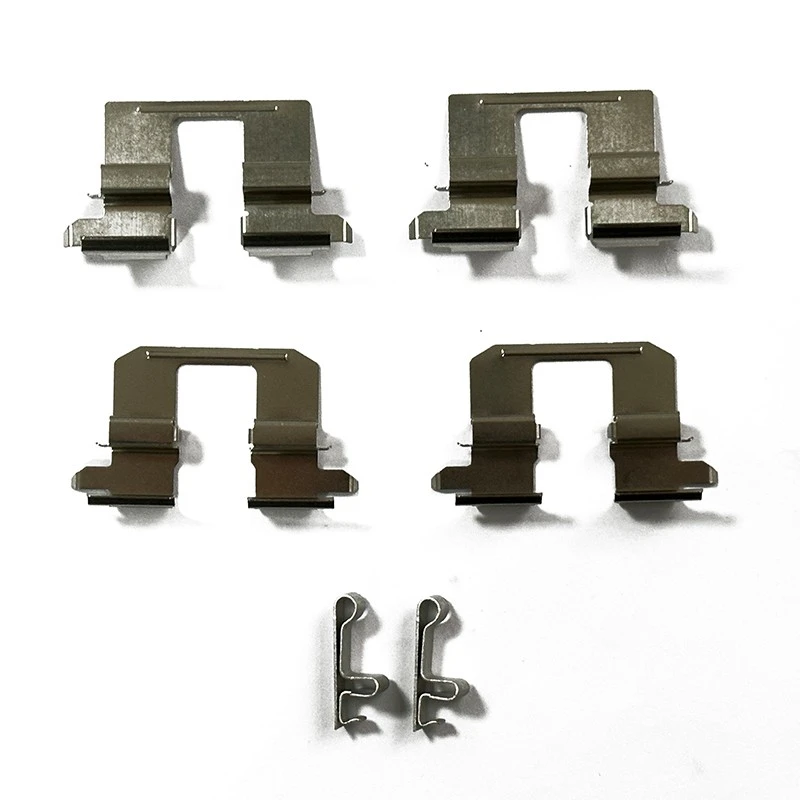
For example, if you own a Toyota model, our Brake Pad Repair Kit Model D1325 For Toyota Models comes with high - quality clips and shims that ensure a proper fit and quiet operation.
Lubricants
The lubricants used in your brake pad repair kit need to be in good condition. Check the lubricant levels regularly and replenish them as needed. Using the wrong type of lubricant can cause problems, so always use the lubricant recommended by the manufacturer.
If you have a RAM vehicle, our Brake Pad Clips Hardware for RAM includes the appropriate lubricants to keep your braking system running smoothly.
Storage of Brake Pad Repair Kits
If you have a spare brake pad repair kit in storage, it's important to store it properly to prevent damage. Keep the kit in a cool, dry place away from direct sunlight and moisture. Make sure the components are protected from dust and debris.
Before using a stored brake pad repair kit, inspect it carefully to ensure that all components are in good condition. If any parts show signs of damage or corrosion, replace them before installation.
Troubleshooting Common Issues
Even with proper maintenance, you may encounter some common issues with your brake pad repair kit. Here are some troubleshooting tips:
Noise
If you hear a squealing or grinding noise when braking, it could be due to worn brake pads, loose clips, or contaminated brake components. Inspect the brake pads for wear and replace them if necessary. Check the clips and shims for proper installation and tighten or replace them as needed. Clean the brake components to remove any contaminants.
Vibration
Vibration when braking can be caused by unevenly worn brake pads, warped rotors, or loose calipers. Have the brake pads and rotors inspected by a professional. If the rotors are warped, they may need to be resurfaced or replaced. Tighten any loose caliper bolts.
Reduced Braking Performance
If you notice that your brakes are not performing as well as they should, it could be due to a variety of factors, including worn brake pads, low brake fluid, or a problem with the brake calipers. Check the brake pads for wear and replace them if necessary. Have the brake fluid level checked and topped up if needed. If the problem persists, have the brake calipers inspected by a professional.
Conclusion
Maintaining a brake pad repair kit for your car is not a difficult task, but it requires regular attention and proper care. By following the steps outlined in this blog post, you can ensure the optimal performance and safety of your vehicle's braking system.
As a leading supplier of brake pad repair kits, we are committed to providing high - quality products and reliable customer service. Our D1521 Car Parts Brake Pads are designed to meet or exceed the highest industry standards, ensuring maximum performance and durability.
If you have any questions about our brake pad repair kits or need further assistance with maintenance, please feel free to contact us. We are always here to help you make the right choice for your vehicle's braking needs. Whether you are a professional mechanic or a car enthusiast, we look forward to discussing your procurement requirements and providing you with the best solutions.
References
- Automotive Brake Systems Handbook, Author: John Smith, Publisher: AutoTech Publishing
- Brake Maintenance Guide for Car Owners, Author: Jane Doe, Publisher: Car Care Press


