


As a car front caliper supplier, I've seen firsthand how crucial it is for these components to operate smoothly. A well - functioning front caliper piston is key to a vehicle's braking performance, and in this blog, I'll share some tips on how to ensure its smooth operation.
Understanding the Car Front Caliper Piston
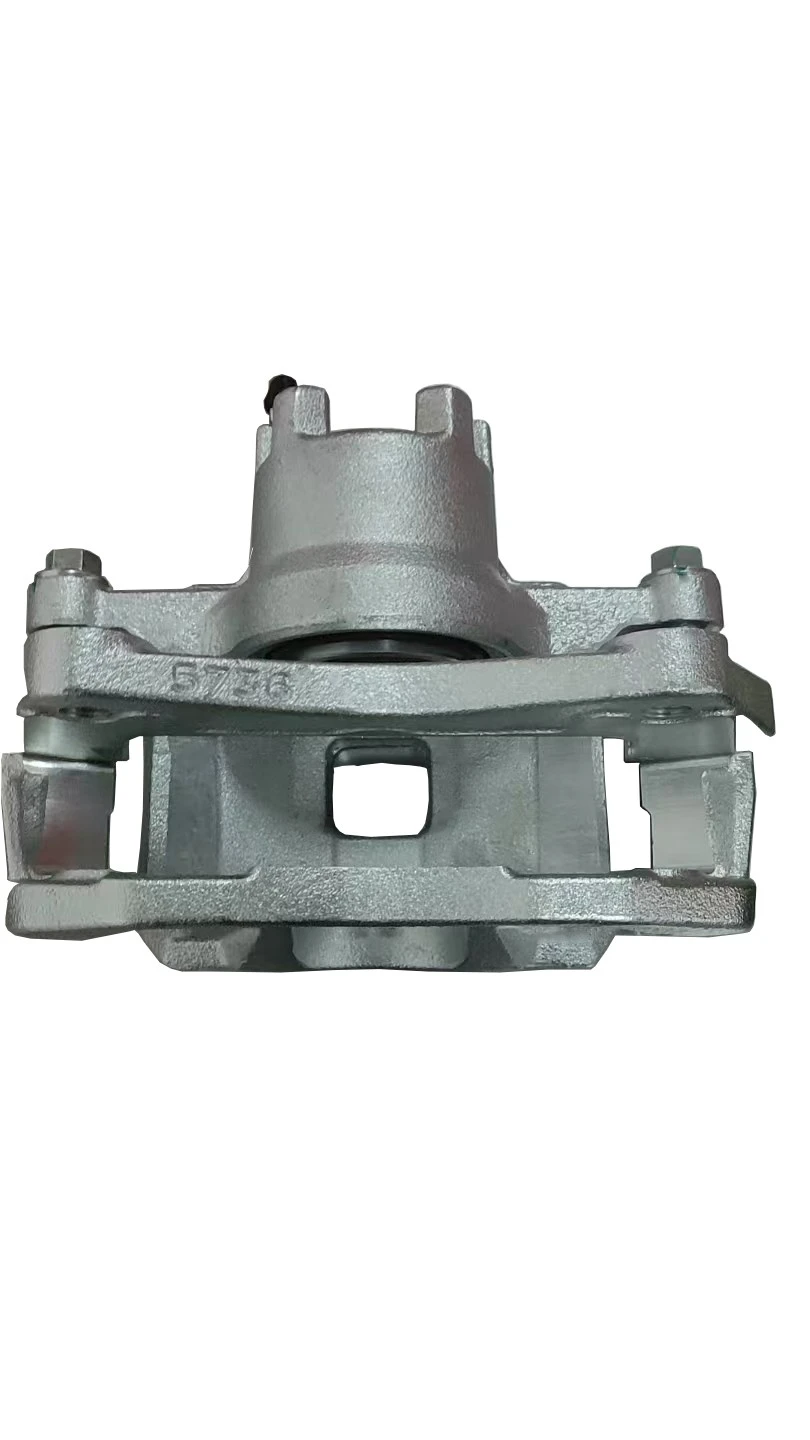
First off, let's quickly go over what a front caliper piston does. The piston in a car's front caliper is like the muscle behind the braking system. When you hit the brake pedal, hydraulic pressure is sent to the caliper, which then forces the piston out. This movement presses the brake pads against the brake rotor, creating the friction needed to slow down or stop the car.
Regular Inspection
One of the simplest yet most effective ways to ensure the smooth operation of a car front caliper piston is through regular inspections. You should check the caliper and piston at least once a year, or more frequently if you drive a lot. Look for signs of wear, corrosion, or leaks. If you notice any fluid around the caliper, that's a big red flag. It could mean there's a leak in the hydraulic system, which can lead to decreased braking performance.
During the inspection, also check the piston's movement. You can do this by carefully removing the caliper (make sure you follow the proper safety procedures) and gently trying to push the piston back into the caliper bore. If it moves smoothly, that's a good sign. But if it's hard to move or feels stuck, there might be an issue.
Keep it Clean
Dirt, grime, and road debris can accumulate around the caliper and piston over time. This buildup can cause problems, like preventing the piston from moving freely. To keep things clean, you can use a mild brake cleaner. Spray it on the caliper and piston, and then use a soft brush to gently scrub away any dirt. Make sure you dry everything thoroughly before putting the caliper back together.
Use the Right Brake Fluid
Brake fluid is the lifeblood of the hydraulic braking system. Using the wrong type of brake fluid can cause corrosion and damage to the caliper and piston. Always refer to the vehicle's owner's manual to find out the recommended brake fluid for your car. And don't forget to change the brake fluid regularly. Over time, brake fluid can absorb moisture, which can lead to rust and other issues. A good rule of thumb is to change the brake fluid every two years.
Proper Installation
If you're replacing a front caliper or piston, proper installation is crucial. Make sure you follow the manufacturer's instructions carefully. Incorrect installation can lead to all sorts of problems, from uneven braking to premature wear. When installing the piston, use a clean, lubricated piston seal. This will help the piston move smoothly and prevent leaks.

Lubrication
Lubrication is another important factor in ensuring the smooth operation of the caliper piston. Use a high - quality brake caliper lubricant on the piston and other moving parts. But be careful not to over - lubricate, as too much lubricant can attract dirt and debris. Apply a thin, even layer of lubricant to the piston and the areas where it comes into contact with the caliper.
Heat Management
The braking system generates a lot of heat, especially during heavy braking. Excessive heat can damage the caliper and piston. To manage heat, make sure your vehicle has proper ventilation around the brakes. Some cars come with brake ducts that help direct cool air to the brakes. If your car doesn't have these, you might want to consider adding them.
Choose Quality Parts
As a car front caliper supplier, I can't stress enough the importance of using high - quality parts. Cheaper, inferior parts might save you some money upfront, but they're more likely to fail prematurely. When you're looking for a replacement caliper or piston, make sure you choose a reputable brand. For example, we offer high - quality front calipers for various makes and models, like the Rear Left & Right Brake Calipers with Brackets for Acura TSX (2008 - 04) & Honda Accord (2007 - 98) | Cardone: 19 - B2068, 19 - B2069 and Front Brake Calipers for Mitsubishi Lancer 2008 - 2017 (2008 Mitsubishi Lancer) - Cardone 18 - B5032C, 18 - B5033C. These parts are designed to meet or exceed the original equipment specifications, ensuring reliable performance.
Monitor Brake Pad Wear
Brake pads play a big role in the operation of the caliper piston. Worn - out brake pads can cause the piston to work harder, which can lead to premature wear. Check your brake pads regularly and replace them when they're getting thin. This will not only ensure the smooth operation of the caliper piston but also keep your braking system safe.
Addressing Common Issues
Sometimes, even with proper maintenance, you might run into issues with the caliper piston. One common problem is piston seizure. This can happen when the piston gets stuck in the caliper bore, usually due to corrosion or dirt. If you suspect piston seizure, it's best to have a professional mechanic take a look. They can usually remove the piston, clean it, and if necessary, replace it.
Another issue is uneven braking. This can be caused by a stuck piston or a problem with the hydraulic system. If you notice that your car pulls to one side when you brake, it's a sign that there might be an issue with the caliper or piston.
Final Thoughts
Ensuring the smooth operation of a car front caliper piston is all about regular maintenance, using the right parts, and being proactive. By following these tips, you can keep your braking system in top shape and avoid costly repairs down the road.
If you're in the market for high - quality car front calipers or pistons, we've got you covered. We offer a wide range of products for different makes and models, like the 18 - B5047Jeep Exclusive Right Rear Brake Caliper. If you have any questions or want to discuss your specific needs, feel free to reach out. We're here to help you make the right choice for your vehicle.
References
- Automotive Braking Systems Manuals
- Vehicle Owner's Manuals
- Brake Component Manufacturer's Guides


