


Hey there, car enthusiasts and fellow gearheads! I'm stoked to be here today to break down one of the most crucial aspects of a car's braking system: how the hydraulic system works in tandem with a car front caliper. As a car front caliper supplier, I've seen firsthand the importance of these components working together seamlessly to keep you safe on the road. So, let's dive right in!
First things first, let's talk about what a car front caliper actually is. In simple terms, a caliper is a device that squeezes the brake pads against the brake rotor, creating friction that slows down or stops the wheels from turning. It's like a vice grip that clamps down on the rotor to bring your car to a halt. The front calipers are typically larger and more powerful than the rear ones because they do most of the work when you hit the brakes.
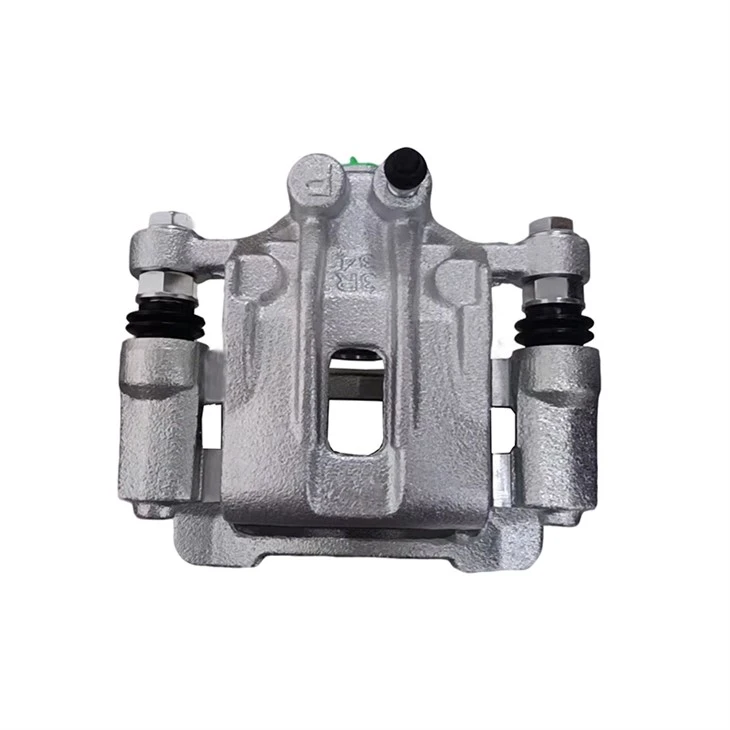

Now, let's get into the nitty-gritty of how the hydraulic system comes into play. The hydraulic system in a car's braking system is responsible for transmitting the force from your foot on the brake pedal to the calipers. It's like a network of pipes and cylinders that work together to make the magic happen.
When you press down on the brake pedal, it pushes a piston in the master cylinder, which is located under the hood of your car. The master cylinder is filled with brake fluid, which is a special type of hydraulic fluid that doesn't compress easily. As the piston moves, it forces the brake fluid through a series of brake lines to the calipers.
Once the brake fluid reaches the calipers, it enters a small chamber called the caliper piston. The pressure from the brake fluid causes the piston to move outward, pushing the brake pads against the brake rotor. This creates friction, which slows down or stops the wheels from turning.
The beauty of the hydraulic system is that it allows you to apply a relatively small amount of force with your foot on the brake pedal and still generate a large amount of force at the calipers. This is because the hydraulic system uses the principle of Pascal's law, which states that pressure applied to a fluid in a closed container is transmitted equally in all directions.
So, how does all of this work in a real-world scenario? Let's say you're driving down the road and you need to stop quickly. You press down on the brake pedal, and the master cylinder sends a signal to the calipers to apply the brakes. The calipers then squeeze the brake pads against the brake rotor, creating friction that slows down your car. As you release the brake pedal, the pressure in the hydraulic system decreases, and the caliper pistons retract, allowing the brake pads to move away from the rotor.
Now, let's talk about some of the key components of the hydraulic system and how they work together with the calipers.
- Master Cylinder: As I mentioned earlier, the master cylinder is responsible for converting the force from your foot on the brake pedal into hydraulic pressure. It's like the heart of the hydraulic system, pumping brake fluid through the brake lines to the calipers.
- Brake Lines: The brake lines are the pipes that carry the brake fluid from the master cylinder to the calipers. They're typically made of steel or rubber and are designed to withstand high pressure.
- Caliper Pistons: The caliper pistons are the small cylinders inside the calipers that move outward when the brake fluid enters the caliper. They're responsible for pushing the brake pads against the brake rotor.
- Brake Pads: The brake pads are the friction material that comes into contact with the brake rotor. They're typically made of a composite material that's designed to withstand high temperatures and provide good stopping power.
- Brake Rotors: The brake rotors are the metal discs that the brake pads squeeze against. They're attached to the wheels and rotate with them. When the brake pads apply pressure to the rotors, it creates friction, which slows down or stops the wheels from turning.
Now that you have a better understanding of how the hydraulic system works with a car front caliper, let's talk about some of the common problems that can occur.
- Brake Fluid Leaks: One of the most common problems with the hydraulic system is a brake fluid leak. This can be caused by a damaged brake line, a faulty master cylinder, or a leaking caliper piston. If you notice a puddle of brake fluid under your car or if your brake pedal feels spongy or goes all the way to the floor, it's important to have your brakes checked immediately.
- Worn Brake Pads: Another common problem is worn brake pads. Over time, the brake pads will wear down from the friction with the brake rotor. When the brake pads get too thin, they won't be able to provide enough friction to stop your car effectively. It's important to have your brake pads checked regularly and replaced when they reach the recommended thickness.
- Sticking Caliper Pistons: Sometimes, the caliper pistons can get stuck in the caliper housing. This can be caused by dirt, debris, or corrosion. When the caliper pistons stick, they won't be able to move freely, which can cause uneven braking or a dragging sensation. If you notice any of these symptoms, it's important to have your calipers inspected and repaired or replaced if necessary.
As a car front caliper supplier, I understand the importance of providing high-quality products that are reliable and durable. That's why we offer a wide range of calipers for different makes and models of cars. Whether you're looking for a 19-B2585 Left Front Brake Caliper For Acura Cars, Rear Brake Calipers with Brackets for Hyundai Tucson 2010-2015, Kia Sportage 2011-2016 - Cardone 19-B6390, 19-B6391, or Cardone 19-B3348/19-B3349 Front Left & Right Disc Brake Calipers - Compatible with Subaru Models (B9 Tribeca 2007-06, Forester 2018-14, Legacy 2019-05, Outback 2019-10, Tribeca 2014-08, WRX 2021-15), we've got you covered.
If you're in the market for a new car front caliper or if you have any questions about how the hydraulic system works, please don't hesitate to reach out. We're here to help you find the right product for your needs and ensure that your car's braking system is in top-notch condition.
In conclusion, the hydraulic system and the car front caliper work together in a symbiotic relationship to keep you safe on the road. By understanding how these components work and what to look out for, you can take better care of your car's braking system and avoid costly repairs down the road. So, the next time you hit the brakes, take a moment to appreciate the amazing technology that's working behind the scenes to keep you safe.
Thanks for reading, and happy driving!
References:
- "Automotive Braking Systems" by James D. Halderman
- "Brake Handbook" by Fred Puhn
- "The Complete Idiot's Guide to Car Maintenance" by Tom Torbjornsen


