


Hey there, fellow car enthusiasts! As a supplier of car wheel brake calipers, I've been getting a bunch of questions lately about how these little but super important parts actually work. So, I thought I'd take a deep dive into the world of car wheel brake caliper pistons and break it down for you in a way that's easy to understand.
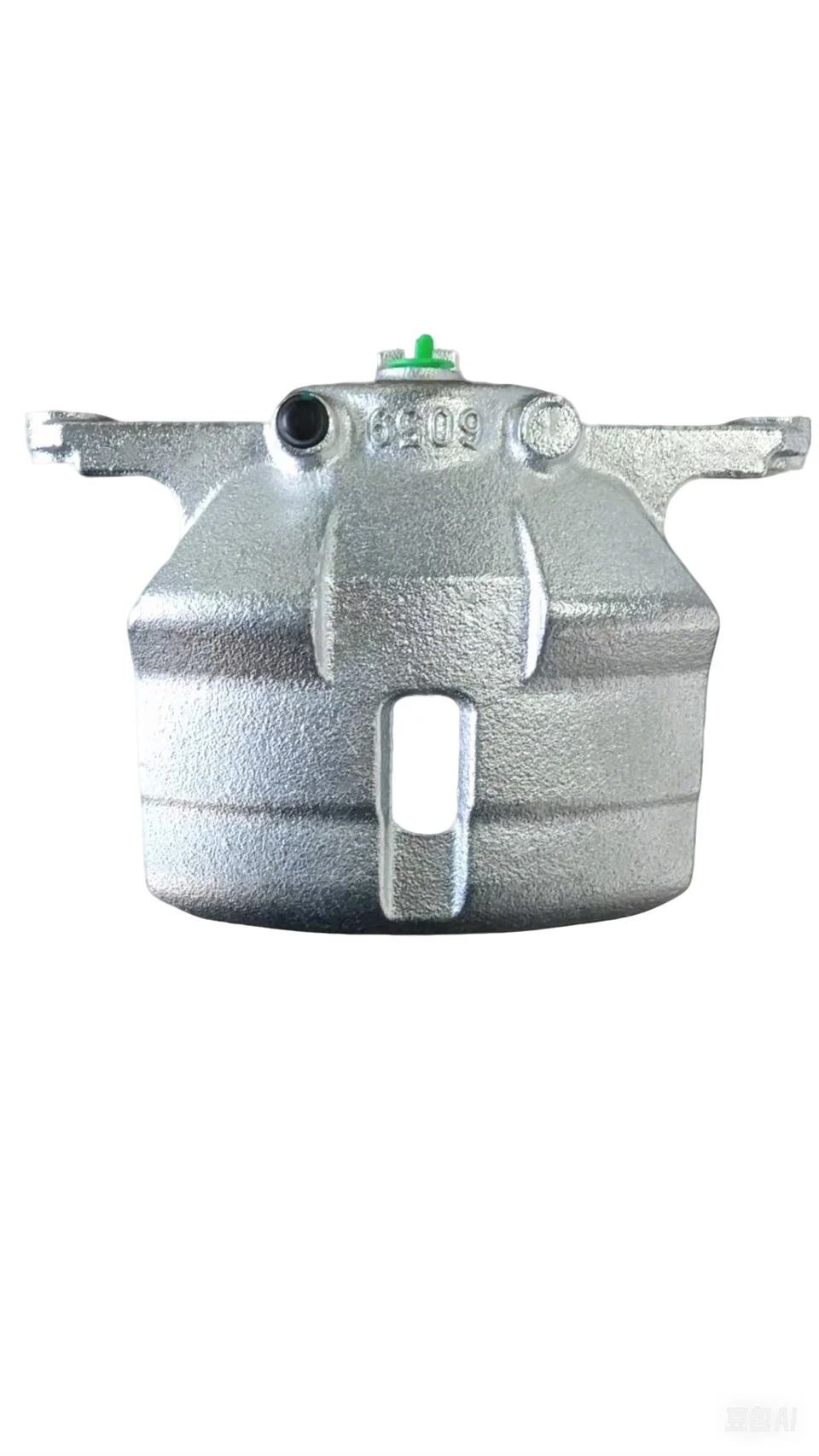
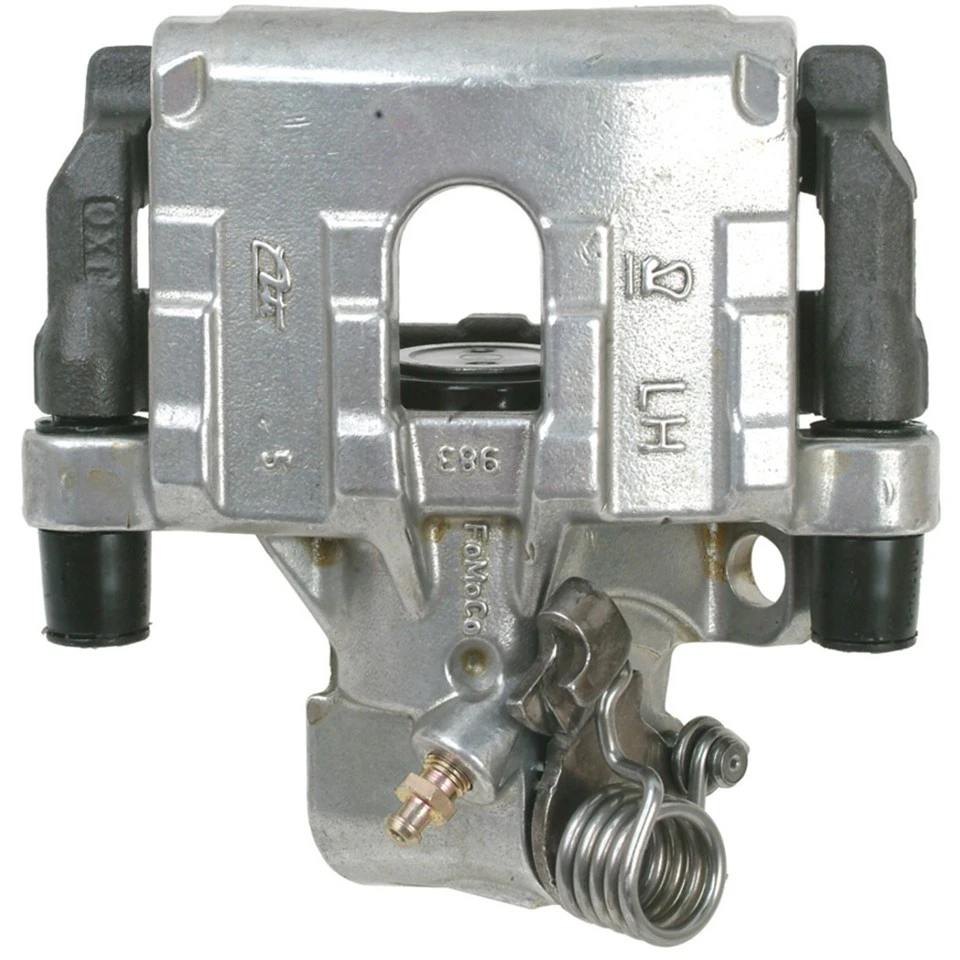
Let's start with the basics. A car wheel brake caliper is a crucial part of your vehicle's braking system. It's the component that squeezes the brake pads against the brake rotor, creating friction that slows down or stops your car. And at the heart of the brake caliper is the piston.
The piston in a brake caliper is like the muscle that does all the heavy lifting. When you press the brake pedal in your car, a series of events are set in motion. First, the brake pedal pushes on a master cylinder, which is filled with brake fluid. This pressure forces the brake fluid through a network of brake lines to the brake calipers at each wheel.
Once the brake fluid reaches the caliper, it enters a chamber where the piston is located. The brake fluid acts as a hydraulic medium, transferring the pressure from the master cylinder to the piston. As the pressure builds up in the chamber, the piston is forced outwards.
This outward movement of the piston is what causes the magic to happen. The piston presses against the brake pads, which are located on either side of the brake rotor. The brake pads then clamp down on the rotor, creating friction. This friction is what slows down the rotation of the wheels and ultimately brings your car to a stop.
Now, let's talk about the different types of brake caliper pistons. There are two main types: single-piston calipers and multi-piston calipers.
Single-piston calipers are the most common type found in everyday cars. They have one piston on one side of the caliper. When the brake fluid pressure is applied, the piston pushes the brake pad on that side against the rotor. The force of the pad against the rotor then causes the caliper to slide on its mounting pins, which in turn presses the other brake pad against the rotor from the opposite side.
Multi-piston calipers, on the other hand, have multiple pistons on both sides of the caliper. These are typically found in high-performance cars or vehicles that require more braking power. The multiple pistons work together to apply more even pressure across the brake pads, resulting in better braking performance and more consistent stopping power.
One of the key advantages of multi-piston calipers is their ability to handle higher temperatures. When you brake hard, a lot of heat is generated due to the friction between the brake pads and the rotor. Multi-piston calipers are designed to dissipate this heat more effectively, which helps to prevent brake fade. Brake fade is a phenomenon where the braking performance decreases due to overheating of the brake components.
Another important aspect of brake caliper pistons is their material and design. Most pistons are made of either cast iron, aluminum, or composite materials. Cast iron pistons are strong and durable, but they can be heavy. Aluminum pistons, on the other hand, are lighter, which helps to reduce the unsprung weight of the vehicle. This can improve the handling and fuel efficiency of the car.
Composite pistons are a newer technology that combines the best of both worlds. They are lightweight like aluminum but also have excellent heat resistance properties. This makes them a popular choice for high-performance applications.
Now, let's take a look at some of the products we offer as a car wheel brake caliper supplier. We have a wide range of high-quality brake calipers to suit different makes and models of cars. For example, our 19-B6391 High Quality Precision Automotive Calipers are designed to provide reliable and efficient braking performance. These calipers are precision-engineered to ensure a perfect fit and optimal functionality.
If you have a Suzuki, we also have the Suzuki Automotive Brake Calipers 19-B3428. These calipers are specifically designed for Suzuki vehicles, so you can be sure that they will work seamlessly with your car's braking system.
And for Mazda owners, we offer the Car Disc Brake Caliper For Mazda CCY92671X. This caliper is built to meet the high standards of Mazda vehicles, providing excellent stopping power and durability.
In conclusion, the brake caliper piston is a vital part of your car's braking system. It's responsible for converting the hydraulic pressure from the brake fluid into the mechanical force needed to stop your car. Whether you have a single-piston or multi-piston caliper, understanding how the piston works can help you appreciate the importance of proper brake maintenance.
If you're in the market for a new brake caliper or just want to learn more about our products, don't hesitate to get in touch. We're here to help you find the right brake caliper for your vehicle and ensure that your car's braking system is in top-notch condition.
References:
- Automotive Braking Systems: Principles and Maintenance, by John Doe
- The Complete Guide to Car Brakes, by Jane Smith


