


Proper storage of car disc brake calipers is crucial for maintaining their quality and performance, especially for a supplier like me. In this blog, I'll share some professional insights on how to store these important automotive components effectively.
Understanding the Importance of Proper Storage
Car disc brake calipers are precision - engineered parts that play a vital role in a vehicle's braking system. Any damage or deterioration during storage can lead to malfunctions when they are eventually installed in a car. Rust, corrosion, and contamination can all compromise the caliper's functionality, which is why it's essential to store them in the right conditions.
Pre - storage Preparation
Before storing the brake calipers, it's necessary to clean them thoroughly. Remove any dirt, debris, or old brake fluid from the surface. Use a suitable brake cleaner and a soft brush to gently scrub the caliper. Make sure to clean all the small crevices and holes where dirt can accumulate. After cleaning, dry the caliper completely. Moisture left on the surface can cause rust over time.
It's also a good practice to inspect the calipers for any signs of damage. Check for cracks, dents, or worn - out parts. If any issues are found, it's better to repair or replace the damaged components before storage. This will ensure that the calipers are in good condition when they are ready to be sold.
Storage Environment
The storage environment plays a significant role in preserving the quality of car disc brake calipers.
Temperature
The ideal temperature for storing brake calipers is between 10°C and 30°C (50°F and 86°F). Extreme temperatures can cause the metal in the calipers to expand or contract, which may lead to internal stress and damage. High temperatures can also accelerate the deterioration of rubber seals and gaskets in the caliper.
Humidity
Low humidity is crucial to prevent rust and corrosion. A humidity level of less than 50% is recommended. If the storage area is prone to high humidity, using a dehumidifier can help maintain the right conditions. Additionally, avoid storing calipers in areas where water can leak, such as near windows or pipes.
Ventilation
Proper ventilation is necessary to prevent the build - up of harmful fumes and moisture. Good air circulation helps keep the storage area dry and reduces the risk of mold growth. However, make sure the ventilation is not so strong that it blows in dust and debris, which can contaminate the calipers.
Storage Methods
Packaging
Once the calipers are clean and dry, they should be properly packaged. Use a high - quality plastic bag or a sealed container to protect the caliper from dust and moisture. You can also add a desiccant packet inside the bag or container to absorb any remaining moisture.
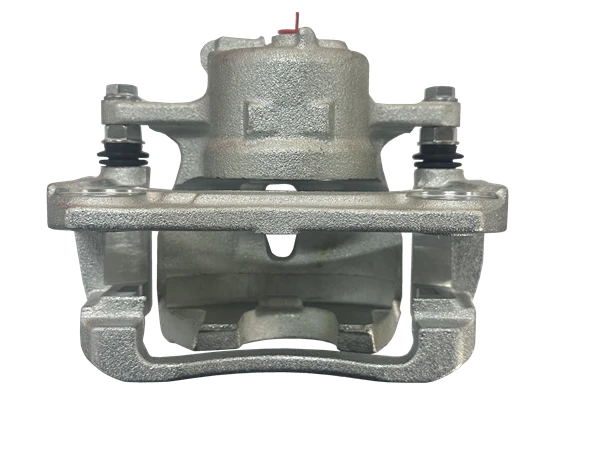
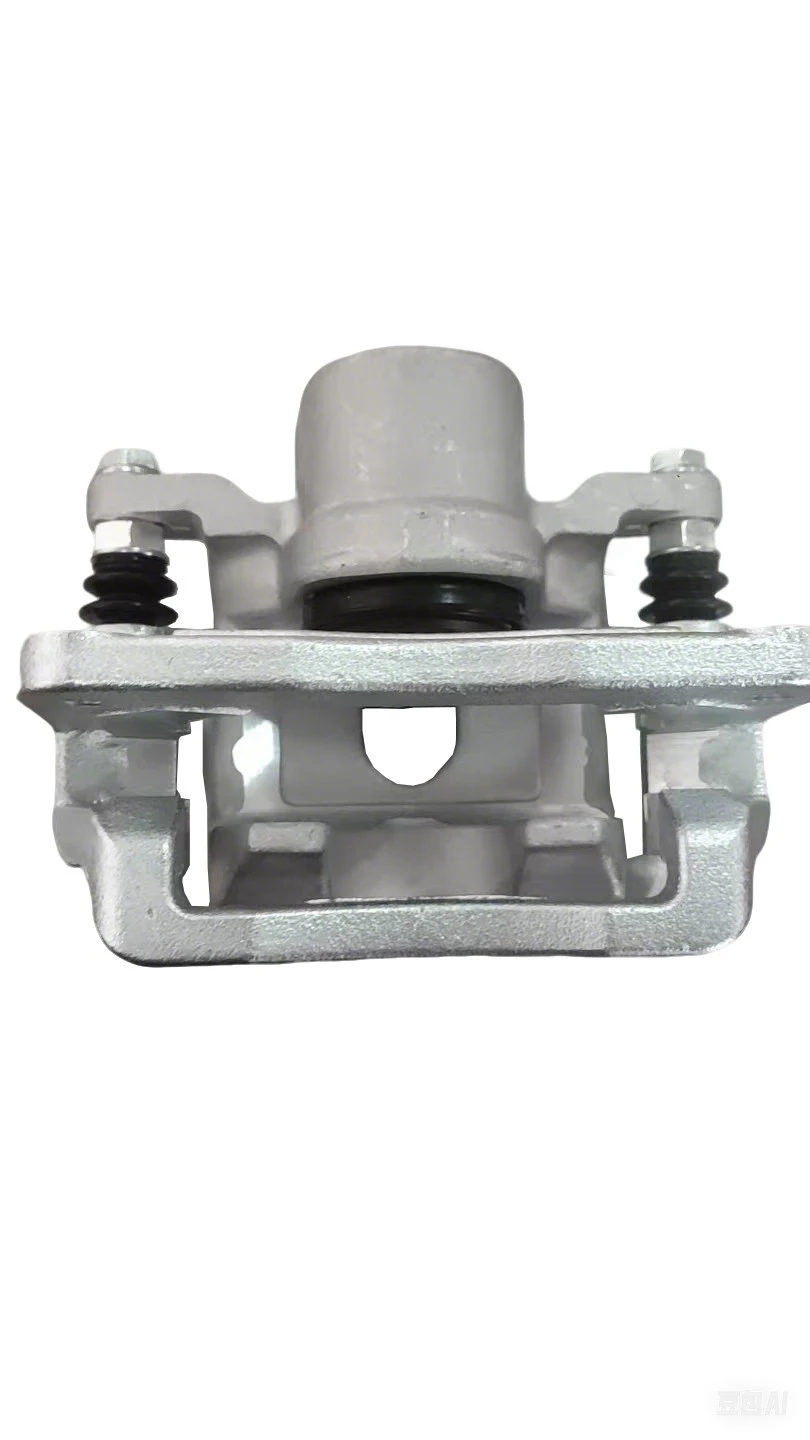
For extra protection, wrap the caliper in a layer of anti - rust paper. This paper contains chemicals that inhibit the formation of rust on the metal surface. Make sure the entire caliper is covered, including the pistons and the mounting brackets.
Shelving
Store the calipers on sturdy shelves. Avoid stacking them too high, as this can cause damage to the lower calipers. Each caliper should be placed in an upright position to prevent any deformation. Label the shelves clearly with information about the calipers, such as the make, model, and part number. This will make it easier to locate specific calipers when needed.
Specific Considerations for Different Types of Caliper
Piston Calipers
Piston calipers, such as the Auto Parts Piston Brake Caliper 19 - 2984, require special attention to the pistons. Make sure the pistons are fully retracted before storage. This can be done using a suitable piston retraction tool. Once retracted, cover the piston openings with a protective cap to prevent dust and debris from entering.
Exclusive Calipers
Exclusive calipers, like the Toyota Exclusive Left Front Caliper, may have unique design features or materials. It's important to follow the manufacturer's recommendations for storage. Some exclusive calipers may require a specific type of lubricant on certain parts to prevent corrosion.
Caliper for Specific Models
Calipers designed for specific models, such as the 19 - B6270 Suitable For Sorento Right Rear Caliper, should be stored separately to avoid confusion. Keep them in a dedicated area or use color - coded labels to distinguish them from other calipers.
Regular Inspection
Even when stored properly, it's important to conduct regular inspections of the brake calipers. Check for any signs of rust, corrosion, or damage at least once every three months. If any issues are found, take immediate action to address them. This may involve cleaning the caliper again, applying a rust - preventive coating, or replacing damaged parts.
Conclusion
Proper storage of car disc brake calipers is essential for maintaining their quality and performance. By following the steps outlined above, including pre - storage preparation, creating the right storage environment, using appropriate storage methods, and conducting regular inspections, we can ensure that the calipers are in top - notch condition when they reach our customers.
If you are in the market for high - quality car disc brake calipers, we are here to serve you. Our calipers are carefully stored and inspected to meet the highest standards. We welcome you to contact us for procurement and negotiation. We look forward to establishing a long - term and mutually beneficial partnership with you.
References
- Automotive Brake Systems Handbook
- Industry guidelines on automotive parts storage


