


Hey there, fellow car enthusiasts! I'm an insider in the car disc brake caliper supply game, and today I'm gonna walk you through how to lubricate those all-important brake caliper guide pins. This is a crucial maintenance task that can extend the life of your brakes and keep you safe on the road.
First off, let's talk about why lubricating brake caliper guide pins is such a big deal. These pins play a key role in the proper functioning of your brake calipers. They allow the caliper to move smoothly and evenly, which ensures that the brake pads make proper contact with the brake rotor. If the guide pins are dry or corroded, the caliper might not move correctly, leading to uneven brake wear, reduced braking performance, and even overheating.
So, how do you get started? Well, you'll need a few tools and supplies. You'll need a jack and jack stands to safely lift your vehicle. Safety first, folks! You'll also need a socket set to remove the caliper bolts. A wire brush can come in handy to clean off any dirt or rust from the guide pins. And of course, you'll need the right lubricant. I recommend using a high-temperature brake caliper grease. This type of grease can withstand the intense heat generated by your brakes without breaking down.
Once you've got your tools and supplies ready, it's time to get your hands dirty. Start by parking your car on a level surface and engaging the parking brake. Then, use the jack to lift the vehicle and secure it with the jack stands. Make sure the vehicle is stable before you start working.
Next, locate the brake caliper. It's usually a metal component attached to the brake rotor. Use your socket set to remove the caliper bolts. These bolts hold the caliper in place. Be careful not to lose the bolts or any other small parts.
Once the caliper bolts are removed, you can gently slide the caliper off the brake rotor. You might need to use a little bit of force, but be careful not to damage the caliper or the brake lines. With the caliper off, you'll be able to see the guide pins. These are the metal rods that the caliper slides on.
Now, take your wire brush and clean the guide pins. Scrub off any dirt, rust, or old grease. You want the guide pins to be clean and smooth. This will help the caliper move freely.
After cleaning the guide pins, it's time to apply the lubricant. Take a small amount of the high-temperature brake caliper grease and apply it to the guide pins. Make sure to cover the entire surface of the pins. You don't need to use a ton of grease, just enough to create a smooth, even coating.
Once the guide pins are lubricated, it's time to put everything back together. Slide the caliper back onto the guide pins. Make sure it's properly aligned. Then, use your socket set to reinstall the caliper bolts. Tighten the bolts to the manufacturer's specifications. You don't want them too loose or too tight.
With the caliper back in place, lower your vehicle off the jack stands using the jack. Make sure the vehicle is back on the ground safely.
Now, it's a good idea to test your brakes. Before you hit the road, pump the brake pedal a few times to build up pressure. Then, take your car for a short test drive. Pay attention to how the brakes feel. They should feel smooth and responsive. If you notice any strange noises or a decrease in braking performance, it's a good idea to double-check your work.
And there you have it! That's how you lubricate your brake caliper guide pins. It's a relatively simple process that can make a big difference in the performance and lifespan of your brakes.
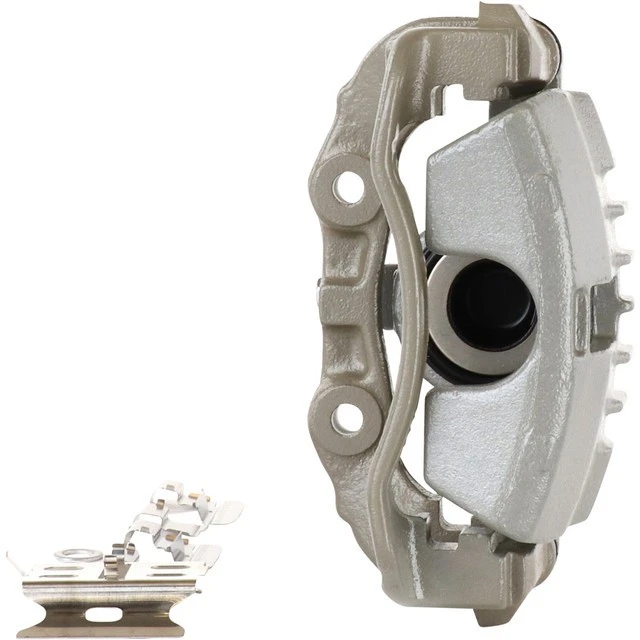
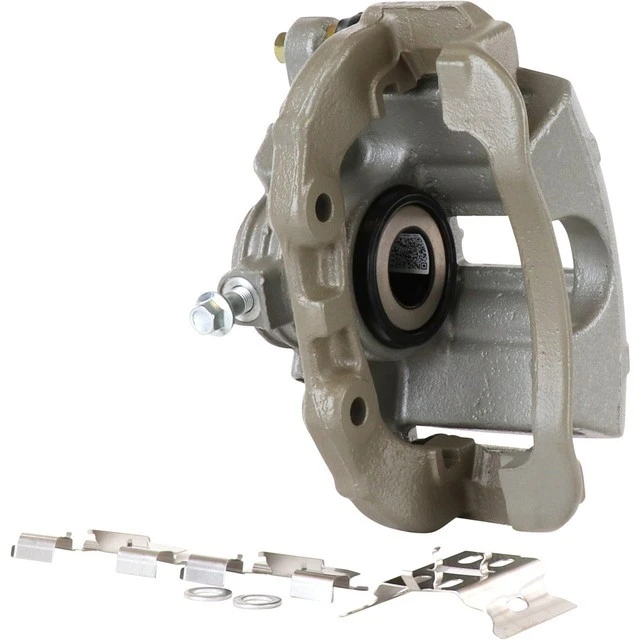
As a car disc brake caliper supplier, I've seen firsthand the importance of proper brake maintenance. That's why I'm passionate about sharing this knowledge with you. And speaking of brake calipers, we offer a wide range of high-quality brake calipers for different makes and models of cars. For example, we have the 18-B4646 Left Front Car Caliper and the 18-B4647 Right Front Car Caliper. These calipers are designed to provide reliable braking performance. And if you're looking for a parking brake caliper for your Chevrolet, we've got you covered with our Parking Brake Caliper For Chevrolet.
If you're in the market for new brake calipers or have any questions about brake maintenance, don't hesitate to reach out. We're here to help you keep your car running safely and smoothly.
References:
- "Brake Caliper Maintenance Guide" - Automotive Repair Handbook
- "High-Temperature Brake Grease: A Buyer's Guide" - Car Enthusiast Magazine


