


When it comes to vehicle maintenance, replacing a brake caliper piston is a task that requires precision and knowledge. As a supplier of brake caliper pistons for Kia, I often receive questions from customers about the process, especially whether bleeding the brakes is necessary after replacing a brake caliper piston. In this blog post, I'll delve into this topic, providing you with a comprehensive understanding of the procedure and its importance.
Understanding the Brake System
Before we discuss whether bleeding the brakes is necessary, it's essential to understand how the brake system works. The brake system in a Kia, like in most vehicles, is a hydraulic system. When you press the brake pedal, the force is transmitted through the brake fluid to the brake calipers. The calipers then squeeze the brake pads against the brake rotors, creating friction that slows down or stops the vehicle.
The brake caliper piston plays a crucial role in this process. It moves within the caliper bore, applying pressure to the brake pads. Over time, the piston can wear out, leading to reduced braking performance. Replacing the brake caliper piston is a common maintenance task that can restore the braking system's functionality.
Why Bleeding the Brakes is Important
Bleeding the brakes is the process of removing air from the brake lines. Air can enter the brake system when the brake caliper piston is replaced, either during the removal or installation process. Air in the brake lines can cause a spongy brake pedal feel, reduced braking performance, and even brake failure in extreme cases.
When air is present in the brake lines, it compresses more easily than brake fluid. This means that when you press the brake pedal, some of the force is used to compress the air instead of moving the brake caliper piston and applying pressure to the brake pads. As a result, the brakes may not engage as quickly or effectively as they should.
Bleeding the brakes ensures that the brake lines are filled with brake fluid and free of air. This restores the proper hydraulic pressure in the brake system, allowing the brakes to function correctly.
Do You Need to Bleed the Brakes After Replacing a Brake Caliper Piston for Kia?
The short answer is yes. Whenever you replace a brake caliper piston in a Kia, it's highly recommended to bleed the brakes. This is because air can enter the brake lines during the replacement process, even if you're careful.
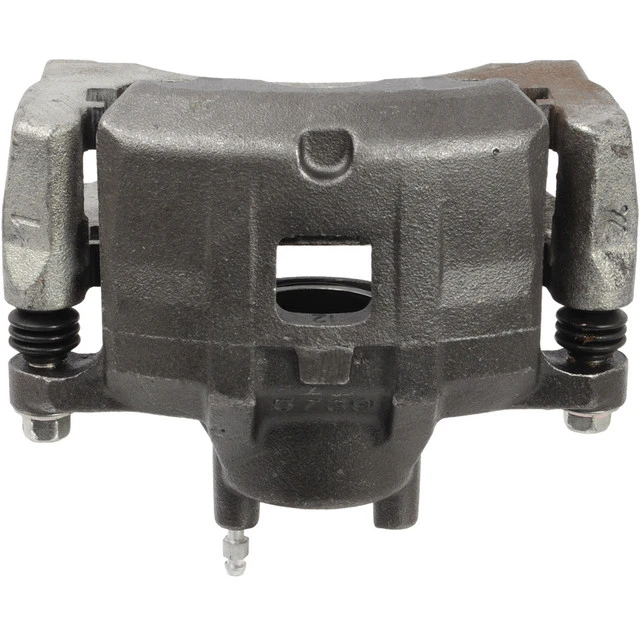
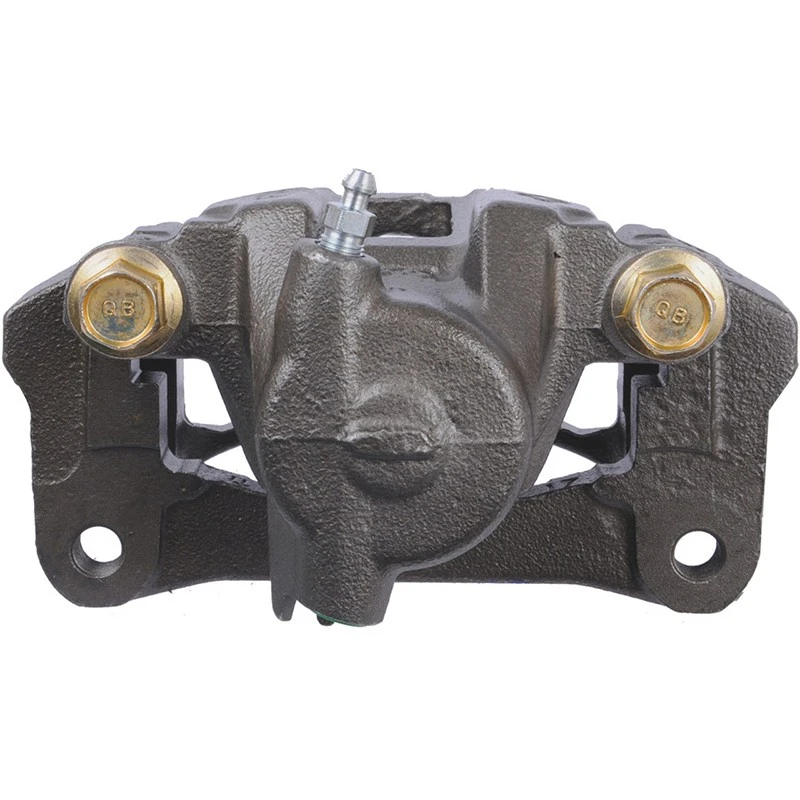
Here's a step-by-step guide on how to bleed the brakes after replacing a brake caliper piston:
- Gather the necessary tools: You'll need a brake bleeder kit, a container to collect the old brake fluid, a wrench to open the bleeder valve, and fresh brake fluid.
- Locate the bleeder valve: The bleeder valve is located on the brake caliper. It's a small screw-like valve that allows air and brake fluid to escape.
- Open the bleeder valve: Use the wrench to open the bleeder valve slightly. Have an assistant press the brake pedal slowly and hold it down.
- Release the air: As the assistant holds the brake pedal down, air and old brake fluid will flow out of the bleeder valve. Collect the fluid in the container.
- Close the bleeder valve: Once the air and old fluid have stopped flowing, close the bleeder valve tightly.
- Repeat the process: Repeat the bleeding process for each brake caliper, starting with the one farthest from the master cylinder and working your way to the closest one.
- Check the brake fluid level: After bleeding the brakes, check the brake fluid level in the master cylinder. Add fresh brake fluid if necessary.
Tips for Bleeding the Brakes
- Use the right brake fluid: Make sure to use the type of brake fluid recommended by Kia for your vehicle. Using the wrong type of brake fluid can damage the brake system.
- Keep the master cylinder filled: As you bleed the brakes, the brake fluid level in the master cylinder will drop. Make sure to keep the master cylinder filled with fresh brake fluid to prevent air from entering the system.
- Bleed the brakes slowly: Bleeding the brakes too quickly can cause air to re-enter the system. Take your time and bleed the brakes slowly and steadily.
- Check for leaks: After bleeding the brakes, check for any leaks in the brake lines or calipers. If you notice any leaks, have them repaired immediately.
Other Brake Caliper Products We Offer
In addition to brake caliper pistons for Kia, we also offer a wide range of brake calipers for other makes and models. For example, we have the Floating Brake Caliper For Lexus 19-B2736, which is designed to provide reliable braking performance for Lexus vehicles. Our Auto Brake Caliper For Mitsubishi 4605B861 is another high-quality product that can enhance the braking power of Mitsubishi cars. And if you're looking for brake calipers for Chevrolet vehicles, our 18-B5031 Chevrolet Specific Brake Calipers are a great choice.
Conclusion
Bleeding the brakes after replacing a brake caliper piston for Kia is an essential step in the maintenance process. It ensures that the brake system is free of air and functions correctly, providing you with safe and reliable braking performance. If you have any questions about replacing brake caliper pistons or bleeding the brakes, feel free to contact us. We're here to help you keep your vehicle's braking system in top condition.
If you're interested in purchasing brake caliper pistons or other brake caliper products, we invite you to contact us for more information and to discuss your specific needs. Our team of experts is ready to assist you in finding the right products for your vehicle.
References
- "Brake System Basics." AutoZone Auto Parts.
- "How to Bleed Your Brakes." Popular Mechanics.


