


As a supplier of auto brake system calipers, I've witnessed firsthand the critical role these components play in vehicle safety. Brake calipers are an integral part of the braking system, responsible for squeezing the brake pads against the rotors to slow down or stop the vehicle. However, one common issue that can compromise their performance is overheating. In this blog post, we'll explore whether overheating auto brake system calipers can lead to failure and discuss ways to prevent such problems.
Understanding the Function of Brake Calipers
Before delving into the effects of overheating, it's essential to understand how brake calipers work. When you press the brake pedal, hydraulic pressure is applied to the caliper pistons. These pistons then push the brake pads against the rotating brake rotors, creating friction that slows down the vehicle. The calipers must be able to withstand high levels of heat and pressure generated during the braking process to function effectively.
Causes of Overheating Brake Calipers
Several factors can contribute to overheating brake calipers. One of the primary causes is excessive braking, such as during heavy traffic, mountain driving, or aggressive driving styles. When you brake frequently or apply the brakes with excessive force, the calipers generate more heat than they can dissipate. This can lead to a buildup of heat, causing the calipers to overheat.
Another common cause of overheating is a malfunctioning brake system. A stuck caliper piston, for example, can prevent the brake pads from releasing properly after you release the brake pedal. This results in continuous friction between the pads and the rotors, generating excessive heat. Additionally, worn brake pads or rotors can also cause overheating as they may not provide sufficient stopping power, forcing the calipers to work harder.
Effects of Overheating on Brake Calipers
Overheating can have several detrimental effects on brake calipers. One of the most significant consequences is the degradation of the brake fluid. Brake fluid is a hydraulic fluid that transfers the force from the brake pedal to the caliper pistons. When the calipers overheat, the brake fluid can reach its boiling point, causing it to vaporize. Vaporized brake fluid cannot transmit hydraulic pressure effectively, resulting in a spongy brake pedal and reduced braking performance.
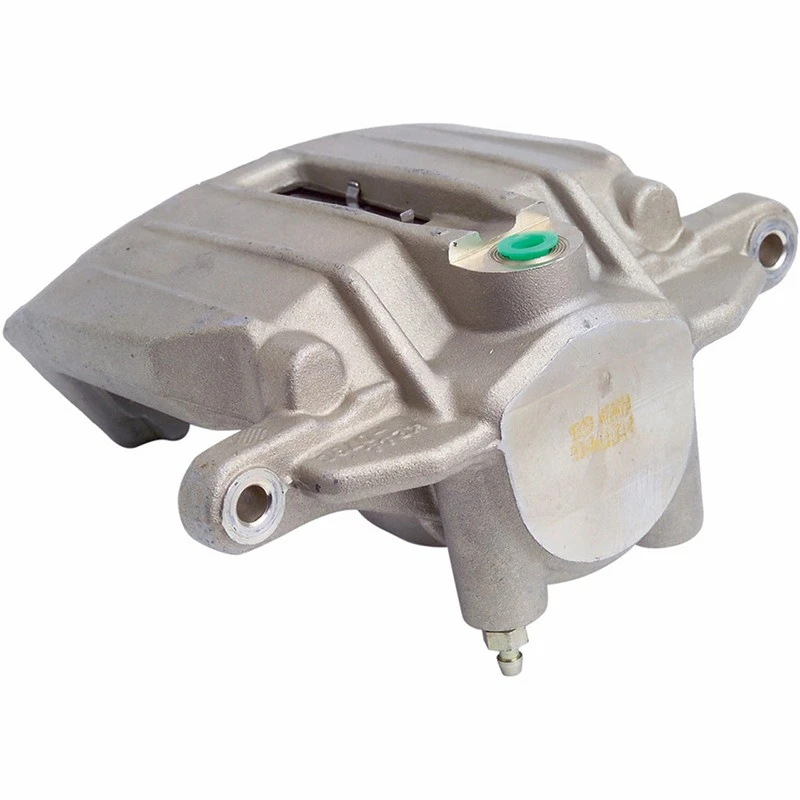

Overheating can also cause the caliper pistons to expand, leading to uneven braking and premature wear of the brake pads and rotors. The excessive heat can also damage the rubber seals and O-rings in the calipers, causing them to leak brake fluid. A brake fluid leak can further compromise the braking system's performance and pose a safety hazard.
In severe cases, overheating can cause the calipers to seize up completely. When the calipers seize, the brake pads are constantly in contact with the rotors, preventing the wheels from turning freely. This can lead to a loss of control of the vehicle and increase the risk of accidents.
Can Overheating Lead to Caliper Failure?
The short answer is yes. Overheating can cause significant damage to brake calipers, leading to failure. When the calipers overheat, the internal components can become warped, cracked, or damaged beyond repair. This can result in a complete loss of braking power, making it impossible to stop the vehicle safely.
Even if the calipers do not fail immediately, repeated overheating can significantly reduce their lifespan. The constant exposure to high temperatures can cause the metal to weaken and the rubber seals to deteriorate, increasing the likelihood of future failures.
Preventing Overheating and Caliper Failure
Fortunately, there are several steps you can take to prevent overheating and caliper failure. One of the most important things you can do is to drive responsibly and avoid excessive braking. When driving in heavy traffic or on steep hills, try to anticipate stops and slow down gradually to reduce the strain on the braking system.
Regular maintenance is also crucial for preventing overheating and caliper failure. Have your brakes inspected regularly by a qualified mechanic to ensure that the calipers, brake pads, and rotors are in good condition. Replace worn brake pads and rotors promptly to prevent them from causing excessive heat buildup.
Using high-quality brake components can also help prevent overheating and caliper failure. At our company, we offer a wide range of 19-B2911A Acura Car Specific Left Rear Caliper, Car Brake Caliper For Ford 5C3Z2B121BA, and Performance Auto Brake Caliper 18-B4726 that are designed to withstand high temperatures and provide reliable braking performance. Our calipers are made from high-quality materials and are rigorously tested to ensure they meet or exceed industry standards.
Conclusion
In conclusion, overheating auto brake system calipers can lead to failure. The excessive heat generated during the braking process can cause damage to the calipers, brake fluid, and other components of the braking system, resulting in reduced braking performance and increased safety risks. By understanding the causes of overheating and taking preventive measures, you can help ensure the reliability and safety of your vehicle's braking system.
If you're in the market for high-quality brake calipers, we invite you to contact us to discuss your specific needs. Our team of experts is here to help you find the right calipers for your vehicle and provide you with the support and guidance you need to keep your brakes in top condition.
References
- Bosch Automotive Service Solutions. (n.d.). Brake System Basics. Retrieved from [Bosch Website]
- Chilton, R. L. (2005). Chilton's Auto Repair Manual. Random House Information Group.
- Haynes, J. H. (2012). Haynes Repair Manuals. Haynes Publishing Group.


