


As a supplier of auto braking system calipers, I've witnessed firsthand the critical role these components play in vehicle safety and performance. One question that often arises among vehicle owners and mechanics alike is whether misaligned auto braking system calipers can cause problems. The short answer is a resounding yes, and in this blog, I'll delve into the details of why misaligned calipers are a serious concern and how they can impact your vehicle.
Understanding the Function of Auto Braking System Calipers
Before we discuss the problems caused by misaligned calipers, it's essential to understand their function. Auto braking system calipers are a key part of the disc brake system, which is standard in most modern vehicles. When you press the brake pedal, hydraulic pressure is applied to the caliper, which in turn squeezes the brake pads against the brake rotor. This friction between the pads and the rotor slows down the vehicle and brings it to a stop.
The caliper must be precisely aligned with the brake rotor to ensure even pressure distribution across the brake pads. This alignment allows for consistent and efficient braking performance. Any deviation from the proper alignment can lead to a host of issues.
Problems Caused by Misaligned Calipers
Uneven Brake Pad Wear
One of the most common problems caused by misaligned calipers is uneven brake pad wear. When the caliper is not properly aligned, it may apply more pressure on one side of the brake pad than the other. This uneven pressure causes the brake pads to wear unevenly, with one side wearing down faster than the other. 19-B1556 Auto Parts Parking Brake Caliper is designed to provide proper alignment and even pressure distribution, preventing uneven wear.
Uneven brake pad wear not only reduces the lifespan of the brake pads but also compromises the braking performance of the vehicle. As the brake pads wear unevenly, the braking force may become unbalanced, leading to a pulling sensation when you apply the brakes. This pulling can make it difficult to control the vehicle, especially at high speeds or in emergency situations.
Reduced Braking Efficiency
Misaligned calipers can also reduce the overall braking efficiency of the vehicle. When the caliper is not aligned correctly, it may not be able to apply the full force of the hydraulic pressure to the brake pads. This results in less friction between the brake pads and the rotor, which means the vehicle takes longer to stop.
Reduced braking efficiency is a serious safety concern, as it increases the stopping distance of the vehicle. In emergency situations, even a few extra feet of stopping distance can make the difference between a safe stop and a collision. 19-B2929 Honda Odyssey Car Specific Calipers are engineered to provide optimal alignment and maximum braking efficiency for Honda Odyssey vehicles.
Overheating and Brake Fade
Another problem caused by misaligned calipers is overheating. When the caliper is not aligned properly, it may cause the brake pads to rub against the rotor constantly, even when the brakes are not being applied. This continuous friction generates excessive heat, which can lead to brake fade.
Brake fade occurs when the brake pads and rotors become too hot, causing a decrease in their friction coefficient. As a result, the braking force is reduced, and the vehicle becomes more difficult to stop. Overheating can also damage the brake pads and rotors, leading to costly repairs. 18-B5054, 18-B5055 Fit Chrysler Group Models -Ram 1500 2006-2018, Dodge Dakota 2005-2011, Dodge Durango 2004-2010, Chrysler Aspen 2007-2009 are designed to dissipate heat effectively, reducing the risk of overheating and brake fade.
Noise and Vibration
Misaligned calipers can also cause noise and vibration when you apply the brakes. The uneven pressure distribution and friction between the brake pads and the rotor can create a squealing, grinding, or rattling noise. This noise can be annoying and may indicate a serious problem with the braking system.
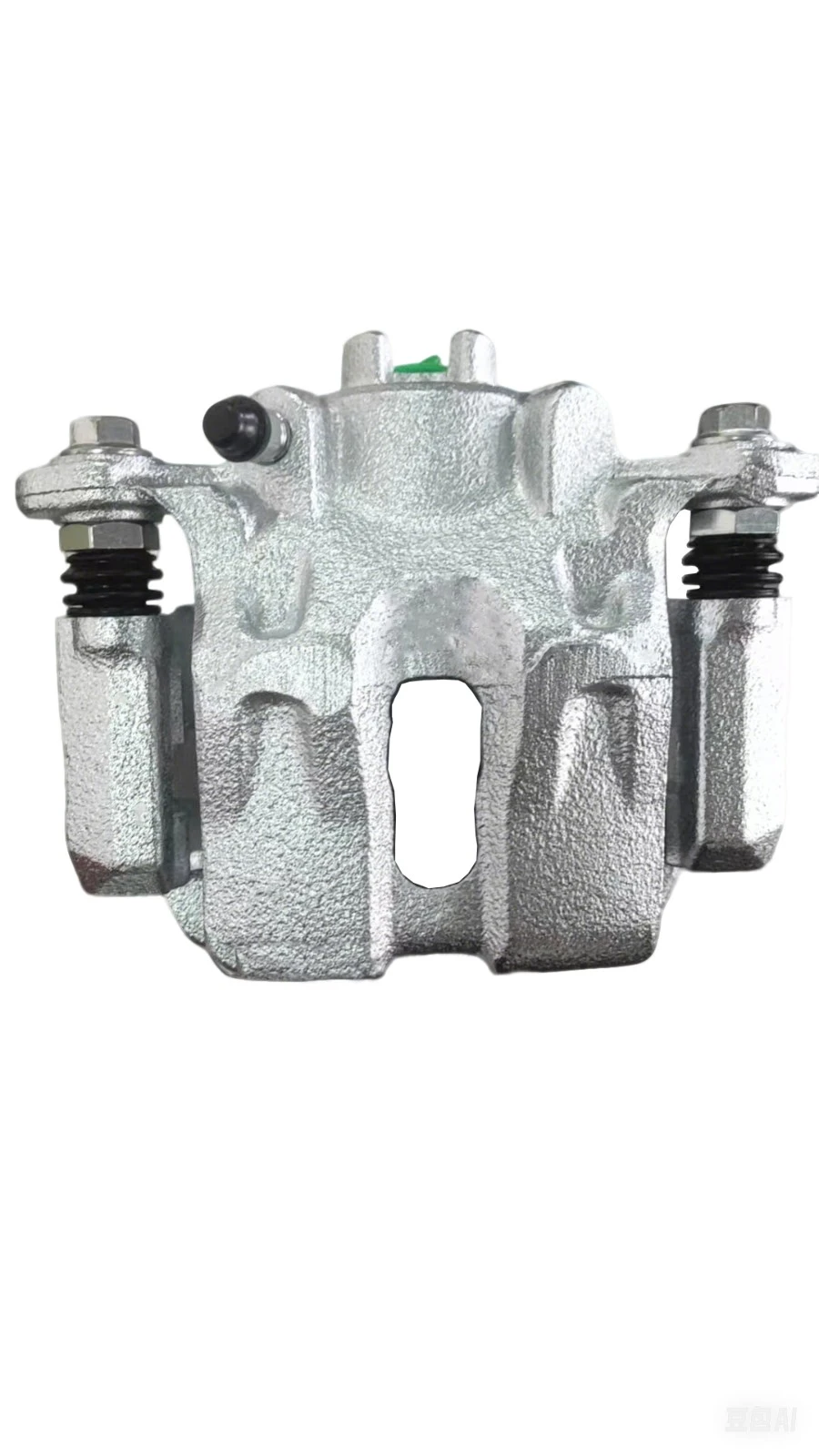

In addition to noise, misaligned calipers can also cause vibration in the steering wheel or brake pedal. This vibration is often felt when you apply the brakes and can be a sign of uneven brake pad wear or other issues with the caliper.
Causes of Caliper Misalignment
There are several factors that can cause auto braking system calipers to become misaligned. Some of the most common causes include:
- Installation Errors: Improper installation of the caliper is one of the most common causes of misalignment. If the caliper is not installed correctly, it may not be aligned properly with the brake rotor.
- Worn or Damaged Mounting Hardware: The caliper is held in place by mounting hardware, such as bolts and brackets. Over time, this hardware can become worn or damaged, causing the caliper to shift out of alignment.
- Accidents or Collisions: A minor fender bender or a more serious collision can cause the caliper to become misaligned. Even a small impact can damage the mounting hardware or the caliper itself, leading to misalignment.
- Corrosion and Rust: Exposure to moisture and road salt can cause the caliper and its mounting hardware to corrode and rust. This corrosion can weaken the mounting hardware and cause the caliper to shift out of alignment.
Preventing Caliper Misalignment
To prevent caliper misalignment, it's important to have your vehicle's braking system inspected regularly by a qualified mechanic. A professional mechanic can check the alignment of the calipers and ensure that they are functioning properly. They can also replace any worn or damaged mounting hardware and make any necessary adjustments to the caliper.
When replacing the caliper or brake pads, it's important to use high-quality parts that are designed for your specific vehicle make and model. 19-B1556 Auto Parts Parking Brake Caliper, 19-B2929 Honda Odyssey Car Specific Calipers, and 18-B5054, 18-B5055 Fit Chrysler Group Models -Ram 1500 2006-2018, Dodge Dakota 2005-2011, Dodge Durango 2004-2010, Chrysler Aspen 2007-2009 are all high-quality calipers that are designed to provide proper alignment and optimal performance.
Conclusion
In conclusion, misaligned auto braking system calipers can cause a variety of problems, including uneven brake pad wear, reduced braking efficiency, overheating, noise, and vibration. These problems not only compromise the safety and performance of your vehicle but also increase the risk of costly repairs.
As a supplier of auto braking system calipers, I understand the importance of providing high-quality products that are designed to prevent caliper misalignment and ensure optimal braking performance. If you're experiencing any issues with your vehicle's braking system or are in need of a new caliper, I encourage you to contact me to discuss your options. I'm here to help you find the right caliper for your vehicle and ensure that your braking system is functioning properly.
References
- Haynes, John. "Haynes Repair Manuals." Various editions.
- Chilton, John. "Chilton's Auto Repair Manuals." Various editions.


