


Can a hanging car brake caliper be caused by air in the brake lines?
As a dedicated supplier of hanging car brake calipers, I've encountered numerous inquiries and concerns from customers regarding brake system malfunctions. One frequently asked question is whether air in the brake lines can cause a hanging car brake caliper. In this blog post, I'll delve into the science behind this issue, exploring the relationship between air in the brake lines and a hanging brake caliper.
Understanding the Brake System Basics
Before we discuss the potential link between air in the brake lines and a hanging brake caliper, let's briefly review how a typical car brake system works. When you press the brake pedal, it activates a piston in the master cylinder. This piston forces brake fluid through a series of brake lines to the brake calipers located at each wheel. The brake caliper then squeezes the brake pads against the brake rotor, creating friction that slows down or stops the vehicle.
The brake fluid plays a crucial role in this process. It is an incompressible liquid that transfers the force from the master cylinder to the brake calipers. Any disruption in the flow of brake fluid can compromise the effectiveness of the braking system.
The Impact of Air in the Brake Lines
Air is compressible, unlike brake fluid. When air enters the brake lines, it can create a spongy feeling in the brake pedal. Instead of transmitting the force directly to the brake calipers, the air compresses, reducing the amount of pressure applied to the brake pads. This can lead to a variety of braking issues, including reduced braking performance, longer stopping distances, and in some cases, a hanging brake caliper.
A hanging brake caliper refers to a situation where the caliper fails to release properly after the brake pedal is released. This can cause the brake pads to remain in contact with the brake rotor, resulting in excessive heat, premature wear of the brake components, and increased fuel consumption.
How Air Enters the Brake Lines
There are several ways air can enter the brake lines. One common cause is a leak in the brake system. If there is a crack or a loose connection in the brake lines, air can be drawn into the system. Another cause is improper bleeding of the brake system. When the brake system is serviced or repaired, it is essential to bleed the lines to remove any air bubbles. If this process is not done correctly, air can remain in the lines.
Additionally, over time, brake fluid can absorb moisture from the air. This moisture can cause corrosion in the brake lines, leading to leaks and the entry of air into the system.
The Relationship Between Air and a Hanging Brake Caliper
So, can air in the brake lines cause a hanging brake caliper? The answer is yes, but it's not the only possible cause. When air is present in the brake lines, it can disrupt the normal operation of the brake caliper. The compressibility of air can prevent the caliper from releasing fully, causing it to hang.
However, a hanging brake caliper can also be caused by other factors, such as a stuck caliper piston, a damaged caliper slide pin, or a problem with the brake hose. It's important to diagnose the root cause of the issue accurately to ensure proper repair.
Diagnosing and Fixing the Problem
If you suspect that air in the brake lines is causing a hanging brake caliper, there are several steps you can take to diagnose and fix the problem.
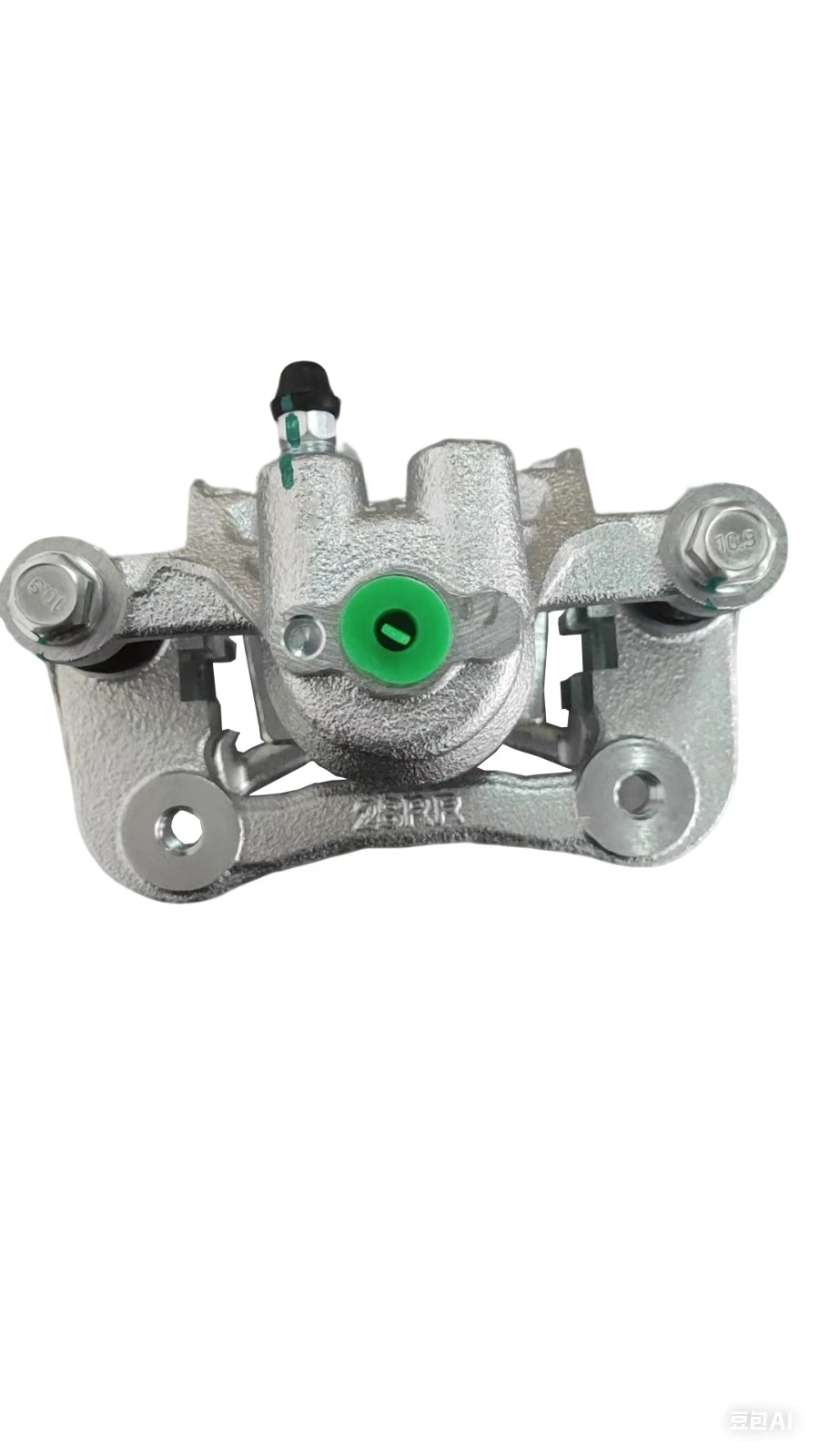
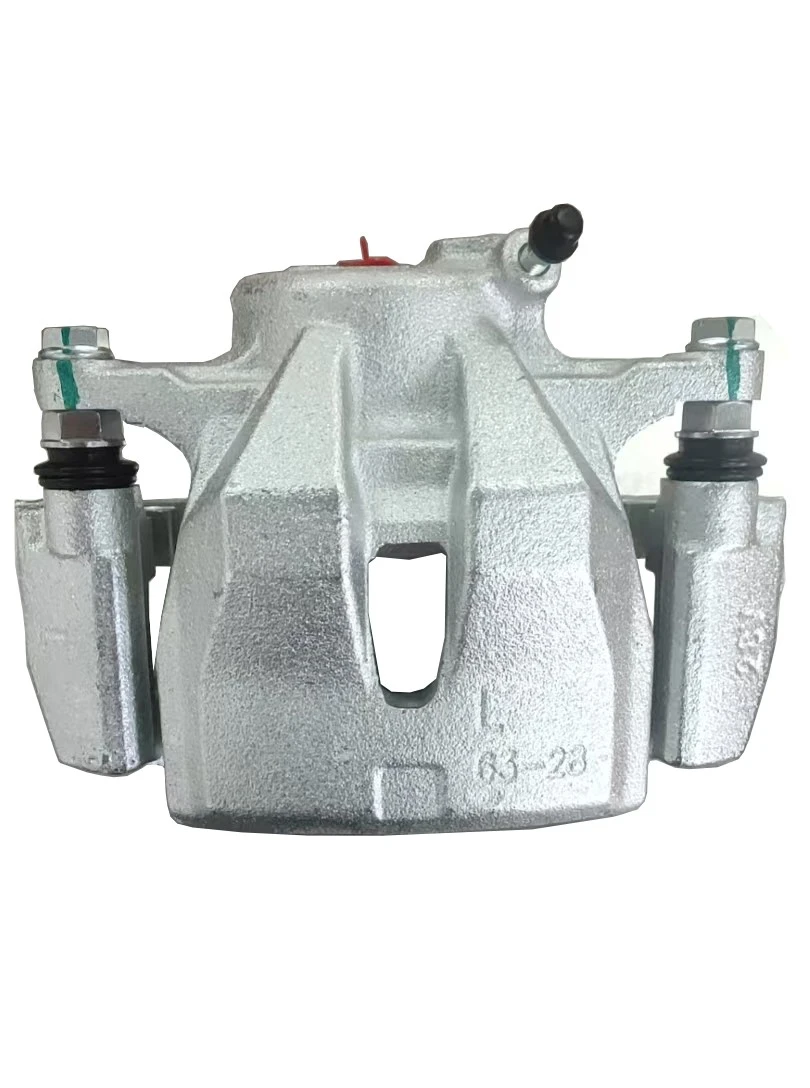
First, check the brake fluid level in the master cylinder. If the level is low, it could indicate a leak in the system. Inspect the brake lines for any signs of damage or leaks. Look for wet spots, rust, or loose connections.
Next, bleed the brake system. This involves removing the air from the brake lines by opening the bleeder valves and allowing the brake fluid to flow out. It's a relatively simple process, but it's important to follow the manufacturer's instructions carefully. You may need to enlist the help of a second person to press the brake pedal while you open and close the bleeder valves.
If bleeding the brake system doesn't solve the problem, it's possible that there is a more serious issue with the brake caliper itself. In this case, you may need to replace the caliper. As a supplier of hanging car brake calipers, I offer a wide range of high-quality calipers to suit various makes and models of vehicles. For example, we have the Toyota Right Front Brake Caliper 19-B3195, the 18-B4646 Left Front Car Caliper, and the 19-B6391 High Quality Precision Automotive Calipers.
Preventing Air in the Brake Lines
To prevent air from entering the brake lines, it's important to maintain the brake system regularly. Check the brake fluid level regularly and top it up if necessary. Replace the brake fluid according to the manufacturer's recommendations. This will help to prevent moisture from accumulating in the system and causing corrosion.
When servicing the brake system, make sure to follow the proper bleeding procedures. Use a high-quality brake fluid that is compatible with your vehicle's braking system.
Conclusion
In conclusion, air in the brake lines can indeed cause a hanging car brake caliper. The compressibility of air can disrupt the normal operation of the brake caliper, leading to a variety of braking issues. However, it's important to note that a hanging brake caliper can also be caused by other factors.
If you suspect that air in the brake lines is causing a problem with your brake caliper, it's important to diagnose and fix the issue as soon as possible. Regular maintenance of the brake system can help to prevent air from entering the lines and ensure the safe and reliable operation of your vehicle.
As a supplier of hanging car brake calipers, I'm committed to providing high-quality products and excellent customer service. If you have any questions or need assistance with your brake system, please don't hesitate to contact me. I'm here to help you find the right solution for your needs.
References
- Haynes, J. (20XX). Haynes Manual: [Vehicle Model]. Haynes Publishing.
- Chilton, C. (20XX). Chilton's Automotive Repair Manual: [Vehicle Model]. Chilton Book Company.
- Bosch Automotive Handbook. (20XX). Robert Bosch GmbH.


