


As a trusted brake caliper supplier, I've seen firsthand the critical role that brake calipers play in a vehicle's safety. One of the most common questions I encounter is whether a broken brake caliper seal can cause brake fluid loss. The short answer is yes, and in this blog post, I'll delve into the details of why this happens, the signs to look for, and how to address the issue.
Understanding Brake Calipers and Their Seals
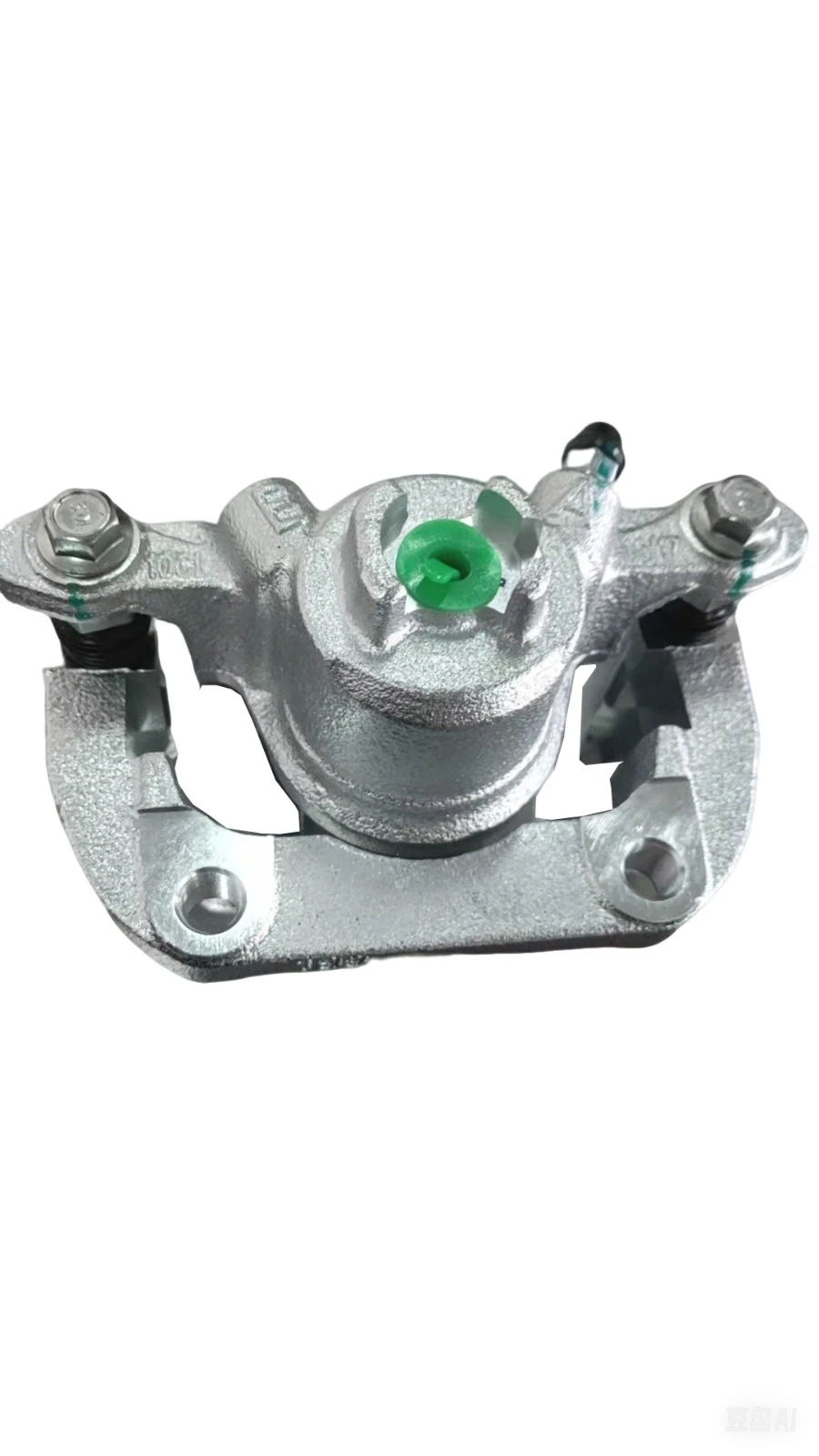
To understand how a broken brake caliper seal can lead to brake fluid loss, it's essential to first grasp the basic function of a brake caliper. When you press the brake pedal, hydraulic pressure is created in the brake system, which forces brake fluid into the brake calipers. The calipers then use this pressure to squeeze the brake pads against the brake rotors, creating friction and slowing down the vehicle.
Brake calipers are equipped with seals that serve several important purposes. These seals not only keep the brake fluid inside the caliper but also prevent contaminants such as dirt, water, and dust from entering the system. They are designed to withstand high pressures and temperature variations, ensuring the proper functioning of the brake caliper over time.
The Link Between Broken Seals and Brake Fluid Loss
Over time, the brake caliper seals can wear out or become damaged due to various factors. Exposure to heat, moisture, and road debris can cause the seals to deteriorate, leading to cracks or tears. Additionally, normal wear and tear from the constant movement of the caliper pistons can also contribute to seal failure.
When a brake caliper seal breaks, it creates a pathway for brake fluid to leak out of the caliper. The high-pressure environment inside the brake system exacerbates this problem, as the fluid is constantly being forced against the damaged seal. As a result, even a small crack in the seal can lead to a significant loss of brake fluid over time.
Signs of a Broken Brake Caliper Seal and Brake Fluid Loss
Detecting a broken brake caliper seal and brake fluid loss early is crucial for maintaining the safety of your vehicle. Here are some common signs to watch out for:
1. Low Brake Fluid Level
One of the most obvious signs of brake fluid loss is a low brake fluid level in the master cylinder reservoir. If you notice that the brake fluid level is consistently dropping, it could be an indication of a leak in the brake system, including a broken brake caliper seal.

2. Brake Fluid Leaks
Visible brake fluid leaks are another telltale sign of a problem. You may notice a puddle of clear or amber-colored fluid under your vehicle, particularly near the wheels. Brake fluid has a distinct smell and can be slippery, so it's important to take caution if you suspect a leak.
3. Spongy or Soft Brake Pedal
A broken brake caliper seal can cause air to enter the brake lines, leading to a spongy or soft brake pedal feel. If you notice that your brake pedal requires more pressure to engage or feels mushy, it could be a sign of brake fluid loss and a compromised brake system.
4. Uneven Brake Pad Wear
When a brake caliper seal is broken, it can cause the caliper to apply uneven pressure to the brake pads. This can result in uneven brake pad wear, with one pad wearing down more quickly than the others. If you notice uneven wear on your brake pads during a routine inspection, it's important to have the brake system checked for leaks.
Impact on Vehicle Safety
Brake fluid loss due to a broken brake caliper seal can have serious implications for vehicle safety. Without an adequate amount of brake fluid, the hydraulic pressure in the brake system will be reduced, making it more difficult to stop the vehicle effectively. This can increase the stopping distance and pose a significant risk to you and other road users.
In addition to the decreased braking performance, a broken brake caliper seal can also lead to other problems. The lack of proper lubrication and sealing can cause the caliper pistons to stick or corrode, further compromising the functionality of the brake system.
Addressing the Issue
If you suspect that a broken brake caliper seal is causing brake fluid loss in your vehicle, it's important to take action immediately. Here are the steps you can take to address the issue:
1. Inspect the Brake System
Start by visually inspecting the brake calipers and brake lines for signs of leaks. Look for wet spots, drips, or signs of brake fluid on the calipers, hoses, and wheels. If you're not sure what to look for, it's best to have a professional mechanic perform a thorough inspection.
2. Replace the Broken Seal
If a broken brake caliper seal is identified, it will need to be replaced. This typically involves removing the caliper from the vehicle, disassembling it, and replacing the seal. It's important to use high-quality replacement seals to ensure the long-term reliability of the brake system.
3. Bleed the Brake System
After replacing the seal, the brake system will need to be bled to remove any air that may have entered the lines. This is a critical step to ensure that the brake system operates properly and that the brake pedal feels firm.
4. Check and Refill the Brake Fluid
Once the brake system has been bled, check the brake fluid level in the master cylinder reservoir and refill it to the appropriate level. Use the type of brake fluid recommended by the vehicle manufacturer.
Our Brake Caliper Solutions
At our company, we understand the importance of reliable brake calipers for vehicle safety. That's why we offer a wide range of high-quality brake calipers to meet the needs of different vehicles and applications.
For example, our E0020L,E0020R Rear Brake Caliper with Bracket is designed specifically for Mercedes vehicles. It comes with a sturdy bracket and high-performance seals to ensure long-lasting durability and reliable braking performance.
If you own a Honda Odyssey, our 19 - B2929 Honda Odyssey Car Specific Calipers are the perfect choice. These calipers are engineered to fit your vehicle precisely and provide excellent stopping power.
We also offer Rear Brake Calipers with Brackets 19 - B6390, 19 - B6391 for a variety of vehicles. These calipers are manufactured to the highest standards of quality and precision, ensuring optimal performance and safety.
Contact Us for Procurement
If you're in the market for high-quality brake calipers, we'd love to hear from you. Our team of experts is ready to assist you in finding the right brake calipers for your specific needs. Whether you're a mechanic, a car enthusiast, or a fleet manager, we can provide you with the products and support you need.
Don't compromise on safety when it comes to your vehicle's braking system. Contact us today to start the procurement process and ensure that your vehicles are equipped with the best brake calipers on the market.
References
- Haynes, J. (20XX). Haynes Automotive Repair Manual.
- Chilton, C. L. (20XX). Chilton's Car Repair Manual.


