


Are there any brake pads that produce less dust?
Hey there, car enthusiasts and fellow drivers! I'm a supplier of car parts brake pads, and I get this question a lot: Are there any brake pads that produce less dust? Well, let's dive right into it.
First off, let's talk about why brake dust is even a thing. When you hit the brakes, the brake pads press against the rotors to slow down or stop your car. This friction generates heat and causes tiny particles of the brake pad material to wear off. That's what we see as brake dust. It not only makes your wheels look dirty but can also potentially cause damage over time if not cleaned regularly.
Now, the good news is that there are definitely brake pads out there that produce less dust. Different types of brake pads have different dust - producing characteristics.
Types of Brake Pads and Their Dust Output
1. Organic Brake Pads
These are made from a mix of materials like rubber, glass, and resin. Organic brake pads are known for being quiet and gentle on the rotors. They usually produce a moderate amount of dust, which is often a dark, fine powder. However, compared to some other types, they're not the worst when it comes to dust production. The downside is that they tend to wear out faster, so you might need to replace them more frequently.
2. Semi - Metallic Brake Pads
Semi - metallic brake pads contain a significant amount of metal, such as steel or copper. They're great for high - performance applications because they can handle a lot of heat. But here's the catch: they produce a relatively large amount of dust. The dust is often coarser and can be more difficult to clean off your wheels. If you're looking for low - dust brake pads, semi - metallic ones might not be your best bet.
3. Ceramic Brake Pads
This is where the magic happens if you're trying to avoid a lot of brake dust. Ceramic brake pads are made from ceramic fibers and other non - metallic materials. They produce very little dust, and the dust they do produce is usually a light color, like gray or white. This makes it less noticeable on your wheels and easier to clean. Ceramic brake pads also offer smooth braking performance, are quiet, and have a long lifespan. They're a bit more expensive than organic or semi - metallic brake pads, but the benefits in terms of reduced dust and long - term performance make them a popular choice.
Our Product Offerings
As a car parts brake pads supplier, we offer a range of brake pads to suit different needs. We understand that not everyone wants to deal with a ton of brake dust, so we've made sure to stock up on ceramic brake pads.
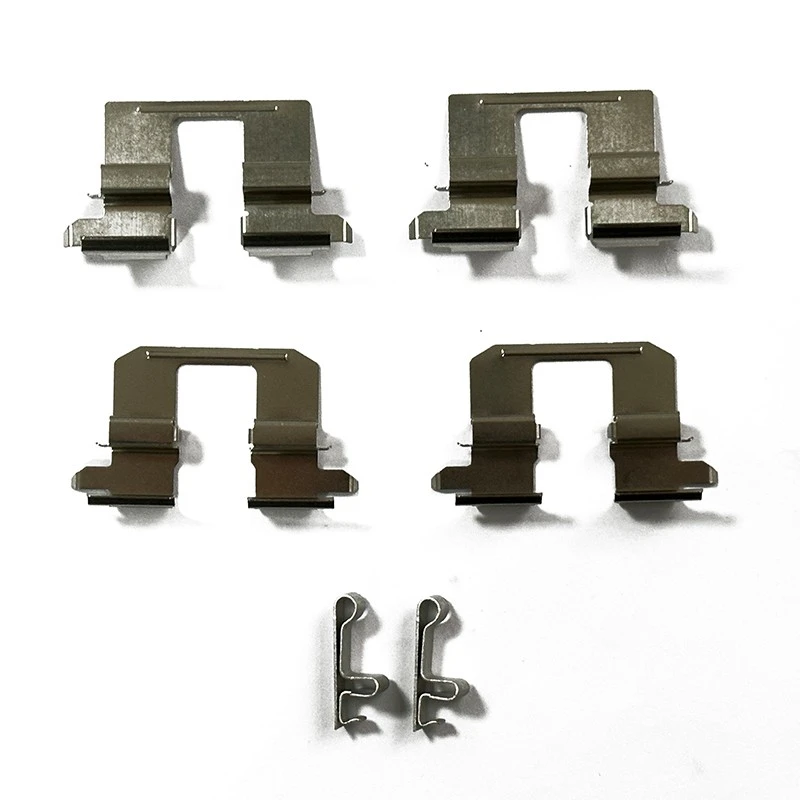
But that's not all. We also have some great accessories that can enhance the performance of your brake pads. For example, check out our Auto Brake Pad Fixing Gasket Clip. This little clip helps keep your brake pads in place, ensuring a more stable and efficient braking system.
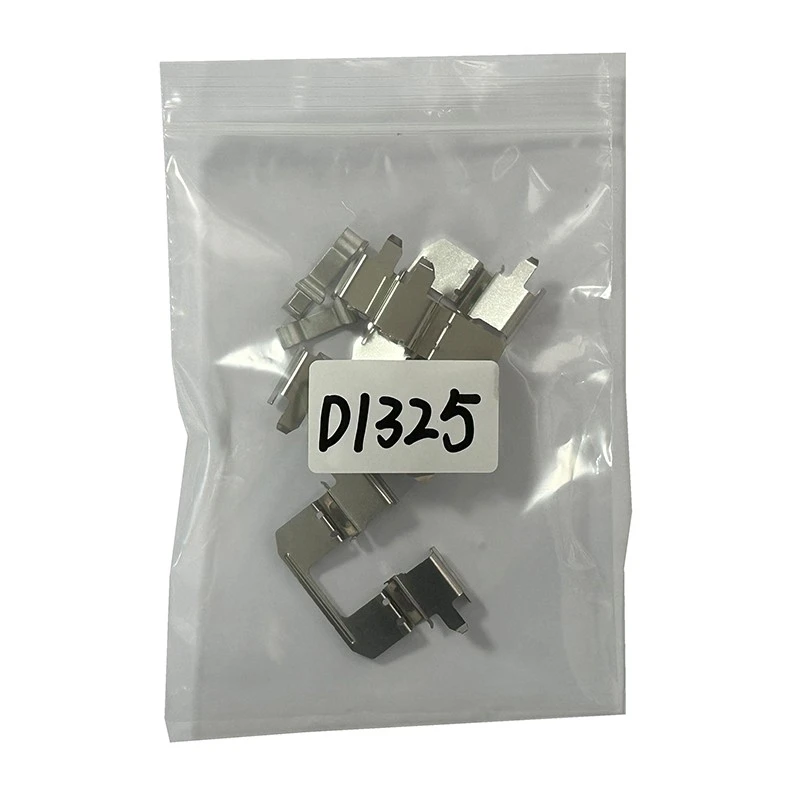
If you own a Toyota, we've got the Brake Pad Repair Kit Model D1325 For Toyota Models. It's designed to fit perfectly and provide reliable braking performance for your Toyota vehicle.
And for Ford owners, our Auto Brake Pad Clip for Ford is a must - have. It helps your brake pads work at their best and can contribute to a smoother braking experience.
Factors to Consider When Choosing Low - Dust Brake Pads
1. Driving Style
If you're an aggressive driver who likes to slam on the brakes often, you might need brake pads that can handle high - stress situations. Ceramic brake pads are a good option as they can handle heat well, even with hard braking. But if you have a more gentle driving style, organic brake pads might be sufficient and still produce a reasonable amount of dust.
2. Vehicle Type
The type of vehicle you drive also matters. Larger vehicles or those used for towing might require more heavy - duty brake pads. Semi - metallic brake pads could be suitable in some cases, but if you don't want a lot of dust, you might need to look into high - performance ceramic brake pads designed for larger vehicles.
3. Budget
As I mentioned earlier, ceramic brake pads are more expensive than organic or semi - metallic ones. You need to consider your budget when making a decision. If you're on a tight budget, organic brake pads might be a good starting point, but if you can afford it, ceramic brake pads are definitely worth the investment in the long run.
How to Maintain Low - Dust Brake Pads
Even if you choose low - dust brake pads, it's still important to take good care of them. Here are some tips:
- Regular Inspections: Check your brake pads regularly for wear and tear. You can do a visual inspection or have a professional mechanic take a look.
- Clean Your Wheels: Even though low - dust brake pads produce less dust, it's still a good idea to clean your wheels regularly. This helps prevent any build - up that could potentially damage your wheels over time.
- Avoid Overheating: Try to avoid excessive hard braking, especially in stop - and - go traffic. Overheating can cause the brake pads to wear out faster and might even reduce their performance.
Conclusion
So, to answer the question, yes, there are definitely brake pads that produce less dust. Ceramic brake pads are the top choice if you want to keep your wheels clean and have a smooth braking experience. At our company, we're committed to providing high - quality brake pads and accessories to meet your needs.
If you're interested in purchasing brake pads or any of our other products, we'd love to have a chat with you. Whether you're a car owner looking to upgrade your brakes or a mechanic in need of reliable parts, we're here to help. Reach out to us for more information and let's start a conversation about finding the perfect brake pads for your vehicle.
References
- "Brake Pad Basics" - Car and Driver Magazine
- "The Science of Braking" - Automotive Engineering Journal
- "Choosing the Right Brake Pads" - Popular Mechanics


